
Why 'Quiet Luxury' Outlasted Dozens of Louder Trends

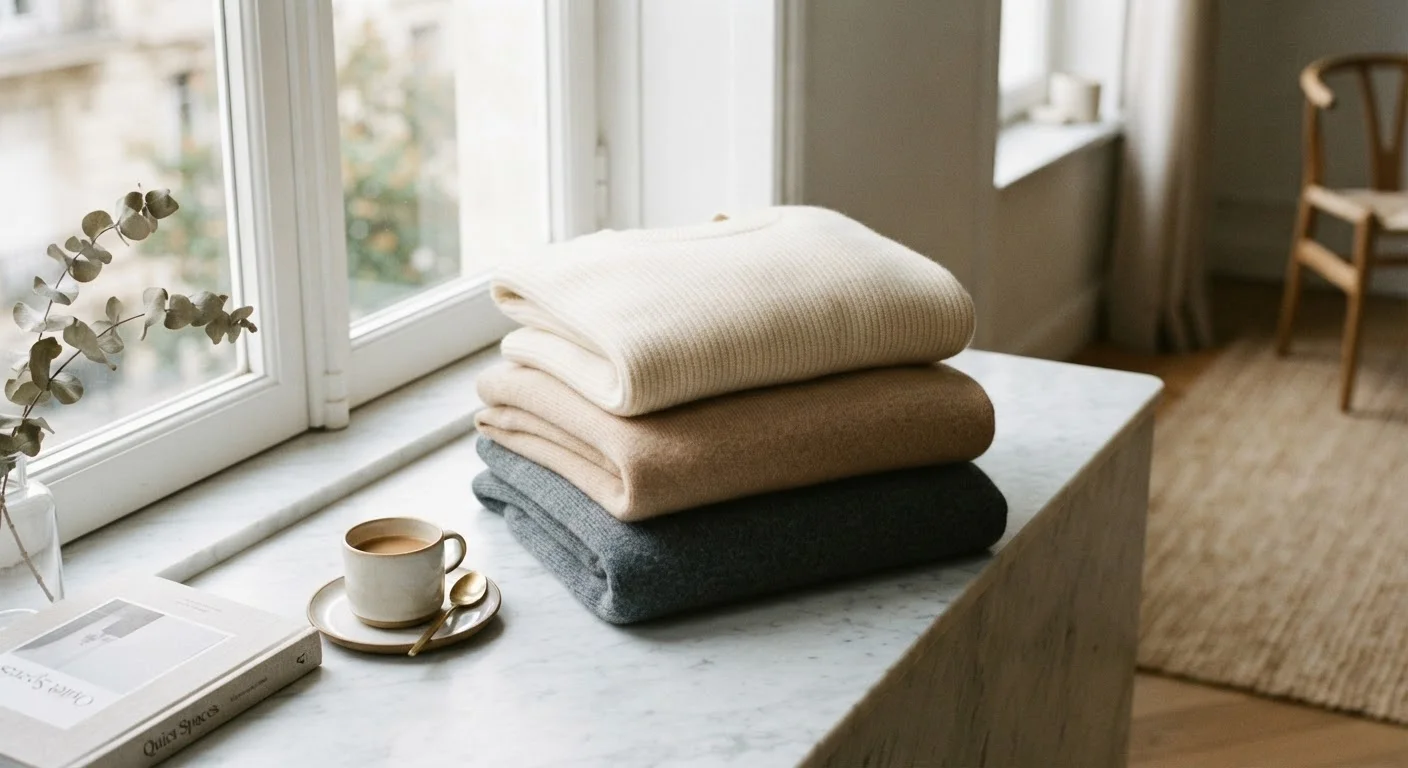
Photo: UnlockTopics.com | Unlocking Trending Content editorial
Key Takeaways
- Quiet luxury is built on fabric quality, precise fit, and neutral color — not visible logos.
- The aesthetic connects to a long-standing concept called 'stealth wealth,' practiced across multiple decades.
- Its longevity comes partly from offering a credible alternative to trend fatigue and overconsumption.
- Core quiet luxury pieces overlap heavily with classic wardrobe staples, making them easy to adopt gradually.
- Unlike micro-trends, quiet luxury is a macro-level style shift with staying power beyond a single season.
What Made Quiet Luxury Different From the Start
Fashion has always cycled between maximalism and restraint, but quiet luxury landed at a specific cultural inflection point. After years of logo-heavy streetwear dominating mainstream style and social media amplifying micro-trends at an accelerated pace — a phenomenon explored in depth in our piece on how social media compressed the fashion trend cycle — a meaningful counter-movement became almost inevitable.
What distinguished quiet luxury wasn't novelty; it was the deliberate rejection of novelty. While other aesthetics competed for attention through distinctive silhouettes, statement colors, or branded hardware, quiet luxury communicated through absence: no logo, no excess, no seasonal gimmick. This negative space gave it unusual staying power because there was nothing seasonal to discard.
“True elegance is refusal. The less you have to say about what you're wearing, the more people will focus on you.”
— Diana Vreeland, Former Editor-in-Chief, Vogue; fashion critic and cultural authority
The Principles Behind the Aesthetic
Three consistent pillars define quiet luxury as a cohesive style philosophy:
- Material quality: Natural fibers — cashmere, merino wool, silk, fine linen — are prioritized over synthetics. The tactile experience of a garment is treated as its primary value.
- Fit and construction: Clothes hang with precision. A well-structured shoulder, a trouser break that's exactly right, a coat lining that lies smooth — these details are the vocabulary of the aesthetic.
- Color restraint: The palette typically spans warm neutrals (camel, cream, sand), cool neutrals (slate, charcoal, navy), and occasional deep earth tones. Bright accent colors appear rarely, if at all.
These principles align closely with what style trend terminology guides would classify as 'classic' dressing — the difference is that quiet luxury has been packaged and named in a way that made it legible to a new, younger audience discovering it for the first time.
67%
Consumers prioritizing quality over trend in clothing
A 2023 McKinsey & Company consumer survey found that a majority of respondents cited quality and durability as the primary factors in fashion purchasing decisions, above trendiness.
3–5 years
Typical lifespan of a macro fashion trend
Fashion industry analysts generally distinguish macro trends — which reshape overall style values — from micro-trends, which may peak and fade within a single season or even a few months.
Why It Outlasted Faster-Moving Aesthetics
Most trend cycles have a predictable arc: emergence, peak saturation, ironic adoption, and decline. Quiet luxury disrupted that arc because its defining features are also its camouflage. A camel wool coat bought as a quiet luxury piece in 2022 looks no different — and no less relevant — in 2025. There is no expiration date built into the design.
This is the fundamental distinction between a micro-trend and a macro-shift in style values, a difference our editorial team has covered separately in micro-trends vs macro-trends. Quiet luxury operates at the macro level — it changed what many consumers value in clothing generally, not just what they wore for one season.
Cultural fatigue also played a role. As trend churn accelerated, more consumers reported feeling overwhelmed by the pace of change. Quiet luxury offered an exit ramp: a coherent, defensible aesthetic that didn't require constant updating. For anyone experiencing trend fatigue, the philosophy provided both a style solution and a kind of permission to stop chasing.
Start With Fit Before Fabric
Translating It Into Everyday Dressing
The practical appeal of quiet luxury is that most of its building blocks are already wardrobe staples: a well-fitted blazer, a cashmere crewneck, straight-leg trousers, leather loafers, a structured tote. None of these are trend-specific purchases — they're foundational pieces that serve across multiple contexts and seasons.
Fabric choice becomes especially important when you're transitioning between seasons. The texture and fabric considerations for transitional dressing that quiet luxury favors — boucle for autumn, lighter wools and silk for spring — are the same ones that make in-between weeks navigable without relying on statement pieces.
The key practical shift is moving purchasing decisions away from 'does this feel current?' toward 'does this fit well, feel good, and work across my existing wardrobe?' That reorientation — from novelty-seeking to quality-seeking — is the real behavioral change quiet luxury has encouraged, and it's why the aesthetic continues to shape how thoughtful dressers approach their closets regardless of what's trending on any given week.
Frequently Asked Questions
The content on this site is for informational purposes only and is not a substitute for professional advice. Always consult a qualified professional for guidance specific to your situation.