
Trends & Seasons

Trend Fatigue Is Real — Here's How to Stay Stylish Without Chasing Every Cycle

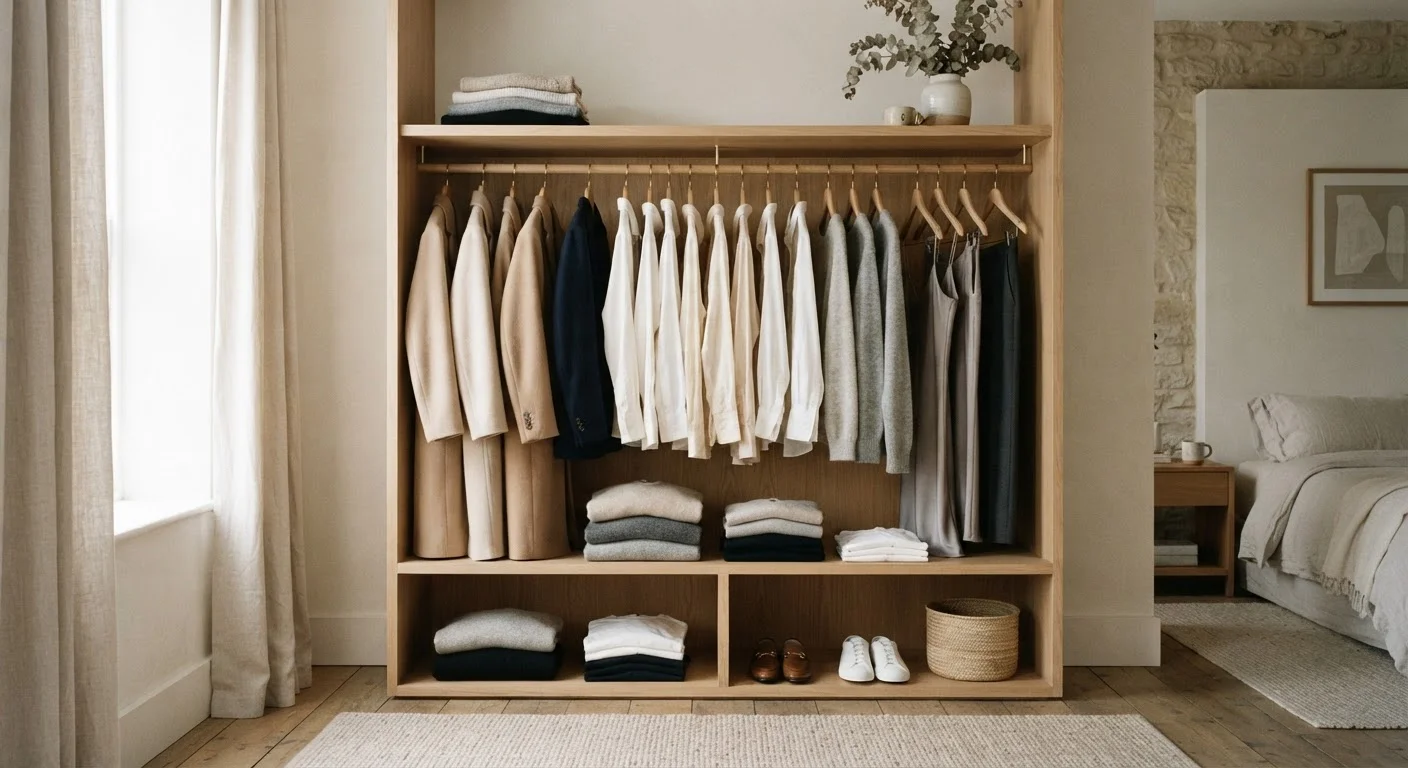
Trend Fatigue Is Real — Here's How to Stay Stylish Without Chasing Every Cycle

Photo: UnlockTopics.com | Unlocking Trending Content editorial

When trends change faster than wardrobes can keep up, a more selective approach to seasonal style pays off long-term.

Key Takeaways

  • Trend fatigue is a documented response to the accelerated pace of the modern fashion cycle.
  • A wardrobe anchored in personal style resists trend pressure more effectively than one built on impulse buys.
  • Selective trend adoption — choosing one or two elements per season — keeps style feeling current without constant turnover.
  • Understanding which trends have staying power versus which peak quickly saves money and decision fatigue.
  • Foundational pieces and deliberate layering extend your existing wardrobe across seasons without starting fresh.

Why Trend Fatigue Happens — and Why It's Getting Worse

Trend cycles that once moved from runway to retail over 18 months now compress into weeks. Social media algorithms surface micro-trends — "mob wife aesthetic," "coastal grandmother," "quiet luxury" — at a pace that makes meaningful engagement nearly impossible. By the time a look is widely accessible, it can already feel overexposed. As explored in how social media compressed the fashion trend cycle, this acceleration fundamentally changes the calculus of getting dressed.

Trend fatigue — the sense of exhaustion and paralysis that comes from too many style signals — is a predictable response. It tends to manifest as either overconsumption (buying into every cycle reactively) or disengagement (ignoring fashion coverage entirely). Neither approach serves you well. The more productive middle ground is selectivity.

Trend Fatigue vs. Disengagement

Trend fatigue doesn't mean fashion stops being relevant or enjoyable. It's a signal that the volume of trend information has exceeded what's useful for your own decision-making. The goal isn't to disengage entirely — trends can be a genuinely pleasurable part of getting dressed — but to recalibrate so that engagement is active and selective rather than reactive. Recognising that distinction is where a more sustainable approach to personal style begins.

Best Practices for Staying Stylish Without Chasing Every Cycle

The following practices aren't about rejecting trends outright — some trends are genuinely worth engaging with. They're about developing a more deliberate relationship with seasonal fashion so that your wardrobe reflects your own aesthetic rather than a constantly refreshed external checklist.

1

Audit your wardrobe before engaging with any new trend.

Most trend purchases duplicate items already owned in a slightly different form. A clear picture of what you have prevents reactive buying and reveals genuine gaps versus manufactured desire. It also surfaces which pieces you consistently reach for — useful data for any future decision.
Example: Before buying into a wide-leg trouser trend, checking your wardrobe might reveal you already own two pairs of wide-leg cuts — at which point the trend is already represented without a new purchase.
2

Apply a one-in, one-out rule for trend-led pieces.

Trend-led items often have a shorter utility window than classics. Treating them as temporary additions — replacing rather than accumulating — keeps your wardrobe manageable and forces genuine evaluation of whether a new piece earns its place. It also builds a natural ceiling on closet volume.
Example: Committing to donate or sell a rarely worn statement piece before buying a new one makes the decision more deliberate and reduces wardrobe crowding over time.
3

Distinguish between directional trends and enduring aesthetic shifts.

Not all trends carry equal weight. Some are novelty — a specific colour or embellishment that peaks quickly. Others represent genuine shifts in how silhouettes or dressing codes evolve. Investing more in the latter and treating the former lightly reduces costly misfires. Understanding the language of trend coverage helps here — see style trend terminology for useful definitions.
Example: The broader move toward relaxed tailoring has sustained across multiple seasons; buying a well-cut oversized blazer is a more durable investment than buying a very specific novelty print associated with a single season.
4

Adopt trends through accessories and accent pieces rather than full outfits.

Accessories carry trend signals at a fraction of the cost and commitment of garments. They can be layered into existing outfits, are easier to rotate out, and allow engagement with a trend without rebuilding your wardrobe around it. This approach also keeps foundational pieces working across multiple seasons.
Example: When a bold colour dominates a season's palette, incorporating it through a bag, scarf, or earrings lets you engage with the trend while keeping your core wardrobe untouched.
5

Set a seasonal trend budget and stick to it.

Without a deliberate limit, trend spending tends to accumulate in ways that aren't visible until a wardrobe edit. A defined budget — whether measured in money or number of items — creates a forcing function that prioritises only the trends you find genuinely compelling. The discipline itself reduces impulse-driven regret.
Example: Deciding in advance to adopt no more than two trend-led pieces per season shifts the question from 'should I buy this?' to 'is this the best use of my two seasonal slots?' — a much easier decision to make clearly.
6

Invest in foundational pieces that work across trend cycles.

Pieces rooted in proportion, quality, and personal fit hold their utility regardless of what's trending. They also make trend adoption easier because they provide a stable base that new pieces can work with. Layering strategies extend these foundational pieces further, keeping outfits versatile across seasons.
Example: A well-fitting neutral trouser or a structured mid-layer in a classic cut remains wearable through multiple trend cycles and can anchor trend-led pieces without competing with them.

Quick Actions You Can Take This Week

Managing trend fatigue doesn't require a full wardrobe overhaul. These immediate actions can reset your relationship with fashion consumption and restore a sense of control over how you get dressed.

high Unfollow or mute five accounts that consistently trigger reactive shopping impulses — reducing the volume of trend signals in your feed immediately lowers decision noise.
high Spend 20 minutes photographing your current wardrobe on a shared document or app — having a visual inventory makes deliberate shopping far easier and prevents duplicate purchases.
medium Identify three pieces you already own that reflect current trends — before buying anything new, style those pieces in a way you haven't tried before.
medium Write down one aesthetic principle that consistently describes how you dress at your best — use it as a filter for any trend engagement this season.

For a broader framework on rotating what you already own intelligently, see capsule dressing by season. And if you're examining your own consistent preferences, developing a signature style offers useful framing for understanding what actually works for you long-term.

The Longer Game: Style Over Trend

Trends serve a real purpose — they signal cultural moment, introduce new ideas, and give a shared visual language to how people dress at a particular time. But as why quiet luxury outlasted louder trends illustrates, only some trend movements genuinely reshape how people dress over time. Most fade quietly within a season or two.

Recognising this distinction changes how you shop. Rather than asking "Is this trending?" the more durable question is "Does this work within how I already dress?" The answer orients you toward your own visual identity rather than an external trend calendar. Style that holds up over time tends to start from that foundation — and uses trends as occasional punctuation rather than the main text.

“Fashion is about dressing according to what's fashionable. Style is more about being yourself.”

— Oscar de la Renta, Fashion designer known for enduring elegance in American couture

Before adding anything new to your wardrobe, it's also worth reviewing the pitfalls of buying into every seasonal drop — a useful check against the pressure that fast seasonal releases routinely create.

Style & Beauty Editorial Team

UnlockTopics.com | Unlocking Trending Content

Style & Beauty Editorial Team is the collective byline for our editorial team and contributor network. Articles published under this byline or an editorial pen name are researched, written, and reviewed according to our editorial standards for clarity, consistency, and independence before publication.

Fashion BasicsBeauty EssentialsTrends & Seasons
View author profile

The content on this site is for informational purposes only and is not a substitute for professional advice. Always consult a qualified professional for guidance specific to your situation.