
Micro-Trends vs Macro-Trends: What's the Difference and Why It Matters

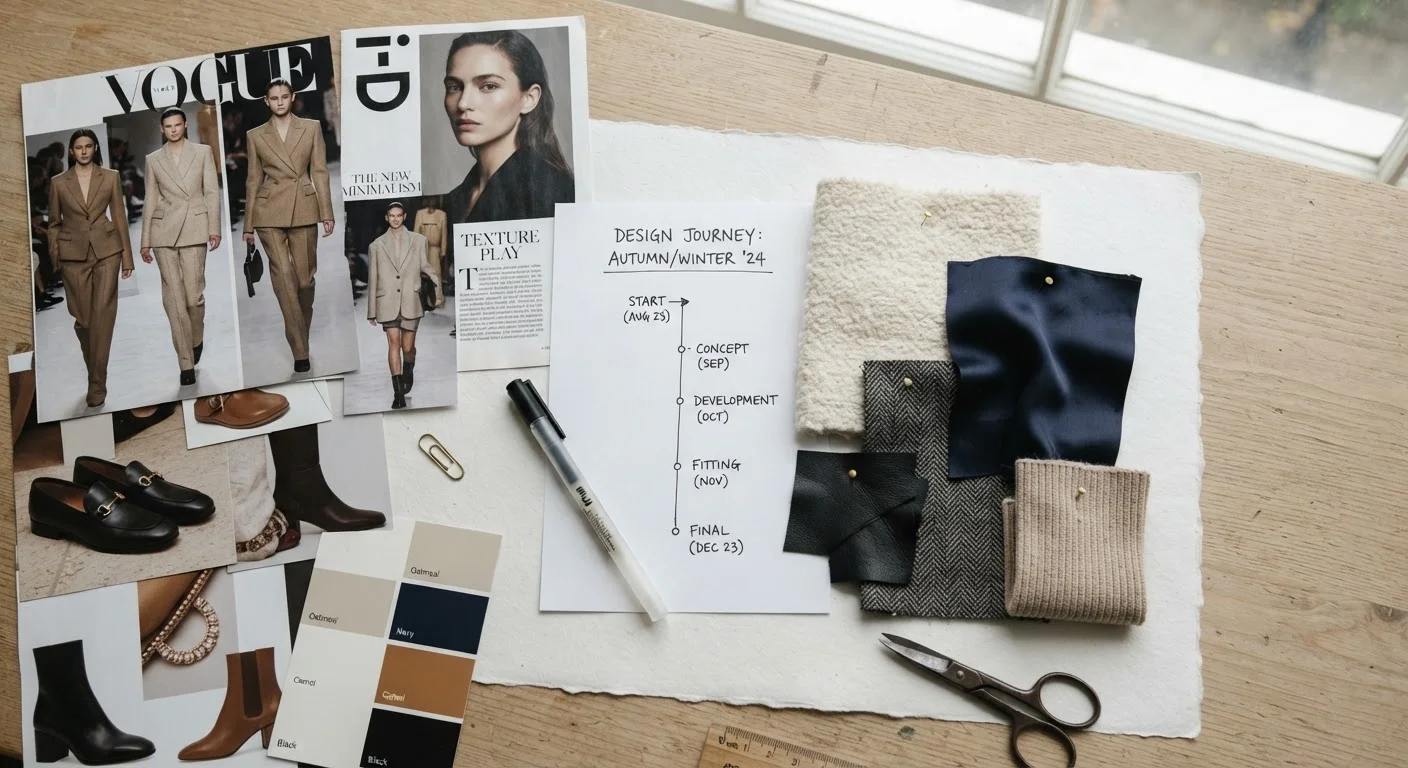
Photo: UnlockTopics.com | Unlocking Trending Content editorial
Key Takeaways
- Micro-trends peak and fade quickly, often within one to two seasons.
- Macro-trends reflect broader cultural shifts and evolve over several years.
- Understanding the difference helps you shop more deliberately and waste less.
- Social media has shortened the lifecycle of micro-trends dramatically.
- Macro-trends are generally safer investments for wardrobe staples.
- A mixed strategy — investing in macro, experimenting with micro — suits most style approaches.
Defining the Two Types of Trends
In fashion and beauty, the word "trend" gets applied to everything from a specific nail shape that went viral on Tuesday to a decade-long shift in how people relate to clothing. Those two things are not the same, and treating them as equivalent is where many wardrobe decisions go wrong.
A micro-trend is a highly specific, short-lived style moment — a particular color combination, a silhouette detail, or an accessory shape that surges in visibility and then recedes, typically within one to two seasons. Think ultra-low waistbands, a single specific shade of green, or novelty barrel-leg trousers that flood social feeds before quietly disappearing.
A macro-trend, by contrast, is a broader directional shift in taste and values that plays out over multiple years. It encompasses many micro-trends beneath it, but its roots are in cultural, economic, and social change rather than a single viral moment. Quiet luxury, the return to craftsmanship, and gender-fluid dressing are examples of movements that took years to build and will take years to fade. For more on how terminology like this is used in fashion coverage, see the style trend glossary that unpacks industry language in plain terms.
How They Compare Side by Side
The practical differences between micro and macro-trends affect nearly every wardrobe decision — what to spend, where to spend it, and how quickly you'll regret it.
| Criterion | Micro-Trends | Macro-Trends |
|---|---|---|
| Lifespan | 1–2 seasons | 3–10+ years |
| Origin | Viral moments, social media | Cultural, economic, social shifts |
| Specificity | Very narrow (one item or detail) | Broad direction or aesthetic movement |
| Investment risk | High — fades quickly | Lower — evolves gradually |
| Best suited for | Affordable, experimental pieces | Core wardrobe investment items |
| Example | A single viral accessory shape | Quiet luxury, gender-fluid dressing |
Macro-trends tend to emerge from a convergence of forces: shifts in consumer values, economic pressures, cultural movements, and evolving definitions of identity. Micro-trends, increasingly, begin online. Social media platforms have dramatically compressed the traditional trend cycle, meaning a micro-trend can be everywhere and nowhere within a matter of weeks. The full story of how social media changed trend timelines explains the mechanics in detail.
Why the Distinction Matters for Real Wardrobes
Confusing micro-trends with macro-trends is one of the most common — and costly — style mistakes. When a trend feels omnipresent, it's easy to assume it signals a lasting cultural shift. Often, it doesn't.
~21 days
Average peak lifespan of a social media micro-trend
Style analysts have observed that many platform-driven trends now peak within three weeks before engagement drops sharply.
3–10 years
Typical span of a recognizable macro-trend
Fashion historians generally track macro-level movements across multiple seasons before they begin to dissolve into the broader style landscape.
Investing in pieces that only make sense during a narrow micro-trend window creates wardrobe clutter and financial strain. The pitfalls of buying into every seasonal drop covers this cycle in detail. By contrast, understanding which trends represent macro-level shifts gives you a framework for where to spend thoughtfully — and where to experiment cheaply.
A practical approach many stylists suggest: use inexpensive, low-commitment pieces (accessories, a single garment) to engage with micro-trends you're drawn to, while reserving budget for macro-trend-informed pieces built for longevity. This mirrors the logic explored in fast fashion vs. slow fashion, where the type of investment matches the intended lifespan of the piece.
Macro-Trends Contain Multitudes
Understanding this distinction also plays into the broader idea of developing a signature style — one that absorbs macro shifts without being destabilized by every micro moment. If you've already started feeling overwhelmed by the pace of trend cycling, trend fatigue and how to manage it is worth reading alongside this piece.
The content on this site is for informational purposes only and is not a substitute for professional advice. Always consult a qualified professional for guidance specific to your situation.