
The Pitfalls of Buying Into Every Seasonal Drop

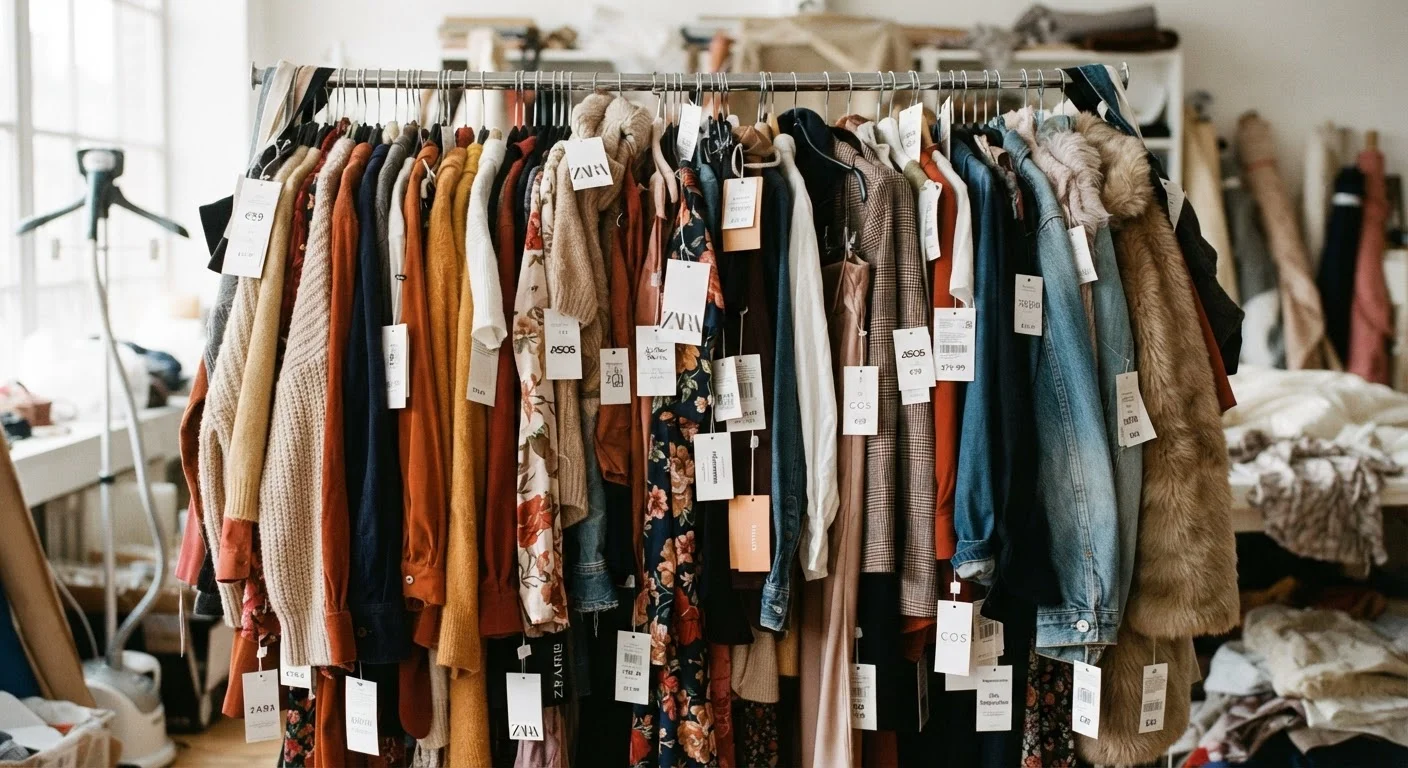
Photo: UnlockTopics.com | Unlocking Trending Content editorial
Key Takeaways
- Seasonal drops are engineered to create urgency, making deliberate pausing genuinely difficult.
- Buying trend pieces without a wardrobe inventory often duplicates what you already own.
- Fast trend cycles mean many seasonal items are unwearable before they're paid off.
- A pre-purchase checklist — not a budget alone — is the most effective filter for impulse buys.
Why Seasonal Drops Feel Impossible to Resist
Fashion and beauty retailers now operate on compressed release schedules that bear little resemblance to the traditional two-season calendar. Where brands once debuted collections twice a year, many now push micro-drops weekly or even daily. As explored in how social media compressed the fashion trend cycle, trends that once took years to travel from runway to street now peak and fade within months — sometimes weeks.
The psychological architecture behind these drops is deliberate. Limited quantities, countdown timers, and influencer saturation all signal scarcity. Retailers understand that perceived exclusivity accelerates purchasing decisions. The result: shoppers bypass practical evaluation and act on momentum. Understanding this system is the first step toward opting out of its less useful aspects.
4–6x
Increase in fashion micro-collections since early 2000s
Industry analysts estimate that the number of distinct collection releases per year from major fashion retailers has grown several-fold since the early 2000s, accelerating the pressure on consumers to buy continuously.
~30%
Of purchased clothing reportedly never worn
Research from various consumer behaviour studies suggests that a significant portion of purchased apparel is worn rarely or not at all, reflecting the gap between purchase intention and actual use.
The Most Common Mistakes — and How to Avoid Them
Knowing why seasonal purchasing goes wrong is more useful than willpower alone. The mistakes below are patterns observed across a wide range of shoppers, not individual failures. Each has a structural cause — and a straightforward correction.
Shopping a seasonal drop without knowing what's already in your wardrobe.
Treating trend alignment as a substitute for personal fit and versatility.
Buying pieces at full seasonal price that will be deeply discounted within weeks.
Confusing a low unit price with an affordable purchase.
Discarding wearable items to make room for new seasonal pieces.
Price Tags Left On Isn't a Safety Net
Building a More Deliberate Approach
Resisting seasonal drops entirely is neither realistic nor necessary. The goal is sharper filtering — adding only what genuinely extends or improves what you already wear. Before any new seasonal purchase, a wardrobe audit is one of the most effective tools available. Knowing precisely what you own removes the guesswork that makes impulse buying so easy.
For a structural alternative to reactive seasonal shopping, capsule dressing by season offers a framework for rotating your wardrobe intelligently without accumulating pieces you rarely touch. And if trend fatigue is already setting in, a more selective approach to trend cycles helps you stay stylish without the exhaustion of constant refresh.
The same logic applies beyond fashion. Retail environments are designed to influence what you reach for — recognising those mechanisms across all shopping categories puts the decision back in your hands.
The Real Cost Is Cumulative, Not Per Item
The content on this site is for informational purposes only and is not a substitute for professional advice. Always consult a qualified professional for guidance specific to your situation.