
Car Maintenance for New Drivers: Building Habits That Prevent Expensive Problems

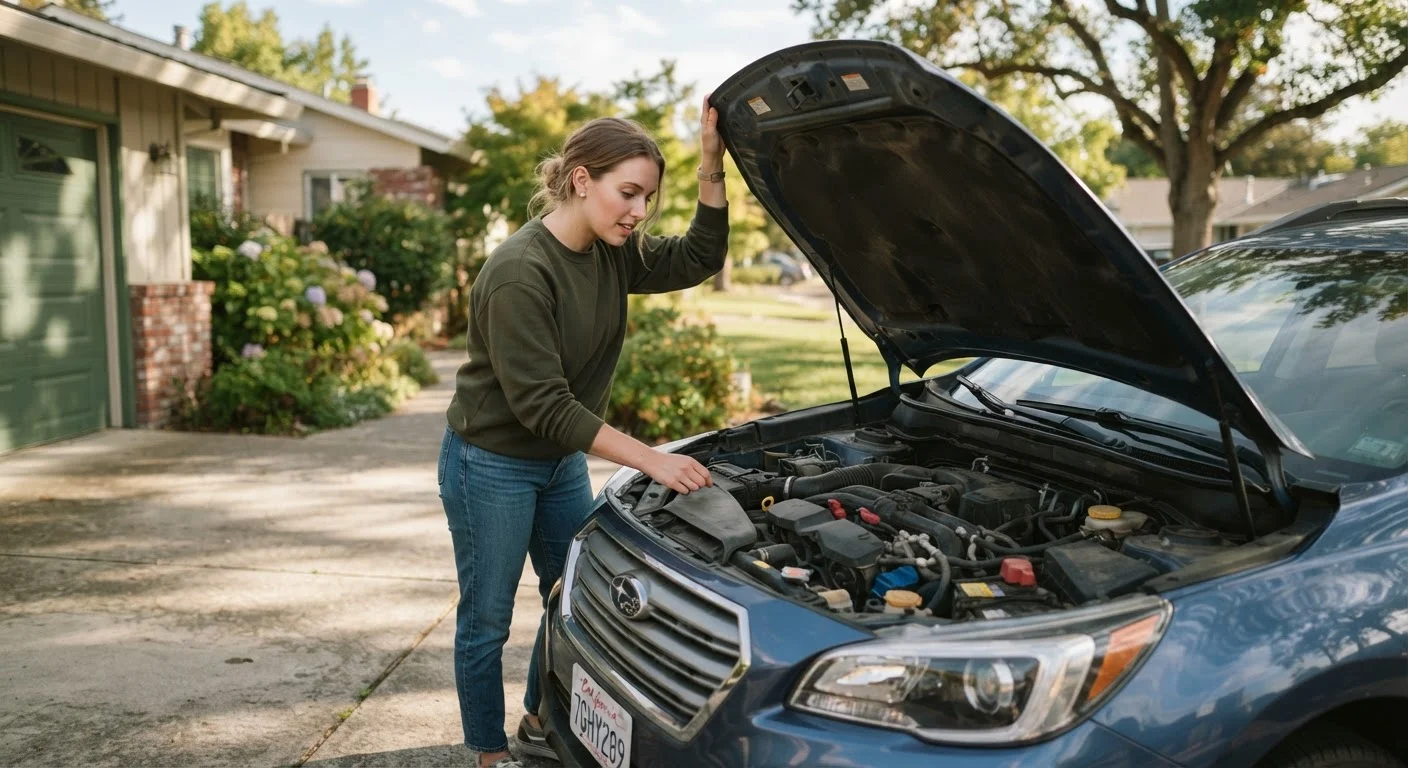
Photo: UnlockTopics.com | Unlocking Trending Content editorial
Key Takeaways
- Most expensive car repairs stem from deferred, not sudden, maintenance failures.
- A few visual checks per month can catch most common problems before they escalate.
- Your owner's manual is the single most reliable source for your specific vehicle's needs.
- Dashboard warning lights should never be ignored, even when the car still seems to drive fine.
- Keeping a simple maintenance log protects you financially and helps mechanics diagnose issues faster.
Why Maintenance Habits Matter More Than One-Off Fixes
Most major car repair bills don't arrive out of nowhere. They're the result of small issues - low oil, worn brake pads, underinflated tires - that went unnoticed until they became serious. For new drivers, the most valuable mechanical skill isn't knowing how to fix things. It's knowing how to notice them early.
Consistent maintenance habits outperform reactive fixes every time. A car that gets regular attention stays reliable longer, holds its resale value better, and rarely leaves its driver stranded. The habits that quietly shorten a car's lifespan are almost always ones that could have been corrected with a little awareness.
Small Habits, Big Savings
Think of car maintenance like brushing your teeth: a small, consistent effort prevents the kind of problem that becomes expensive, painful, and hard to ignore.
The Essential Checks Every New Driver Should Know
You don't need mechanical expertise to catch most common problems. These basic checks require no special tools and take less than ten minutes combined:
- Engine oil: Pull the dipstick (usually marked with a bright handle), wipe it clean, reinsert fully, and pull again. The oil level should sit between the two marks. Dark brown or black oil that smells burnt may need changing sooner than your next scheduled service.
- Tire pressure: Use a basic tire pressure gauge - sold at any auto parts store - to check all four tires and the spare. Compare readings to the recommended PSI listed on the sticker inside your driver's door jamb, not on the tire sidewall.
- Lights: Walk around the car once a month. Check headlights, taillights, brake lights, and turn signals. A burned bulb is cheap to replace and illegal to ignore.
- Wiper blades: Streaking or skipping in rain is a clear sign blades need replacing - usually every six to twelve months depending on climate.
For a deeper look at what's under the hood, car fluids every driver should be able to identify and check covers coolant, brake fluid, and more in plain English.
Dipstick
A long, thin metal rod inserted into the engine that you pull out to check the oil level. Markings on the end show whether oil is at a safe level.
PSI
Pounds per square inch - the unit used to measure tire inflation pressure. Under- or over-inflated tires affect handling, fuel efficiency, and wear.
Service interval
The recommended mileage or time period between scheduled maintenance tasks, set by the vehicle manufacturer and listed in the owner's manual.
Check engine light
An amber or yellow dashboard warning that the vehicle's onboard computer has detected a fault. It can indicate anything from a loose gas cap to a more serious engine or emissions issue.
Tread wear indicator
Small raised bars molded into tire grooves that become visible when tread depth is too low, signaling that the tire needs replacement.
Cabin air filter
A replaceable filter that cleans the air entering the passenger compartment through the heating and air conditioning system. A clogged filter reduces airflow and air quality.
Reading Your Dashboard and Owner's Manual
Your owner's manual is the most underused document in most glove compartments. It lists your vehicle's exact oil type, tire pressure specifications, service intervals, and what every warning light means. No online forum or general guide can replace that specificity.
Dashboard warning lights follow a loose color system: red generally means stop or act immediately; yellow or amber means attention is needed soon; green or blue is informational. But meanings vary by manufacturer, so always cross-reference your manual.
Never Dismiss a Red Warning Light
Common lights to know immediately include the oil pressure warning (red oil can icon), engine temperature warning (thermometer in liquid), battery warning, and check engine light. None of these should be dismissed simply because the car continues to drive normally.
When to DIY and When to Call a Mechanic
Some tasks are genuinely accessible to any attentive new driver: topping off washer fluid, checking tire pressure, replacing a cabin air filter, or swapping wiper blades. Others - brake pad replacement, suspension work, anything involving electrical systems - carry real risk if done incorrectly and are best left to qualified professionals.
The dividing line is usually whether the task requires lifting the vehicle, working near brake hydraulics, or touching safety-critical systems. Our guide on DIY checks vs mechanic visits walks through this boundary clearly. For brake-specific concerns, why brake maintenance gets neglected explains what deterioration actually looks like before it becomes dangerous.
When you do visit a mechanic, having a written history of past services helps them diagnose faster and builds credibility that you're not being charged for work already completed.
Building a Simple Maintenance Routine
The most effective maintenance schedule is one you'll actually follow. A simple structure for new drivers:
- Monthly: Check oil level, tire pressure, all exterior lights.
- Every 3-6 months: Check coolant, brake fluid, and wiper blade condition. Review any manufacturer service reminders.
- Annually or per manufacturer schedule: Oil and filter change, tire rotation, air filter inspection, and a general mechanic review.
Write every service down - date, mileage, what was done. A simple notebook in the glove box works. Keeping a maintenance log explains exactly why this paper trail pays off at sale time and during diagnostics.
As your confidence grows, explore how conditions change what your car needs throughout the year: seasonal car maintenance is a natural next step. And before any long drive, run through what to check on your car before a long road trip so you're never caught off guard miles from home.
Your Owner's Manual Overrides General Advice
This article is for general informational purposes only. Always consult a qualified mechanic for diagnosis, repair, or guidance specific to your vehicle's condition and model.
Frequently Asked Questions
The content on this site is for informational purposes only and is not a substitute for professional advice. Always consult a qualified professional for guidance specific to your situation.