
Car Fluids Every Driver Should Be Able to Identify and Check

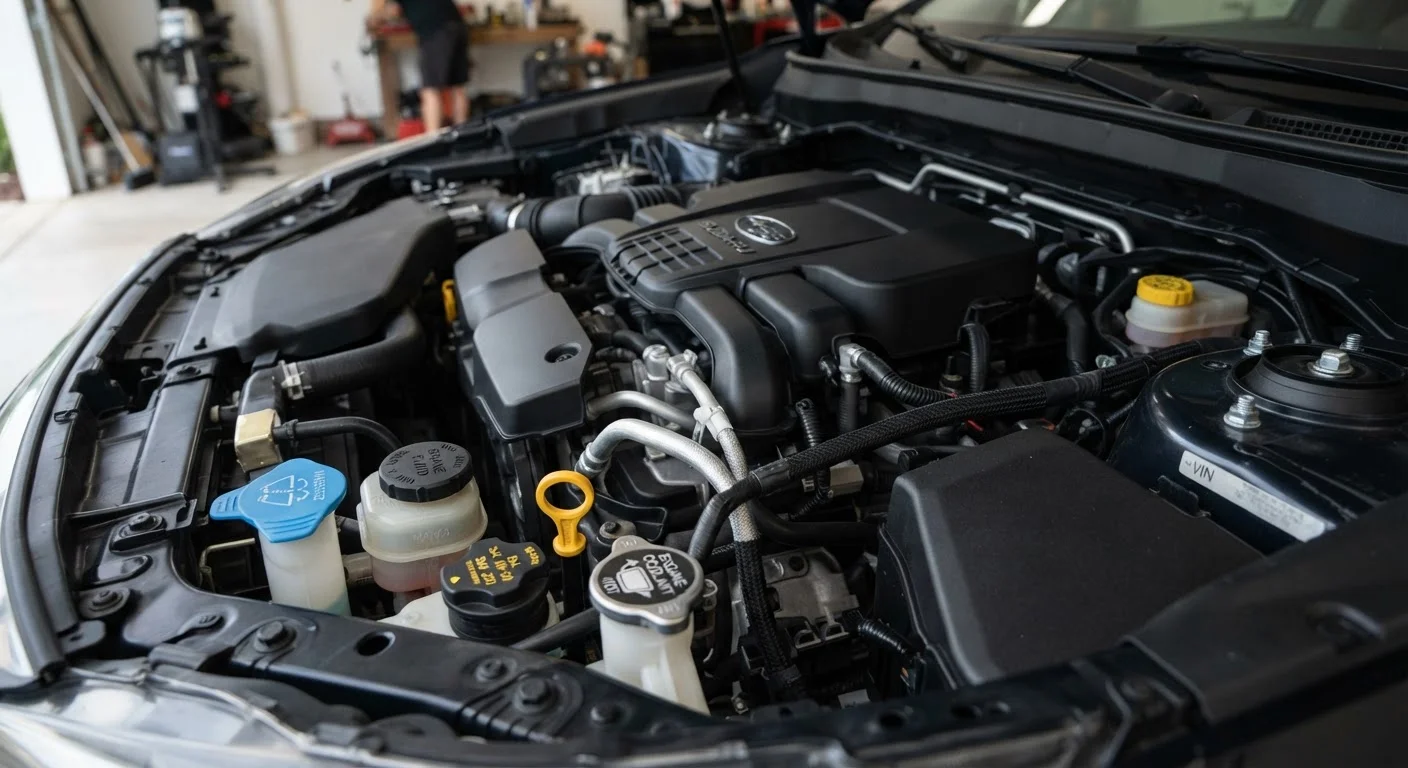
Photo: UnlockTopics.com | Unlocking Trending Content editorial
Why Fluid Checks Belong in Every Driver's Routine
Most mechanical failures that strand drivers on the side of the road share a common thread: they were preventable. Fluids are the lifeblood of your vehicle's major systems - engine, brakes, transmission, steering, and cooling - and checking them takes less than ten minutes. You don't need mechanical training to spot a low level or a contaminated reservoir; you just need to know what you're looking at.
This guide covers the six fluids every driver should be able to locate, read, and top off correctly. For a broader look at how these systems connect, see our complete guide to your car's major systems.
| Fluids to check regularly | 6 core fluids |
| Recommended oil check frequency | Monthly or before long trips |
| Engine must be cold for | Coolant and oil cap checks |
| Brake fluid replacement interval | Typically every 2 years (Varies by manufacturer; consult owner's manual) |
| Check time (all fluids) | Under 10 minutes |
The Six Fluids: What They Do and What to Look For
Dipstick
A long metal rod inserted into the engine oil reservoir that allows you to measure the oil level visually. It has MIN and MAX markers etched near the bottom.
Coolant (Antifreeze)
A liquid mixture (typically water and glycol) that circulates through the engine to regulate temperature. It prevents overheating in summer and freezing in winter.
Brake Fluid
A hydraulic fluid that transfers force from the brake pedal to the brake components at each wheel. It is hygroscopic, meaning it absorbs moisture over time, which reduces its effectiveness.
Transmission Fluid
A lubricating and hydraulic fluid used in automatic and some manual gearboxes to reduce friction, cool components, and enable smooth gear changes.
Power Steering Fluid
A hydraulic fluid that assists the steering mechanism, reducing the effort needed to turn the wheel. Many modern vehicles use electric steering systems and no longer require this fluid.
Engine Oil
Pull the dipstick, wipe it clean, reinsert fully, then pull again. The oil should sit between the MIN and MAX markers and appear amber to light brown. Black, gritty oil signals it's overdue for a change. Milky or foamy oil can indicate coolant contamination - have a mechanic inspect it promptly.
Coolant (Antifreeze)
Check the translucent overflow reservoir when the engine is cold - never open the radiator cap on a hot engine. The level should fall between the MIN and MAX lines. Coolant is typically bright green, orange, or pink depending on the formulation. A consistently low level may point to a slow leak in the system.
Brake Fluid
The brake fluid reservoir is usually a small translucent container near the firewall. Fluid should sit between MIN and MAX. Brake fluid darkens with age and moisture absorption; very dark fluid should be replaced at your next service. A sudden drop in level is a warning sign - low brake fluid can indicate worn brake pads or a leak, and either warrants immediate attention.
Transmission Fluid
Many modern automatic transmissions have sealed units with no accessible dipstick, requiring a workshop check. Where a dipstick is present, check it with the engine warm and running (in Park). Healthy transmission fluid is translucent red or pink; dark brown or burnt-smelling fluid needs replacement.
Power Steering Fluid
Locate the reservoir (often labeled with a steering wheel icon) and check the level indicator on the side or via a dipstick cap. Low power steering fluid can cause a whining noise when turning. Note: many newer vehicles use electric power steering and have no fluid reservoir at all.
Windshield Washer Fluid
The only fluid here that doesn't affect mechanical function - but a dry reservoir at the wrong moment is a safety issue. Use a purpose-made washer fluid rather than plain water, which can freeze in cold temperatures and doesn't cut road grime as effectively.
If a warning light accompanies any fluid concern, our warning lights guide explains what each symbol means and how urgently to act.
~40%
Of roadside breakdowns linked to maintenance neglect
Industry estimates consistently attribute a significant share of preventable breakdowns to missed fluid and maintenance checks.
2 years
Typical brake fluid service interval
Many manufacturers recommend brake fluid replacement every two years due to moisture absorption, though intervals vary - always check your owner's manual.
Safe Checking Habits and When to Call a Mechanic
A few ground rules keep fluid checks safe and accurate. Always check fluids on a level surface. Let the engine cool before opening coolant or oil caps - hot systems are pressurized and can cause burns. Use a clean cloth or paper towel when wiping dipsticks to avoid introducing debris.
Topping off a fluid is straightforward; diagnosing why it was low is a different matter. If a fluid needs refilling repeatedly between service intervals, that's a signal - not a solution. Persistent low levels suggest a leak or internal issue that a qualified mechanic should diagnose.
For new drivers building these habits from scratch, our new driver maintenance guide offers a practical routine framework. And if you're ever unsure whether a check is within your skill set, this guide on DIY vs mechanic visits helps you draw that line confidently.
This article is for general informational purposes only. Always consult your vehicle's owner's manual for manufacturer-specific guidance, and seek a qualified mechanic for any repair or diagnosis beyond routine fluid checks.
The content on this site is for informational purposes only and is not a substitute for professional advice. Always consult a qualified professional for guidance specific to your situation.