
Why Brake Maintenance Gets Neglected and the Consequences of Waiting Too Long

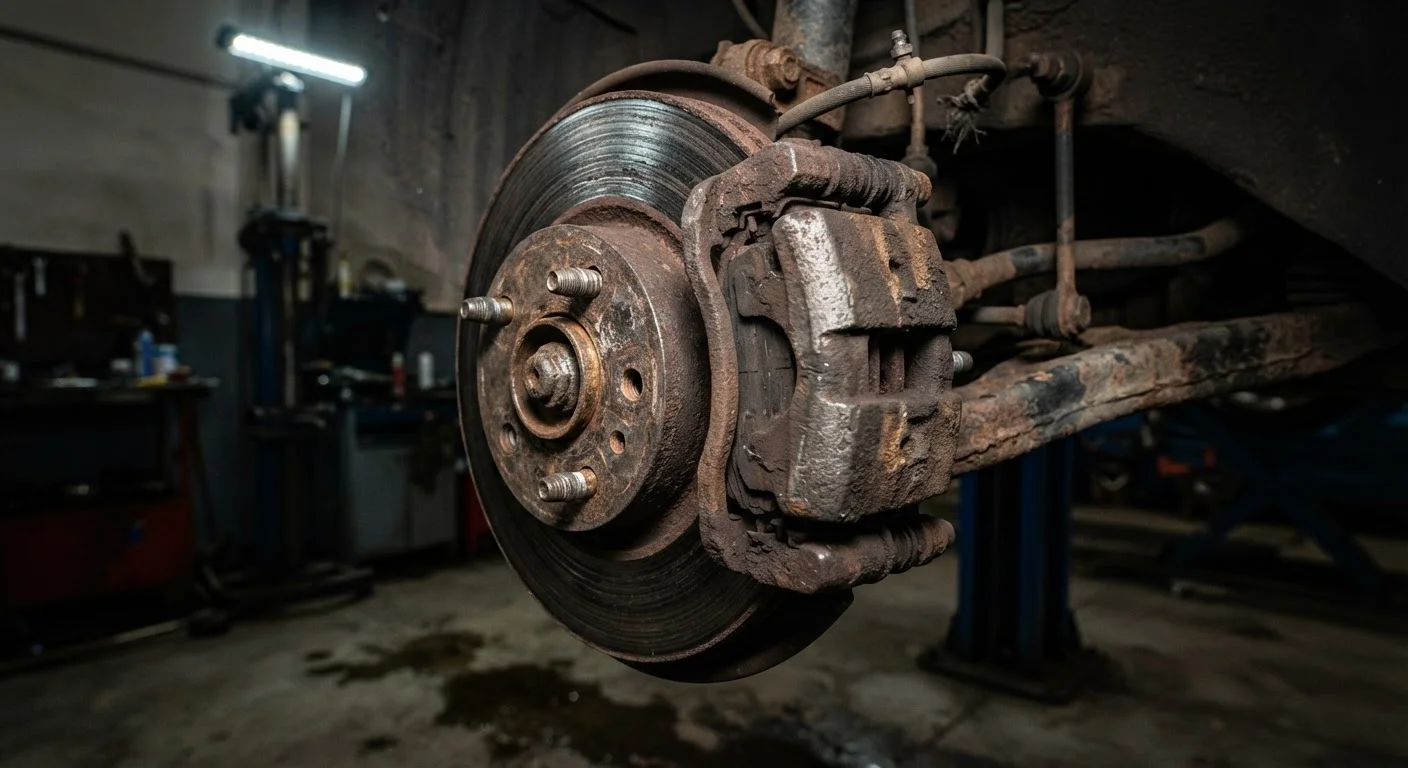
Photo: UnlockTopics.com | Unlocking Trending Content editorial
Key Takeaways
- Brake wear is gradual and easy to ignore, but the warning signs are reliable if you know what to notice.
- Delaying brake service typically turns a pad replacement into a rotor replacement, multiplying your repair cost.
- Squealing, grinding, vibration, and pulling are all signals that your brakes need professional inspection soon.
- Driving habits like late, hard braking significantly accelerate pad and rotor wear over time.
Why Brake Neglect Is So Common
Brakes are one of the most safety-critical systems on any vehicle, yet they're routinely the last thing drivers pay attention to. Unlike an oil change with a clear mileage interval, brake wear is variable - it depends on driving style, terrain, vehicle weight, and the quality of the components already fitted. That ambiguity makes it easy to procrastinate.
There's also a perception problem. Because brakes degrade slowly, drivers unconsciously recalibrate to the reduced performance without realizing it. A car that stops noticeably less crisply than it did a year ago can still feel "fine" to its owner. By the time the degradation becomes obvious, real damage has usually been done.
Understanding where neglect starts - and what it actually costs - is the first step toward making brake maintenance a genuine habit rather than an emergency response. For drivers still building their overall maintenance routines, our guide for new drivers covers the foundational checks that keep a car reliable.
Dismissing the brake squeal warning as a temporary or minor annoyance.
Waiting until brake performance feels obviously degraded before taking action.
Assuming brake maintenance follows a fixed mileage schedule like oil changes.
Ignoring a pulling sensation or pedal vibration as a suspension issue rather than a brake problem.
Skipping brake fluid checks entirely during routine maintenance.
What Deterioration Actually Looks Like
Brake systems give off clear signals at each stage of wear - the problem is that most drivers don't know what to listen and feel for.
~3mm
Minimum safe brake pad thickness
Most manufacturers and brake specialists consider pads below 3mm (roughly an eighth of an inch) to be at the replacement threshold, with some recommending action at 4mm.
2x
Cost increase when rotors must be replaced
Allowing pads to wear through to metal-on-metal contact typically makes rotor resurfacing or replacement unavoidable, often doubling the total repair cost compared to a timely pad swap.
Stage one: The squeal. Most modern brake pads include a metal wear indicator - a small tab designed to contact the rotor and emit a high-pitched squeal when the pad material is running low. This is not a defect; it's a designed alert. Many drivers hear it and assume it's road noise or a temporary issue. It isn't. At this stage, pad replacement alone is typically all that's needed.
Stage two: The grind. If squealing is ignored, the pad material wears completely through, and metal contacts metal. The grinding sound is the backing plate of the pad cutting into the rotor surface. At this point, rotor replacement is almost certainly necessary alongside new pads - roughly doubling the cost of what was a straightforward repair.
Stage three: Compromised stopping ability. Deeply scored rotors dissipate heat less effectively, warp under stress, and produce the pulsing sensation felt through the brake pedal. Stopping distances increase measurably, and the margin of safety narrows in emergency situations.
Metal-on-Metal Contact Is a Safety Emergency
Driving habits also accelerate this timeline considerably. Late, aggressive braking generates far more heat and friction per stop than smooth, progressive braking. See how smooth braking technique directly reduces component wear.
Taking Action Before It Becomes Dangerous
The practical rule is straightforward: if a warning sign appears, treat it as a prompt to schedule an inspection within days, not weeks. A qualified mechanic can measure pad thickness and rotor condition quickly - most shops will inspect brakes at no charge during a routine tire rotation.
Visually, you can often see pad thickness through the wheel spokes on many vehicles. If the pad material appears thinner than about a quarter inch, it's time to act. Rotors with deep grooves or a pronounced lip around the outer edge are also indicators of significant wear.
Don't Self-Diagnose a Brake Pull
It's also worth noting that brake fluid absorbs moisture over time, which lowers its boiling point and can cause brake fade under hard use. Many manufacturers recommend flushing brake fluid every two years, though the interval varies - check your owner's manual for your specific vehicle.
Neglecting brakes doesn't exist in isolation either. Worn components interact with the rest of the vehicle's dynamics. Uneven tyre wear can signal the same alignment or suspension issues that stress brakes harder, and everyday driving habits compound wear across multiple systems simultaneously. Addressing brakes as part of a broader maintenance mindset - rather than in isolation - is what keeps repair costs manageable over a vehicle's lifespan.
The content on this site is for informational purposes only and is not a substitute for professional advice. Always consult a qualified professional for guidance specific to your situation.