
Smarter Driving

Before a Long Road Trip: What to Check on Your Car

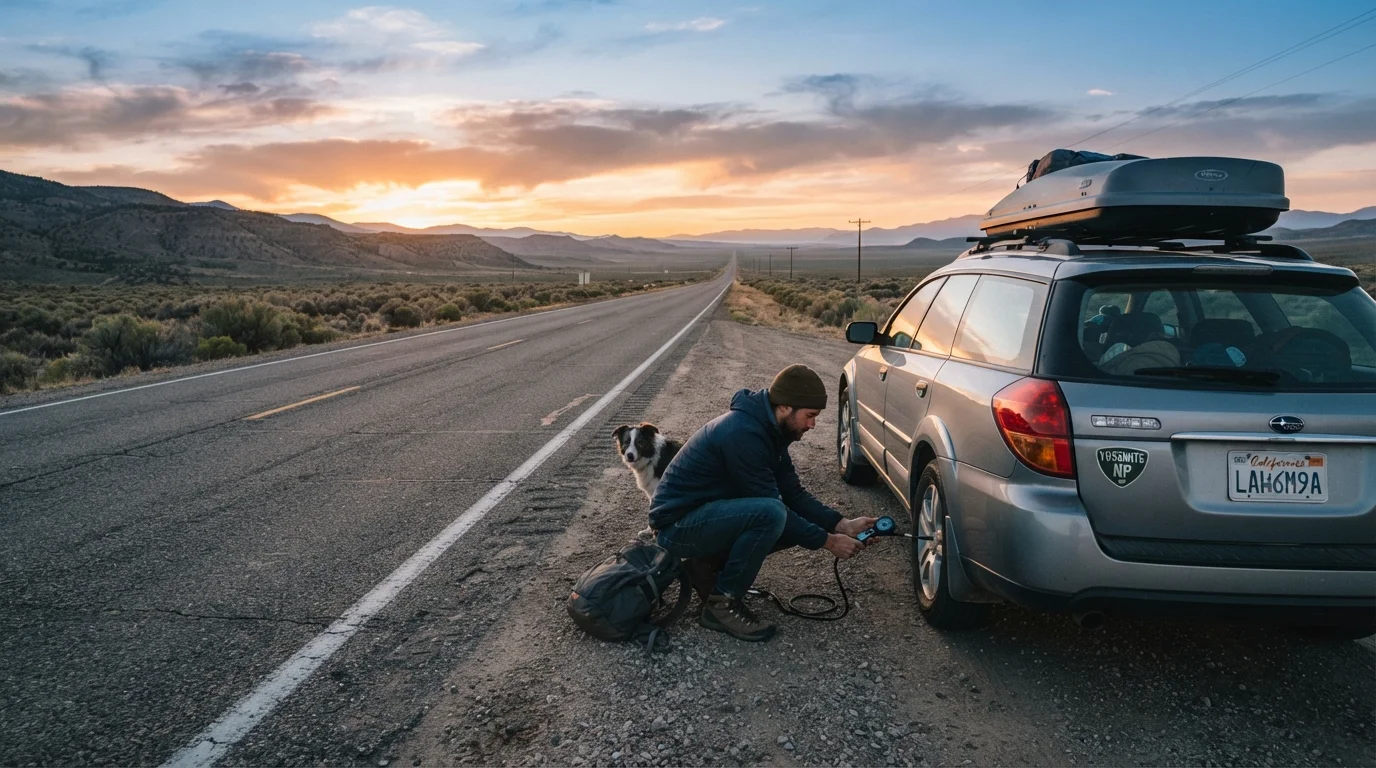
Before a Long Road Trip: What to Check on Your Car

Photo: UnlockTopics.com | Unlocking Trending Content editorial

A practical pre-departure checklist covering tyres, fluids, lights, and more — so long journeys start without surprises.

Key Takeaways

  • Tyre pressure and tread depth are the single most critical checks before any long drive.
  • Fluids — oil, coolant, brake fluid, and washer fluid — should all be verified at the same time.
  • Lights, wipers, and horn are quick checks that are easy to overlook until they matter most.
  • A spare tyre in good condition and a basic emergency kit can make a breakdown far less serious.
  • Many pre-trip checks take under a minute each but can prevent costly breakdowns mid-journey.

Why a Pre-Trip Inspection Matters

Long highway miles amplify every small problem your car already has. A slow tyre leak, a marginal battery, or low brake fluid might go unnoticed on a 10-minute commute — but at 65 mph over 400 miles, those issues become real risks. The good news: a thorough walk-around inspection takes under an hour and covers the vast majority of common breakdown causes.

This checklist is structured around the most critical systems first, so if you're short on time, work from the top down. For a broader view of how everyday habits affect your vehicle's long-term health, see our guide to habits that quietly shorten a car's lifespan. And for checks that go beyond DIY confidence, our article on DIY checks vs mechanic visits helps you know when to hand it off to a professional.

Don't Rely Solely on Dashboard Warning Lights

Warning lights are designed to alert you after a problem has developed — not before. Tyre pressure monitoring systems (TPMS), for example, typically only trigger when pressure drops 25% below recommended levels. A visual and manual check catches issues that sensors miss. Always inspect your vehicle directly rather than relying on the dashboard alone.

Tools You'll Need

Most of these checks require only basic tools you can keep in your glove box or garage. Stock up before departure day so you're not hunting for a gauge at 6 a.m.

Required

Tyre pressure gauge

Accurately measures PSI in each tyre so you can inflate to the correct manufacturer specification.

Optional

Tyre tread depth gauge

Provides a precise measurement of remaining tread depth beyond what the wear indicators show.

Required

Torch / flashlight

Needed to inspect dark areas under the hood, inside the boot, and around tyres in low-light conditions.

Optional

Funnel and fluid top-up supplies

Allows you to safely add oil, coolant, or washer fluid without spills.

Required

Jumper cables or portable jump starter

Provides a battery jump-start option if the vehicle fails to start during the trip.

The Full Pre-Departure Checklist

Work through these groups in order. Each item is designed to be completed in the driveway before you load the car and hit the highway. Conditions change by season, so if you're travelling in extreme heat or cold, also refer to our seasonal car maintenance guide for weather-specific advice.

Tyres

Check tyre pressure on all four tyres (including the spare) using a reliable gauge and inflate to the manufacturer's recommended PSI found on the driver's door jamb sticker. Must
Inspect tread depth on each tyre — if the tread reaches the wear indicator bars moulded into the grooves, replace the tyre before the trip. Must
Look for visible damage such as sidewall bulges, cuts, or embedded nails that could cause a blowout at highway speed. Must
Confirm the spare tyre is present, properly inflated, and that the jack and lug wrench are accessible in the boot. Must

Fluids

Check engine oil level with the dipstick when the engine is cold; top up or schedule an oil change if you're within 500 miles of the next service interval. Must
Inspect coolant level in the overflow reservoir — low coolant is a leading cause of overheating on long drives, especially in summer. Must
Check brake fluid level in the master cylinder reservoir; if it's below the minimum line, have a mechanic inspect the brakes before departing. Must
Top off windshield washer fluid — bugs, road grime, and spray from trucks can deplete a full reservoir faster than expected on highway driving. Should
Verify power steering fluid and transmission fluid levels if your vehicle has separate reservoirs and the last check was more than a few months ago. Should

Lights & Visibility

Test all exterior lights — headlights (low and high beam), tail lights, brake lights, reverse lights, and turn signals — with a helper or by reflecting off a wall. Must
Inspect wiper blades for streaking, skipping, or cracking; replace any blades that don't clear glass cleanly in a single pass. Must
Clean all exterior glass — windshield, rear window, and mirrors — to eliminate glare and blind spots before a multi-hour drive. Should

Under the Hood & Battery

Inspect the battery terminals for corrosion (white or greenish build-up) and ensure the connections are tight — a loose terminal can cause a no-start far from home. Must
Check all accessible belts for fraying, cracking, or glazing; a failed serpentine belt can disable the alternator, power steering, and cooling system simultaneously. Must
Listen for any new or unusual sounds when starting the engine — knocking, rattling, or squealing should be evaluated by a mechanic before a long trip. Must

Safety & Emergency Gear

Confirm that the horn, hazard lights, and parking brake all function correctly before leaving the driveway. Must
Pack a roadside emergency kit including jumper cables, a reflective warning triangle or flares, a torch, and a basic first-aid kit. Should
Carry a paper map or downloaded offline route as a backup in case cell service is unavailable in remote stretches. Nice to have

Brake Concerns Mean Stop — Don't Drive

If you notice low brake fluid, a spongy or sinking brake pedal, or any grinding or squealing during your pre-trip test drive, do not proceed with the journey. Brake system issues can escalate rapidly at highway speeds and in emergency stops. Have a qualified mechanic inspect the brakes before the vehicle is driven any significant distance.

After the Checklist: Staying Prepared on the Road

Even a perfectly prepared car can encounter unexpected situations. Pack a basic emergency kit — jumper cables, a reflective triangle or flares, a torch, and a first-aid kit — and make sure everyone in the vehicle knows where it is. Keep your roadside assistance contact number saved in your phone before you depart, not after you need it.

For ongoing vehicle care beyond road-trip prep, the Car Maintenance hub covers everything from fluid change intervals to warning light interpretation. Safe travels.

This article is for general informational purposes only. For concerns about your specific vehicle's safety or mechanical condition, consult a qualified mechanic before travelling.

Autos & Driving Editorial Team

UnlockTopics.com | Unlocking Trending Content

Autos & Driving Editorial Team is the collective byline for our editorial team and contributor network. Articles published under this byline or an editorial pen name are researched, written, and reviewed according to our editorial standards for clarity, consistency, and independence before publication.

Car MaintenanceAuto InsuranceSmarter Driving
View author profile

The content on this site is for informational purposes only and is not a substitute for professional advice. Always consult a qualified professional for guidance specific to your situation.