
Seasonal Skincare Myths That Dermatologists Frequently Correct

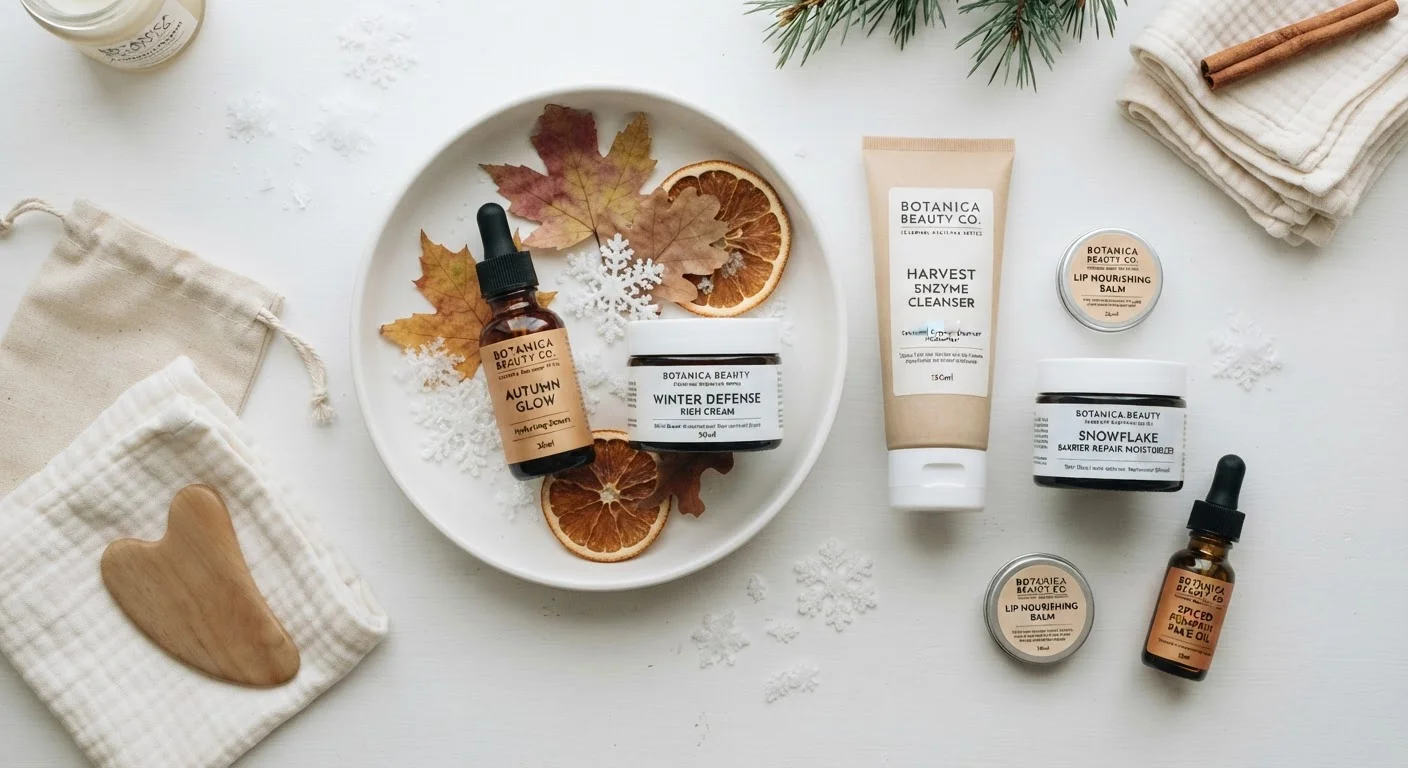
Photo: UnlockTopics.com | Unlocking Trending Content editorial
Key Takeaways
- UV radiation requires year-round SPF protection, not just during summer months.
- Oily skin still loses water in winter and generally benefits from lightweight moisturiser.
- Retinoids can be used in summer with consistent, adequate sun protection in place.
- Barrier function changes with humidity shifts, meaning seasonal routine adjustments are often warranted.
- Exfoliation frequency should be guided by skin response, not the season alone.
Why Seasonal Skincare Myths Persist
Seasonal skincare advice often travels fast — passed along in social media captions, beauty tutorials, and well-meaning word of mouth. The problem is that much of it started as a rough generalisation and hardened into perceived rule. Dermatologists routinely field questions rooted in these seasonal assumptions, correcting the same misconceptions year after year.
Understanding what actually changes about your skin across seasons — primarily humidity levels, UV index variation, and temperature effects on barrier function — gives you a more reliable framework than any seasonal checklist. The skincare routine audit is a useful starting point for evaluating whether your current approach reflects real skin needs or inherited habit.
Myth
You only need SPF in summer or on visibly sunny days.
Fact
UV-A radiation is present year-round and penetrates cloud cover, making daily broad-spectrum SPF relevant in every season.
UV-B rays — which cause sunburn — do peak in summer, but UV-A rays, which penetrate more deeply and are linked to photoaging, remain at significant levels throughout the year. Cloud cover blocks relatively little UV radiation. Dermatologists generally recommend broad-spectrum SPF 30 or higher as a daily habit regardless of season, weather, or whether the day involves extended time outdoors.
Myth
Oily skin doesn't need moisturiser in winter because it already produces enough oil.
Fact
Oil production and skin hydration are separate processes; oily skin can still be dehydrated and may benefit from a lightweight, non-comedogenic moisturiser.
Sebum is produced by sebaceous glands and sits on the skin's surface, while transepidermal water loss (TEWL) refers to moisture escaping through the skin's barrier. Cold, dry winter air accelerates TEWL regardless of skin type. Skipping moisturiser entirely can trigger the skin to compensate by producing more oil. A gel-based or water-gel moisturiser can support barrier function without contributing to congestion. See why moisturisers stop feeling effective for more on how barrier conditions affect product performance.
Myth
Retinoids should be stopped entirely during summer.
Fact
Retinoids can be used in summer provided consistent and adequate sun protection is in place.
Retinoids do increase photosensitivity, which is a legitimate consideration. However, this makes diligent daily SPF application more important — not retinoid discontinuation. Many dermatologists suggest applying retinoids in the evening (when they are also generally most stable) and maintaining broad-spectrum sun protection every morning. Stopping and restarting active ingredients seasonally can also disrupt progress and cause adjustment reactions each time use resumes.
Myth
You should exfoliate more in winter to deal with dry, flaky skin.
Fact
Flaking in winter often signals a compromised barrier, and increasing exfoliation frequency can worsen the problem rather than resolve it.
Visible flaking in cold weather is frequently a sign that the skin's barrier is struggling — not a sign that dead cell build-up needs aggressive removal. Over-exfoliating a barrier-compromised skin disrupts the lipid matrix further, leading to increased sensitivity, redness, and moisture loss. Dermatologists typically recommend focusing on barrier repair with ceramides, fatty acids, and humectants before reintroducing or increasing exfoliant use. Frequency should be guided by skin response, not season. For a comparison of exfoliation methods, see chemical exfoliants vs physical scrubs.
Myth
Heavier products are always better in winter for every skin type.
Fact
Texture preference in winter should reflect individual skin behaviour, not a blanket seasonal rule — some skin types do well with moderate adjustments rather than a complete product overhaul.
While many people do benefit from richer formulations in winter due to lower ambient humidity, blanket advice to switch to heavy creams can cause congestion in some skin types and may not address the actual issue if barrier disruption is the underlying cause. Skincare layering order also plays a role: applying a lightweight humectant before a moderately-rich moisturiser can deliver comparable hydration to a single heavy product, with less risk of pore congestion. The beauty essentials hub covers the fundamentals if you're evaluating your routine from the ground up.
Getting Seasonal Skincare Right
Adjusting your routine with the seasons is genuinely sensible — but those adjustments should follow your skin's actual behaviour, not calendar assumptions. Humidity drops in winter reduce water content in the upper skin layers for most people, which typically calls for richer emollients or occlusive layers. Summer heat and sweat can shift the balance toward lighter textures, but that doesn't mean stripping your routine down to nothing.
~80%
UV-A penetrating through cloud cover
Studies published in dermatology literature consistently show that the majority of UV-A radiation reaches skin even on overcast days, supporting year-round SPF use.
25–30%
Drop in skin moisture levels in low humidity
Research on transepidermal water loss indicates skin hydration can decrease measurably when ambient relative humidity drops below 30%, a level common in heated indoor environments during winter.
Sun protection is perhaps the most persistently misunderstood seasonal variable. UV-A radiation — the type most associated with premature aging and deeper skin damage — remains relatively consistent across seasons and penetrates cloud cover effectively. The sunscreen myths dermatologists correct covers this in detail, including the specific misunderstandings around skin tone and SPF need. For a clearer picture of how SPF products compare, SPF in moisturisers versus standalone sunscreen is worth reviewing before making routine changes.
Those incorporating active ingredients like retinoids or exfoliating acids should pay attention to how their skin responds during seasonal transitions — not because the ingredients become dangerous in certain months, but because a compromised barrier absorbs them differently. Our guide to chemical exfoliants versus physical scrubs explains how each method interacts with skin at a structural level. For evening routine specifics, what's worth adding after cleansing offers practical, evidence-informed guidance year-round.
Barrier Disruption Can Compound Quickly
This article provides general skincare education and is not a substitute for personalised advice from a qualified dermatologist or healthcare professional.
The content on this site is for informational purposes only and is not a substitute for professional advice. Always consult a qualified professional for guidance specific to your situation.