
Sunscreen Myths That Dermatologists Keep Correcting

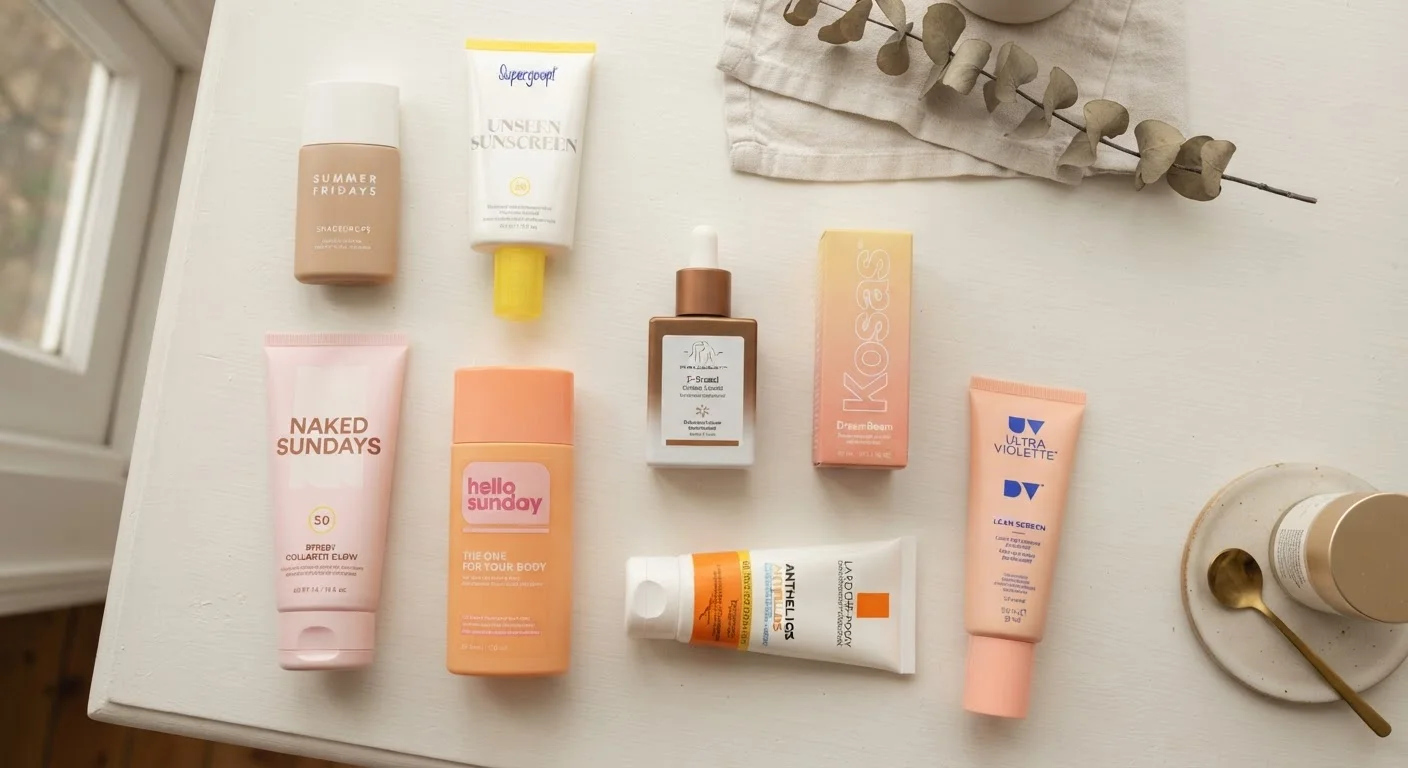
Photo: UnlockTopics.com | Unlocking Trending Content editorial
Key Takeaways
- UV radiation reaches skin on cloudy days, making daily SPF use necessary year-round.
- Darker skin tones can develop skin cancer and sun damage despite higher natural melanin levels.
- SPF 30 blocks roughly 97% of UVB rays — higher numbers offer diminishing additional returns.
- Sunscreen must be reapplied every two hours outdoors, regardless of water resistance claims.
- Chemical and mineral sunscreens are both effective when applied correctly and consistently.
Why Sunscreen Misinformation Persists
Sunscreen is one of the most researched skincare products available, yet misconceptions about how, when, and whether to use it remain stubbornly widespread. Some myths stem from outdated product formulations; others reflect genuine confusion about how UV radiation works. A few persist simply because the consequences of skipping SPF aren't immediately visible — cumulative sun damage takes years to surface as hyperpigmentation, premature aging, or, more seriously, skin cancer.
Dermatologists consistently identify the same handful of myths in their practices. Correcting them isn't about product promotion — it's about giving people accurate information so they can make informed choices. The myth-and-fact pairs below address the most common ones.
Myth
You only need sunscreen on sunny days or during summer months.
Fact
UV radiation — particularly UVA — penetrates cloud cover and is present year-round, not just in peak summer.
UVA rays, which contribute to skin aging and DNA damage, maintain consistent intensity regardless of visible sunlight. UVB rays, responsible for sunburn, do vary by season and geography, but UVA exposure on a cloudy January day is not negligible. Dermatologists recommend broad-spectrum sunscreen as part of a daily routine in every season.
Myth
People with darker skin tones don't need sunscreen because melanin protects them.
Fact
Melanin provides some natural protection, but it does not prevent UV-related skin damage or skin cancer in darker skin tones.
Higher melanin levels do offer a degree of natural SPF — estimated in the range of SPF 8–13 by some researchers — but this is far below the protection recommended for daily sun exposure. Darker-skinned individuals can and do develop melanoma and other skin cancers, which are often diagnosed at later, more serious stages due to the mistaken belief that their skin is fully protected. Hyperpigmentation and UV-induced damage are also common concerns regardless of skin tone.
Myth
SPF 100 is twice as protective as SPF 50, so higher is always better.
Fact
The relationship between SPF numbers and UVB-blocking percentage is not linear — the gains above SPF 50 are marginal.
SPF 30 blocks approximately 97% of UVB rays. SPF 50 blocks roughly 98%, and SPF 100 blocks about 99%. The difference in real-world protection is small, and no sunscreen blocks 100% of UV radiation. Relying on a very high SPF as an excuse to reapply less frequently undermines any marginal gain in protection. Consistent application and reapplication matter far more than chasing a maximum SPF number.
Myth
Water-resistant sunscreen doesn't need to be reapplied after swimming.
Fact
"Water-resistant" means the product maintains its SPF for up to 40 or 80 minutes in water — not that it's waterproof indefinitely.
Regulatory guidelines in the U.S. require sunscreen labeled "water resistant" to specify whether it maintains SPF for 40 or 80 minutes of water exposure — after which reapplication is necessary. Towel drying also removes sunscreen quickly. The general guidance from dermatologists is to reapply every two hours outdoors, and immediately after swimming or heavy sweating, regardless of water-resistance claims on the label.
Myth
Sunscreen in your foundation or moisturiser is enough for daily protection.
Fact
SPF in makeup and moisturiser is rarely applied in sufficient quantity to reach the stated protection level.
The SPF rating on a product is determined under lab conditions using a specific application volume. Most people apply moisturiser and foundation far more lightly than that. While SPF-containing cosmetics add some benefit, dermatologists consistently recommend applying a dedicated broad-spectrum sunscreen underneath makeup rather than relying solely on formulas with incidental SPF. For a deeper look at how these product types compare, see our guide on SPF in moisturisers vs. standalone sunscreen.
Applying Sunscreen Correctly Matters as Much as Choosing It
Even the highest-SPF product provides limited protection if it's applied too sparingly, skipped in winter, or not reapplied during extended outdoor time. Dermatology guidelines generally recommend about a teaspoon of sunscreen for the face and neck, and a full shot glass worth for exposed body skin — most people apply far less than that.
~97%
UVB rays blocked by SPF 30
SPF 30 filters approximately 97% of UVB radiation under standardized testing conditions, according to FDA sunscreen labeling guidelines.
80 min
Maximum water-resistance rating allowed
U.S. regulations cap water-resistance claims at 40 or 80 minutes; no sunscreen may be labeled "waterproof" under current FDA rules.
The debate between mineral (zinc oxide, titanium dioxide) and chemical (avobenzone, oxybenzone) formulas is largely one of preference and skin type, not effectiveness. Both filter UV radiation when applied in adequate amounts. For those with sensitive skin or certain skin conditions, consulting a dermatologist before choosing a formula is worthwhile. You can also explore the nuances of combined products in our companion piece on SPF in moisturisers vs. standalone sunscreen.
Don't Skip Reapplication on Overcast Days
Sunscreen myths don't exist in isolation — they're part of a broader pattern of health and lifestyle misinformation. If this kind of myth-busting is useful, it's worth applying the same critical lens elsewhere, including our look at seasonal skincare myths that affect year-round routines.
This article provides general skincare information and is not a substitute for personalised advice from a qualified dermatologist or healthcare provider.
The content on this site is for informational purposes only and is not a substitute for professional advice. Always consult a qualified professional for guidance specific to your situation.