
The Evening Skincare Routine: What's Worth Adding After Cleansing

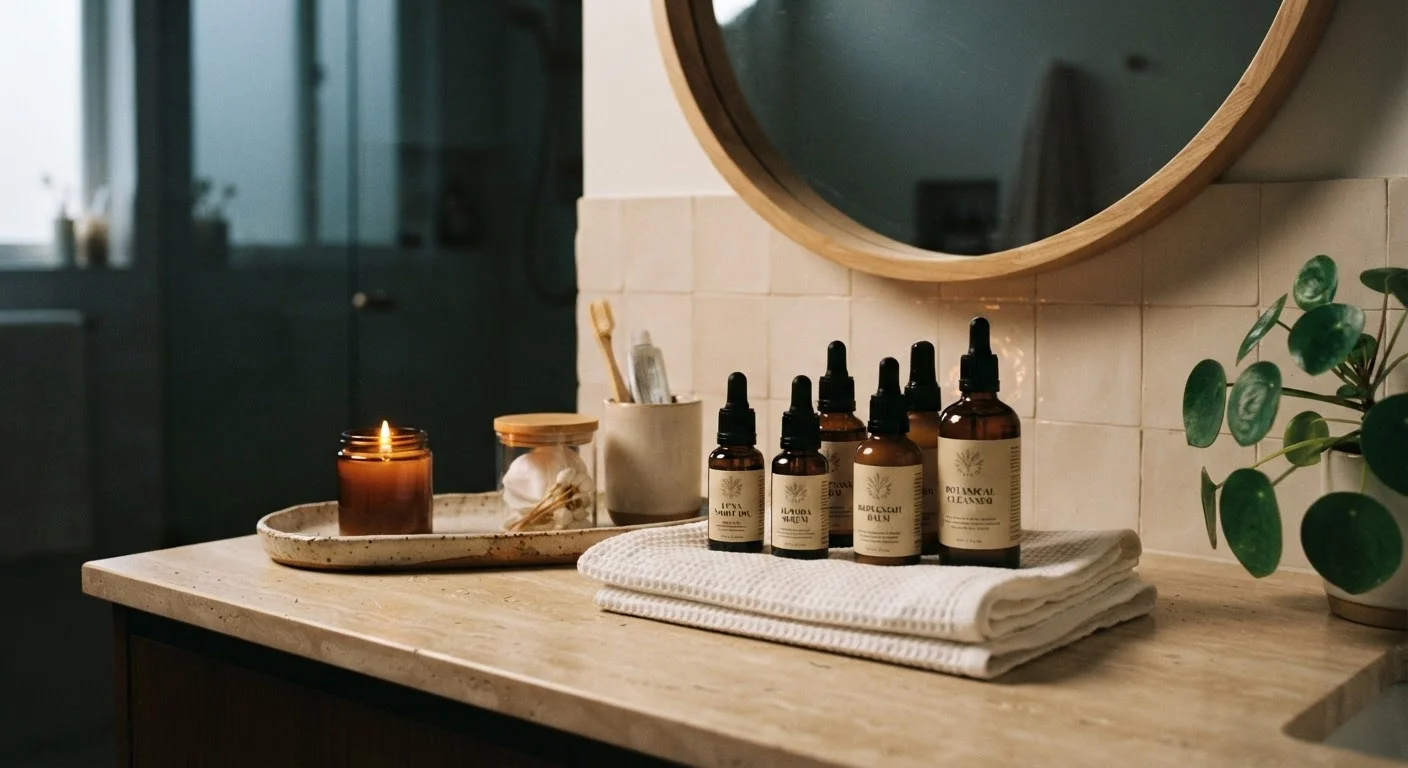
Photo: UnlockTopics.com | Unlocking Trending Content editorial
Key Takeaways
- Evening is the optimal window for actives like retinoids and AHAs because there is no UV exposure risk.
- Layering products in the correct order — thinnest to thickest — determines how well each one absorbs.
- A basic nighttime routine needs only three to four steps; more products do not automatically mean better results.
- Moisturizer and occlusive ingredients applied last help lock in the benefit of everything applied before them.
- Consistency over weeks matters more than using every available product category in a single night.
Why Nighttime Is Different for Your Skin
Skin doesn't simply rest while you sleep — it shifts into a mode more oriented toward repair and regeneration. Cell turnover rates are generally higher overnight, and without the need to defend against UV exposure and environmental stressors, the skin barrier is in a better position to absorb and use what you apply to it.
This is what makes the evening routine distinctly valuable. Certain ingredients — particularly retinoids and alpha hydroxy acids — are best suited to nighttime use because sun exposure can degrade them or amplify irritation. Others, like peptides and barrier-repair ceramides, simply work well during a period when there is no makeup or SPF competing for surface space.
Contrast this with morning skincare, which prioritises protection: antioxidants, SPF, and lightweight hydration for a skin-under-siege context. For a fuller picture of how the two compare, our morning skincare routine guide walks through the daytime equivalent. Evening routines can afford to go deeper — but that doesn't mean they need to be longer or more complicated.
Keep It Consistent, Not Complex
Building Your Routine Step by Step
The steps below follow a logical sequence from lightest to heaviest — the guiding principle behind effective skincare layering. Applying products out of order can prevent proper absorption or dilute the effect of an active ingredient. If you want to understand the logic in depth, our guide to skincare layering covers the reasoning thoroughly.
What you will need
Gentle Facial Cleanser
Removes makeup, sunscreen, and daily buildup so subsequent products can absorb properly.
Toner or Essence (optional)
Rebalances skin's pH after cleansing and can add a first layer of hydration before serums.
Treatment Serum
Delivers concentrated actives — such as retinol, niacinamide, or peptides — to address specific skin concerns.
Eye Cream
Provides targeted hydration and nourishment to the delicate skin around the eye area.
Night Moisturizer or Barrier Cream
Seals in previous layers and supports overnight repair by reinforcing the skin barrier.
Facial Oil or Occlusive Balm
Applied last to slow moisture loss (transepidermal water loss) while skin regenerates overnight.
Double-cleanse if you wore makeup or SPF
Start with an oil-based cleanser, micellar water, or cleansing balm to break down sunscreen and makeup. Follow with your regular water-based cleanser to remove any remaining residue and surface oil. If you wore neither makeup nor sunscreen, a single gentle cleanse is sufficient. Pat — do not rub — your face dry with a clean towel.
Apply toner or essence while skin is still slightly damp
This step is optional but useful for those who find their skin feels tight or dry after cleansing. A hydrating toner — one without high alcohol content — can restore pH balance and prime skin for the next step. Apply with clean hands or a soft cotton pad, pressing gently rather than wiping across the face.
Apply your treatment serum
This is the most impactful step in a nighttime routine. The evening is the ideal time for actives that increase photosensitivity — particularly retinoids and AHAs — because there is no sun exposure. Apply a pea-sized amount of retinol serum, or follow the specific guidance on whichever active you're using. Niacinamide and peptide serums can generally be used more freely and layered with other ingredients.
Avoid combining retinoids with vitamin C or benzoyl peroxide in the same application; ingredient conflicts can reduce efficacy or increase irritation. For guidance on what pairs well, see our skincare layering guide.
Tap on eye cream if using one
The skin around the eyes is thinner and more fragile than the rest of the face, so a dedicated eye cream — while not strictly essential — can provide targeted hydration. Use your ring finger to gently tap (not drag) a small amount along the orbital bone, avoiding direct contact with the eye itself. Apply eye cream before your main moisturizer so it sits on skin rather than on top of another product.
Seal everything with a moisturizer
A night moisturizer is your routine's anchor layer — it locks in the hydration and actives applied in earlier steps. Look for formulas that support barrier repair, commonly those containing ceramides, fatty acids, or squalane. Apply evenly across the face and neck. If your skin tends to be oily, a lighter gel-cream formula will still provide necessary hydration without feeling heavy.
Finish with a facial oil or occlusive layer (optional)
For those with dry or compromised skin barriers, adding a facial oil or a small amount of occlusive balm as the final step can meaningfully reduce overnight moisture loss. This technique — sometimes called "slugging" when done with petrolatum — creates a physical seal over all the layers beneath it. Use sparingly; a little goes a long way, and excess product won't absorb further.
Retinoids Require a Gradual Introduction
Exfoliants Belong on Scheduled Nights Only
Seasons can affect how much your skin needs from each step — heavier occlusives may be more valuable in winter, while lighter textures may suit warmer months. Our annual beauty calendar can help you adjust your approach throughout the year.
The content on this site is for informational purposes only and is not a substitute for professional advice. Always consult a qualified professional for guidance specific to your situation.