
The Logic Behind a Car Service Schedule

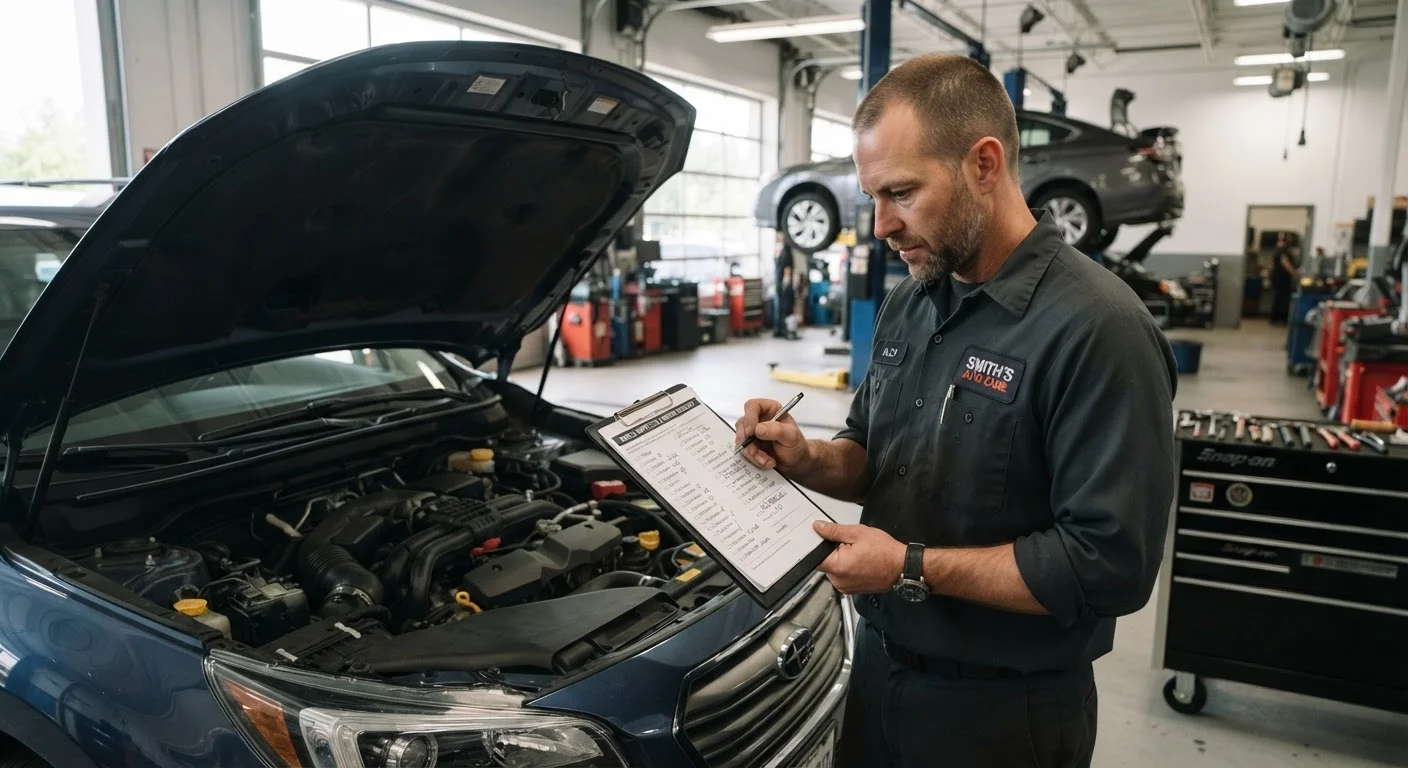
Photo: UnlockTopics.com | Unlocking Trending Content editorial
Key Takeaways
- Service intervals are set by engineers based on how components actually wear - not guesswork.
- Skipping services doesn't save money; it transfers costs to larger, more expensive repairs later.
- Modern vehicles often have extended oil-change intervals well beyond the old 3,000-mile rule.
- Your owner's manual is the authoritative source for your specific vehicle's schedule.
- A documented service history protects resale value and helps mechanics diagnose problems faster.
Why Service Intervals Exist in the First Place
Every component in a car wears or degrades at a measurable rate. Engine oil oxidizes and accumulates combustion byproducts. Brake fluid absorbs moisture over time, lowering its boiling point. Spark plugs erode. Belts and hoses harden and crack. Manufacturers study these degradation curves during development and set service intervals at points where preventive action costs far less than failure.
Think of a service schedule less as a maintenance calendar and more as a system of safety nets - each one designed to catch a different category of problem before it cascades. Everyday driving habits like short trips and frequent idling can accelerate wear beyond standard assumptions, which is why many manufacturers publish a secondary "severe duty" schedule for those conditions.
40%
Engine failures linked to poor lubrication maintenance
Industry repair data consistently shows that inadequate oil maintenance is among the leading causes of preventable engine failure.
7,500-10,000 mi
Typical modern synthetic oil change interval
Most current manufacturer recommendations for vehicles using full synthetic oil range well above the outdated 3,000-mile guideline.
2-3x
Cost multiplier of reactive vs. preventive repair
Automotive repair professionals generally estimate that reactive repairs cost two to three times more than the preventive maintenance that could have avoided them.
What Actually Happens at Each Service
A minor service - typically the most frequent - centers on engine oil and filter replacement, topping up or inspecting fluid levels, and a visual safety check of brakes, tires, and lights. It takes roughly an hour and is the foundation everything else builds on.
A major service, performed at larger mileage milestones, adds components with longer wear cycles: spark plugs, air and cabin filters, transmission fluid, coolant flush, and belts. At high mileage, timing belt or chain inspection becomes critical - a snapped timing belt can cause catastrophic engine damage.
Some items don't appear on early services but matter enormously at higher mileage: differential fluid, power steering fluid, and fuel injector cleaning. Your owner's manual lists these by interval. For a clearer picture of which tasks you can handle yourself versus which need a professional, see our guide on DIY checks versus mechanic visits.
Keep Your Owner's Manual Accessible
The Real Cost of Skipping Services
The math on deferred maintenance is unforgiving. A routine oil change costs a fraction of the engine repair that follows extended oil neglect. Replacing a timing belt proactively is significantly cheaper than repairing the valve and piston damage a snapped belt causes. Catching low brake fluid during a service prevents the brake fade or failure that results from ignoring it.
There's also a compounding effect: when one system is stressed, adjacent systems compensate and wear faster. A clogged air filter forces the engine to work harder, increasing fuel consumption and thermal stress simultaneously.
Beyond mechanical consequences, skipping services creates a documentation gap. A well-maintained service record reassures future buyers and supports resale value. A documented maintenance log also gives mechanics the context they need to diagnose unusual symptoms quickly.
Warranty Implications Are Real
Reading Your Own Vehicle's Schedule
The owner's manual is the only document that reflects the engineering decisions made for your specific engine, drivetrain, and intended use conditions. Generic advice - including the once-ubiquitous 3,000-mile oil change - may not apply to your car. Many modern vehicles with synthetic oil specify intervals of 7,500-10,000 miles or more. For a deeper look at outdated maintenance rules, see our article on car maintenance myths that waste money and time.
Some vehicles also use an onboard maintenance reminder system that calculates intervals based on actual driving data - engine temperature cycles, idle time, load - rather than fixed mileage. These systems can shorten or lengthen the recommended interval depending on how the car has been driven. They supplement, but don't replace, the owner's manual schedule.
Drivers preparing for seasonal changes should also consider how conditions affect service timing. Our seasonal car maintenance guide covers which checks to prioritize before extreme weather arrives. If you're newer to car ownership and building your maintenance routine from scratch, car maintenance for new drivers provides a practical starting point.
Frequently Asked Questions
The content on this site is for informational purposes only and is not a substitute for professional advice. Always consult a qualified professional for guidance specific to your situation.