
Car Maintenance Myths That Waste Money and Time

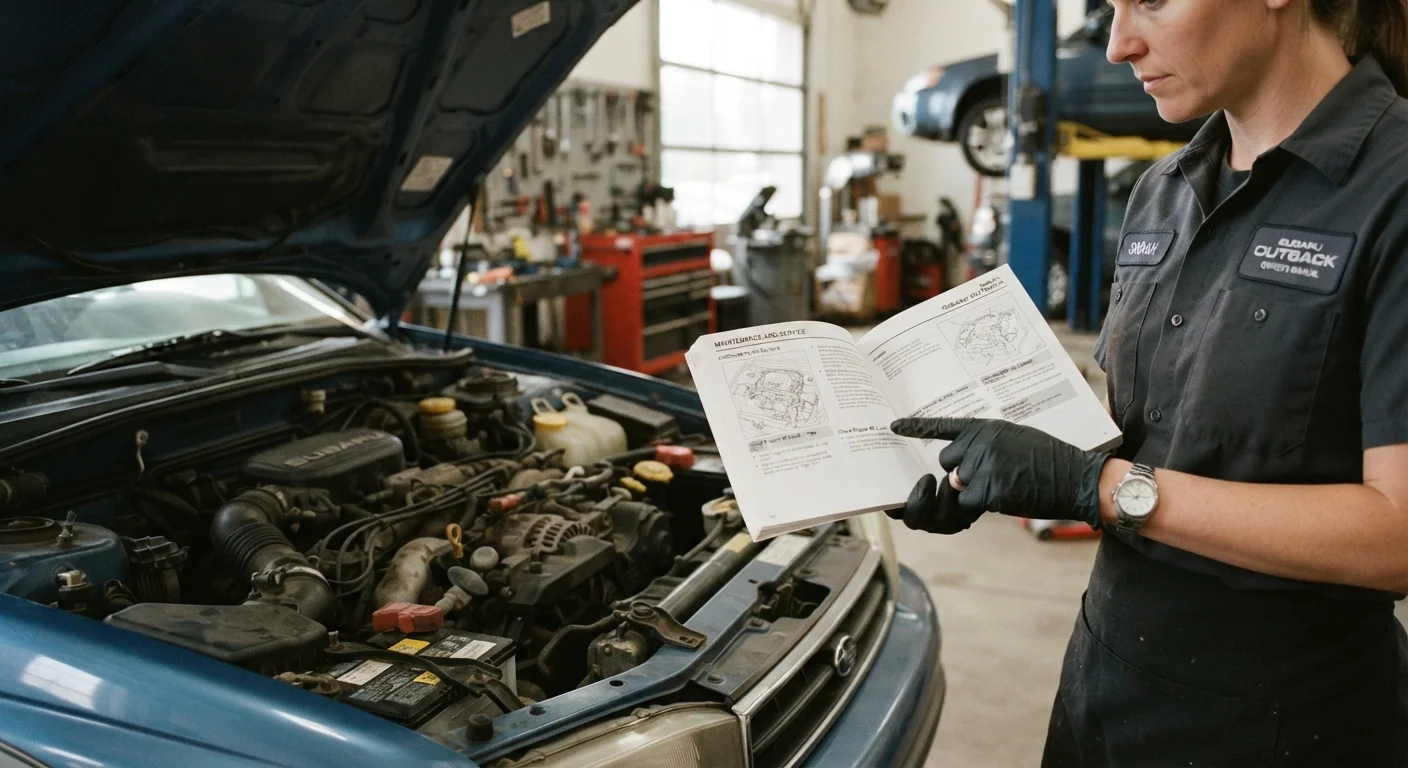
Photo: UnlockTopics.com | Unlocking Trending Content editorial
Key Takeaways
- Modern vehicles typically don't need oil changes every 3,000 miles - consult your owner's manual instead.
- Idling to warm up a cold engine wastes fuel and provides minimal benefit to most modern cars.
- Premium fuel only benefits engines specifically engineered to require it; most cars run fine on regular.
- Tire pressure should be set to your vehicle's placard spec, not the number printed on the tire sidewall.
- Servicing at a non-dealership shop does not void your factory warranty under federal law.
Why Car Maintenance Myths Persist
Much of what drivers believe about maintaining their cars was accurate - decades ago. Engine technology, oil chemistry, and fuel systems have changed dramatically, but the advice passed down at gas stations and family driveways hasn't kept pace. The result: millions of drivers spend money on unnecessary services and skip ones that actually matter.
These myths aren't harmless. Acting on outdated information can mean paying for oil changes twice as often as needed, shortening the life of components through misuse, or voiding a warranty you didn't know you had. Separating fact from folklore is one of the most practical things any driver can do. For a broader look at behaviors that cost you over time, see habits that quietly shorten a car's lifespan.
Myth
You should change your oil every 3,000 miles, no exceptions.
Fact
Most modern vehicles with conventional oil can go 5,000-7,500 miles between changes; many using full synthetic can safely reach 10,000-15,000 miles.
The 3,000-mile rule was reasonable for older engine designs and older oil formulations. Today's synthetic and synthetic-blend oils, combined with tighter manufacturing tolerances, last significantly longer. Your owner's manual specifies the correct interval for your engine and oil type - that figure is the one to follow. Changing oil more frequently than necessary wastes money and resources without adding measurable engine protection. For a full breakdown of oil types and intervals, see engine oil explained.
Myth
You need to let your engine idle and warm up for several minutes before driving in cold weather.
Fact
Modern fuel-injected engines reach operating temperature faster under light driving load than they do sitting idle.
Extended idling in cold weather made sense for older carbureted engines that needed time to stabilize fuel mixture. Fuel-injected engines - standard on virtually all vehicles sold in the U.S. since the late 1980s - use sensors to adjust fuel delivery instantly. Idling for more than 30-60 seconds before driving wastes fuel, increases emissions, and can actually wash oil from cylinder walls over time. A gentle start and easy acceleration for the first few minutes is all most modern engines need. Why fuel economy drops in winter explains the real cold-weather factors at play.
Myth
Premium fuel will make any car run better and last longer.
Fact
Premium fuel only benefits engines with higher compression ratios specifically designed to require or recommend it.
Premium gasoline has a higher octane rating, which resists engine knock in high-compression or turbocharged engines. If your vehicle's manufacturer specifies regular unleaded, using premium provides no performance or longevity benefit - you're paying more for fuel your engine isn't engineered to use differently. Check the fuel door label or owner's manual: "required" means use premium; "recommended" means the engine may benefit under high load but will run acceptably on regular. For related fuel-saving misconceptions, fuel myths drivers keep believing covers the evidence.
Myth
The tire pressure number on the sidewall is what you should inflate your tires to.
Fact
The sidewall figure is the maximum pressure the tire can hold - your vehicle's recommended pressure is on the door jamb or fuel door placard.
Inflating to the sidewall maximum can result in overinflated tires, which reduces the contact patch with the road, worsens handling, and increases the risk of blowout from road impacts. The correct inflation target is the pressure specified for your vehicle - typically found on a sticker inside the driver's door jamb. This figure accounts for your car's weight distribution and suspension design. Tyre pressure and its impact on safety and fuel use explains how to check and set pressure correctly.
Myth
Getting your car serviced somewhere other than the dealership voids your warranty.
Fact
Under the Magnuson-Moss Warranty Act, manufacturers generally cannot void a warranty simply because you used an independent repair shop.
This myth keeps many drivers paying dealership labor rates unnecessarily. Federal law protects consumers' right to have routine maintenance and repairs performed by qualified independent mechanics without automatically voiding a factory warranty - provided the correct parts and fluids are used and the work is documented. Keeping clear service records is important here. For more on why documentation matters, keeping a maintenance log explains how a paper trail protects you. If you're unsure which tasks are safe to delegate and which need a professional, DIY checks vs mechanic visits draws that line clearly.
What Your Owner's Manual Actually Says
The single most ignored document in most vehicles is the owner's manual. Manufacturer service intervals are engineered using real-world testing data - not marketing guesswork. Following those intervals protects your powertrain warranty and gives your vehicle what it genuinely needs, not what a quick-lube shop's reminder sticker suggests.
Don't Rely on Reminder Stickers Alone
If you want to understand how service schedules are structured and what happens at each interval, the logic behind a car service schedule breaks it down clearly. For new drivers building these habits from scratch, car maintenance for new drivers is a practical starting point.
5,000-10,000 mi
Typical modern oil change interval
The U.S. Department of Energy notes that most newer vehicles with synthetic oil can go 5,000-10,000 miles between oil changes, depending on the manufacturer's recommendation.
~17%
Fuel economy loss from underinflated tires
The U.S. Department of Energy estimates that tires underinflated by just 1 PSI per tire can reduce fuel economy by around 0.2%, with larger deficits compounding across all four tires.
Understanding your car's systems also helps you interpret what the manual is actually asking for. A complete guide to your car's major systems covers the essentials without requiring mechanical expertise.
The content on this site is for informational purposes only and is not a substitute for professional advice. Always consult a qualified professional for guidance specific to your situation.