
Transitional Dressing: The Case for Layering as a Year-Round Strategy

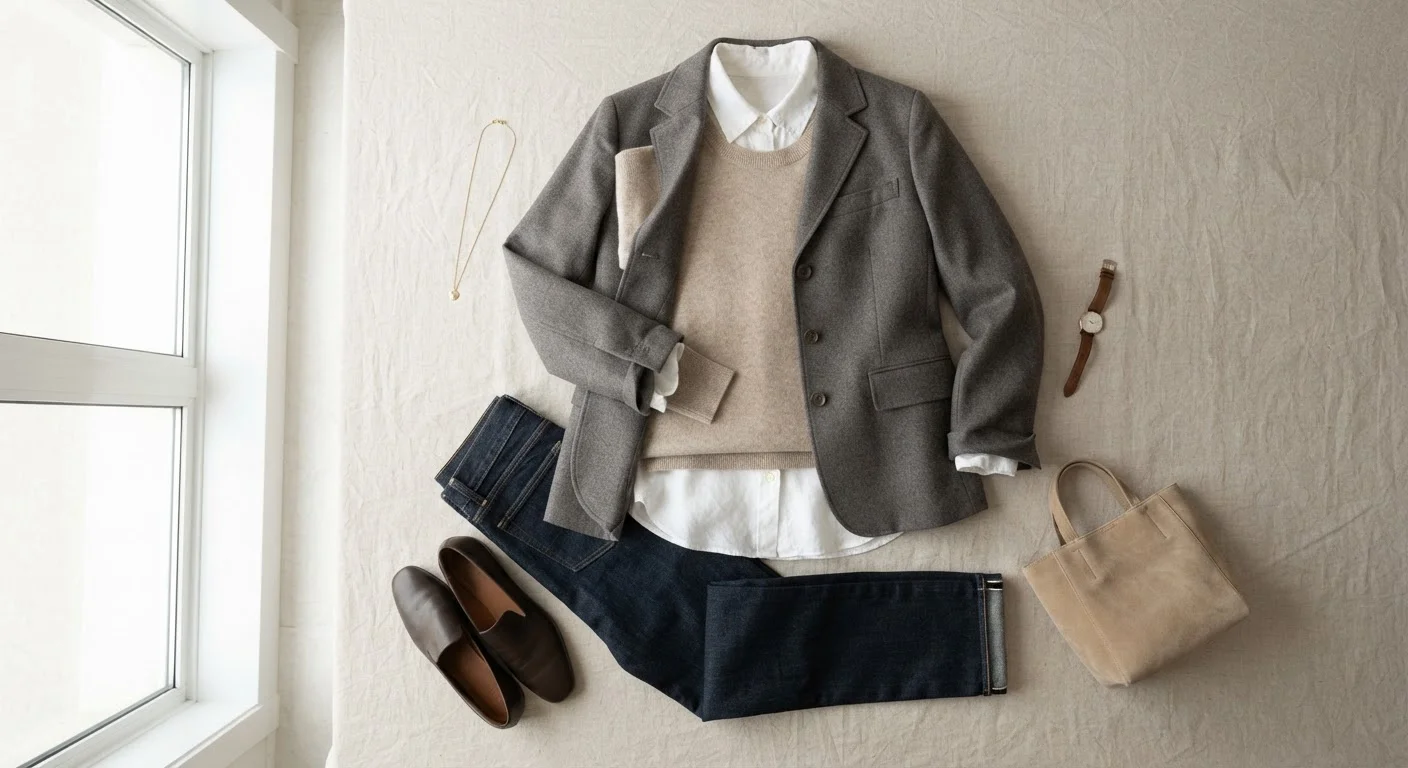
Photo: UnlockTopics.com | Unlocking Trending Content editorial
Key Takeaways
- Layering is a functional year-round strategy, not just an autumn styling trick.
- The right fabric choices determine whether layers feel polished or bulky.
- Layering extends the life of individual wardrobe pieces by making them more seasonally flexible.
- Mastering proportion is the key to avoiding the over-bundled look.
- Transitional layering works best when built around a core set of versatile base pieces.
Adapts to temperature swings throughout the day
A single outfit can function across a chilly morning commute, a heated indoor environment, and a mild afternoon — without requiring a change of clothes.
Extends the seasonal range of individual pieces
A summer dress worn over a fitted turtleneck becomes a legitimate autumn option. Layering multiplies the effective use-period of items you already own.
Increases outfit combinations from fewer total items
A wardrobe of well-chosen, compatible pieces produces exponentially more combinations when layering is the default approach, reducing the pressure to constantly buy new.
Adds visual depth and intentional styling
Contrasting textures and proportions — a chunky knit over a crisp shirt, a slip dress over a fitted long-sleeve — create visual interest that single-layer outfits can rarely replicate.
Reduces dependence on seasonal wardrobe swaps
Many pieces move between seasons when used as layers, minimizing the storage, sorting, and shopping effort that full seasonal rotations typically require.
Requires intentional fabric and weight pairing
Layering incompatible fabrics — stiff denim over a bulky knit, for example — creates visual and physical bulk rather than polish. Developing the judgment to avoid this takes time and trial.
Proportion mistakes are easy and visible
A layer that cuts the silhouette in the wrong place or adds volume where none is wanted can make an otherwise thoughtful outfit look unresolved. This is a real skill, not a guaranteed outcome.
Can lead to over-purchasing 'layering pieces'
The concept of building a layering wardrobe can rationalize acquiring more thin knits, shirts, and transitional jackets than any person realistically needs. Without discipline, it increases wardrobe clutter.
Warm-weather layering is physically limited
In genuinely hot weather, adding any layer raises core body temperature. Lightweight fabrics help, but layering has a practical ceiling in high heat and humidity.
Morning outfit planning takes longer
Constructing a multi-piece outfit that works visually and functionally across a full day demands more decision-making than pulling on a single outfit. For some, this daily effort isn't sustainable.
Why Layering Deserves a Year-Round Strategy
Most conversations about layering center on autumn — the period when temperatures swing wildly between morning and afternoon. But treating layering as a seasonal trick sells the approach short. When executed with intention, layering is a structural philosophy that makes any wardrobe more responsive, economical, and considered.
The core idea is straightforward: instead of dressing for one fixed temperature, you dress for a range. A lightweight cotton tank, a fitted long-sleeve top, and a relaxed blazer can cover an air-conditioned office, a sunny lunch outside, and a cool evening commute — without requiring three outfit changes or three separate shopping trips.
This is where the gap between runway styling and everyday dressing often closes. Runway shows have long used layering as a visual and conceptual tool, but the practical logic translates directly to real life: more combinations from fewer pieces, more flexibility with less bulk. For anyone building a wardrobe from scratch, layering principles are among the most useful frameworks to internalize early.
The Real Advantages of Layering Year-Round
Understanding the practical upside of layering helps distinguish it from styling advice that sounds good but rarely survives contact with Monday morning.
Adapts to temperature swings throughout the day
A single outfit can function across a chilly morning commute, a heated indoor environment, and a mild afternoon — without requiring a change of clothes.
Extends the seasonal range of individual pieces
A summer dress worn over a fitted turtleneck becomes a legitimate autumn option. Layering multiplies the effective use-period of items you already own.
Increases outfit combinations from fewer total items
A wardrobe of well-chosen, compatible pieces produces exponentially more combinations when layering is the default approach, reducing the pressure to constantly buy new.
Adds visual depth and intentional styling
Contrasting textures and proportions — a chunky knit over a crisp shirt, a slip dress over a fitted long-sleeve — create visual interest that single-layer outfits can rarely replicate.
Reduces dependence on seasonal wardrobe swaps
Many pieces move between seasons when used as layers, minimizing the storage, sorting, and shopping effort that full seasonal rotations typically require.
~30%
Average wardrobe items never worn
Research from various consumer wardrobe studies consistently suggests a significant portion of owned clothing goes unworn each year, underscoring the value of building versatile, cross-season pieces.
3–5x
Outfit combinations from layerable pieces
Style educators and wardrobe consultants commonly cite that a core set of mix-and-match layer-friendly pieces can generate several times more outfit options than an equivalent number of single-use items.
Fabric choice is where most of these advantages either hold up or collapse. Lightweight layers in breathable materials — a fine merino wool, a silk-blend cami, a structured linen shirt — stack without adding significant thermal mass. Compare this to heavier fabrics, which compound quickly and can make even two layers feel oppressive. The seasonal crossover potential explored in autumn textures vs spring fabrics illustrates how material selection drives the whole equation.
The Honest Downsides Worth Knowing
Layering isn't a universally simple upgrade. Several real friction points deserve acknowledgment before you restructure your entire wardrobe around the approach.
Requires intentional fabric and weight pairing
Layering incompatible fabrics — stiff denim over a bulky knit, for example — creates visual and physical bulk rather than polish. Developing the judgment to avoid this takes time and trial.
Proportion mistakes are easy and visible
A layer that cuts the silhouette in the wrong place or adds volume where none is wanted can make an otherwise thoughtful outfit look unresolved. This is a real skill, not a guaranteed outcome.
Can lead to over-purchasing 'layering pieces'
The concept of building a layering wardrobe can rationalize acquiring more thin knits, shirts, and transitional jackets than any person realistically needs. Without discipline, it increases wardrobe clutter.
Warm-weather layering is physically limited
In genuinely hot weather, adding any layer raises core body temperature. Lightweight fabrics help, but layering has a practical ceiling in high heat and humidity.
Morning outfit planning takes longer
Constructing a multi-piece outfit that works visually and functionally across a full day demands more decision-making than pulling on a single outfit. For some, this daily effort isn't sustainable.
The steepest learning curve tends to be proportion. Adding a layer over or under an existing outfit changes silhouette — sometimes in ways that read as intentional and refined, sometimes in ways that simply look shapeless. Getting this right takes practice and often means editing what you already own rather than adding more. A periodic wardrobe audit is genuinely useful here, helping identify which existing pieces actually function as versatile layers and which just add clutter.
Building a Layering Wardrobe Without Starting Over
The most common mistake people make when adopting a layering approach is treating it as a reason to buy more. It isn't. Effective layering is about compatibility — pieces that work across multiple combinations — rather than volume.
The Layering Hierarchy Worth Knowing
Start by identifying what already functions as a mid-layer in your wardrobe: structured shirts, fine knits, lightweight jackets. These are typically the most versatile items you own. Then assess your base layers — fitted tees, tank tops, thin long-sleeves — for quality and fit, since they anchor every combination above them.
The goal of capsule dressing by season aligns closely here: a smaller set of pieces with high cross-compatibility outperforms a larger wardrobe of single-use items. And for those feeling the pressure to keep up with seasonal trend cycles, a layering-first mindset pairs naturally with stepping back from trend chasing altogether.
The content on this site is for informational purposes only and is not a substitute for professional advice. Always consult a qualified professional for guidance specific to your situation.