
Building a Wardrobe from Scratch: Where to Actually Start

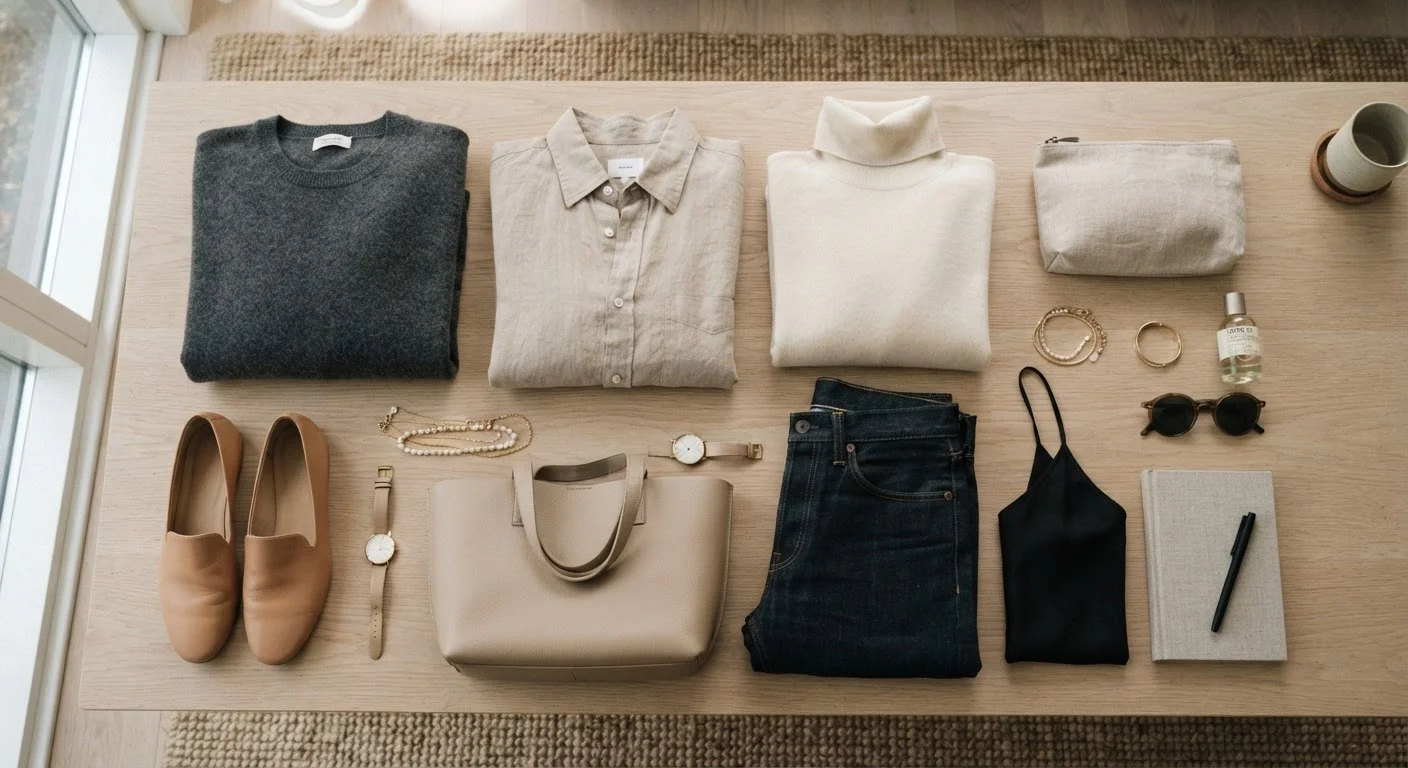
Photo: UnlockTopics.com | Unlocking Trending Content editorial
Key Takeaways
- A functional wardrobe starts with understanding your actual daily life, not trend forecasts.
- Neutral-toned, versatile basics form the structural foundation every wardrobe needs first.
- Personality and trend pieces layer on top of foundations — not in place of them.
- Buying fewer, more intentional pieces consistently outperforms reactive bulk shopping.
- A wardrobe audit before you buy anything prevents duplicating what you already own.
Why Starting from Scratch Is Actually an Advantage
Most people don't get to build a wardrobe with a clean slate — they inherit a collection of accumulated impulse buys, ill-fitting gifts, and former selves. If you're starting fresh, that's a rare opportunity to make deliberate decisions instead of inheriting chaos.
A wardrobe built intentionally from the beginning is significantly easier to maintain, easier to dress from daily, and more resistant to trend-driven overconsumption. The goal isn't a magazine-ready closet — it's a working system that fits your life. This guide treats it as exactly that: a practical build, not a style transformation.
Clarify Your Life Before You Clarify Your Style
The single most common mistake in wardrobe building is starting with aesthetics rather than logistics. Before selecting any piece, map out the actual contexts your clothes need to serve.
Ask yourself: How many days a week do you work, and what does that environment require? How often do you dress casually versus for occasions? What's your climate like across seasons? These answers determine your wardrobe's proportions — how much should be workwear versus weekend wear, how many layers you genuinely need.
Foundation pieces
Versatile, high-frequency wardrobe items in neutral tones that pair easily with most other clothing. They form the structural backbone of a working wardrobe.
Capsule wardrobe
A deliberately small, curated set of clothing items designed to work together in many combinations. The aim is maximum outfit variety from minimum pieces.
Cost per wear
A way of thinking about clothing value by dividing the price of a piece by how often you'll realistically wear it. Higher frequency lowers the effective cost over time.
Wardrobe audit
A structured review of everything currently in your wardrobe to identify what fits, what works, what can be removed, and what gaps remain before buying anything new.
Silhouette
The overall shape and outline a garment creates on the body. Silhouette is one of the primary visual factors that determines whether a piece looks current or dated.
This life-mapping step is what separates a wardrobe that works from one that looks good in theory but frustrates you in practice. If you're rebuilding rather than starting entirely fresh, a wardrobe audit is the right first move before any new purchases.
The Foundation Layer: What to Build First
Once you understand your life's demands, the foundation layer — the pieces that anchor everything else — becomes clear. These are typically neutral-toned, versatile, and cut in silhouettes that work across multiple contexts.
Common foundation categories include well-fitted trousers or jeans in one or two neutral tones, a handful of plain tops in white, black, and grey, a structured outer layer (a blazer or a simple jacket), and at least one pair of flat shoes that work across casual and semi-formal settings. The specifics vary by lifestyle, but the principle holds: foundations are high-frequency pieces that pair with almost anything.
Start With Three Neutral Bottoms
For a closer look at which specific item types appear across wardrobes of every style and budget, see our breakdown of foundational wardrobe pieces. The goal in this phase is coverage and coordination, not character.
How to Layer In Personality Without Losing Versatility
Once your foundation is functional, you can begin adding pieces that reflect personal taste — colour, pattern, texture, silhouette interest. This is the phase most people want to start with, which is why so many wardrobes end up full but unwearable.
Personality pieces work best when they can connect back to at least two or three of your foundation items. A printed blouse that pairs with your neutral trousers and your structured blazer earns its place. A statement piece that only works with one specific outfit is a closet dead-end.
Layering is one of the most practical tools for extending a limited wardrobe across seasons and contexts. Our guide to layering as a year-round strategy covers how to make this work beyond autumn dressing.
Common Pitfalls When Building a Wardrobe
Even with the best intentions, a few patterns consistently derail wardrobe builds:
- Shopping by mood rather than by gap: Buying what you're drawn to in the moment without checking what you actually need leads to imbalanced wardrobes — ten tops, two bottoms.
- Treating all categories equally: Not every item deserves the same investment. High-frequency basics wear harder and benefit more from quality construction. Occasion pieces worn rarely can be sourced more economically.
- Ignoring fit: A well-cut piece in an inexpensive fabric almost always outperforms a premium piece in a poor fit. Fit is the single greatest determinant of how polished any outfit looks.
- Skipping the audit step: Adding pieces before understanding what you already own leads to duplication and wasted decisions. If you have an existing wardrobe to work from, organising it methodically first will clarify the gaps quickly.
This article provides general style guidance for informational purposes only. Individual needs, preferences, and budgets vary — treat these frameworks as starting points rather than prescriptions.
Frequently Asked Questions
The content on this site is for informational purposes only and is not a substitute for professional advice. Always consult a qualified professional for guidance specific to your situation.