
Skincare Layering: Why the Order You Apply Products Matters

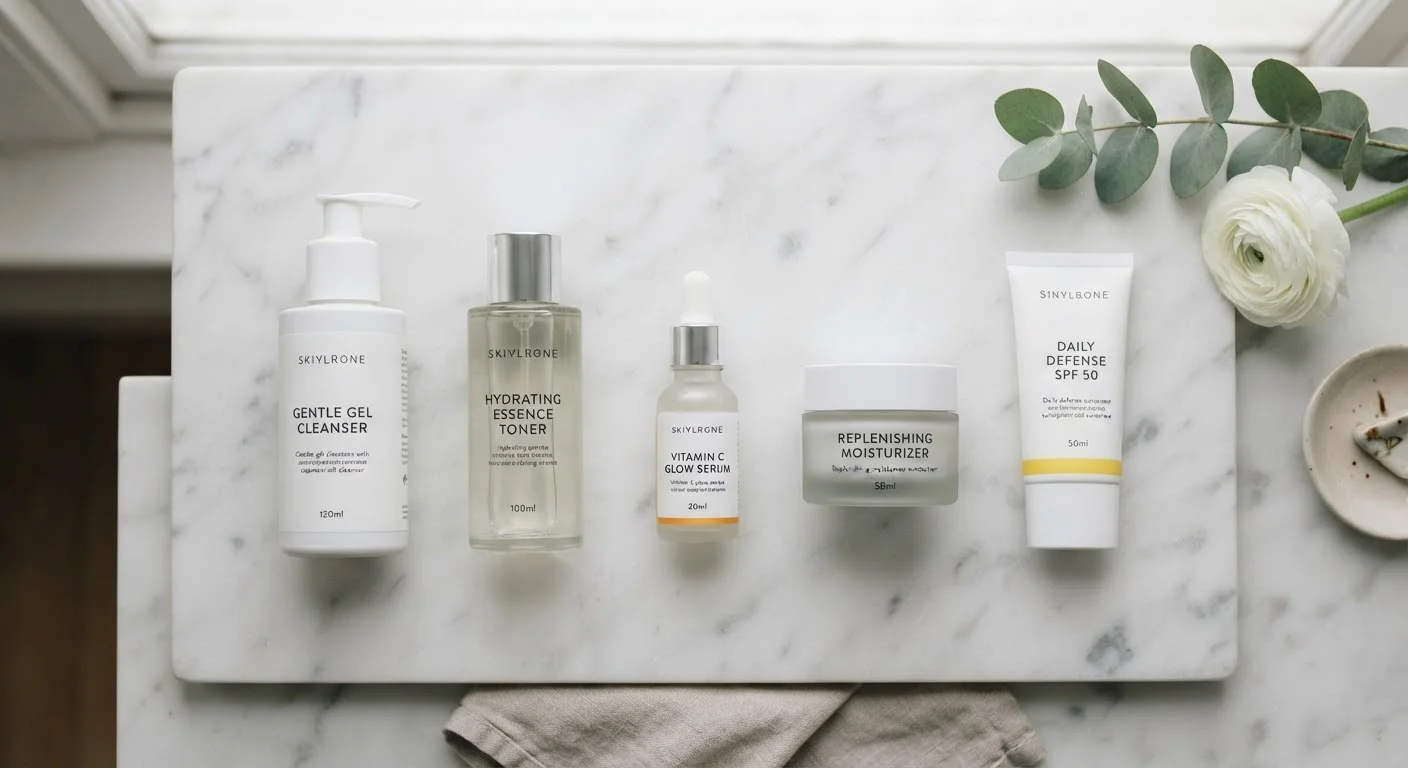
Photo: UnlockTopics.com | Unlocking Trending Content editorial
Key Takeaways
- Apply skincare from thinnest to thickest texture for maximum absorption of each product.
- Active ingredients like vitamin C and retinol need direct skin contact to work effectively.
- Sunscreen always goes last in a morning routine — after moisturiser, never underneath it.
- Certain ingredient combinations (e.g. retinol and AHAs) can cause irritation and are best used separately.
- Waiting 30–60 seconds between layers gives each product time to partially absorb before the next is applied.
The Logic Behind Layering Order
Most skincare products are formulated with a specific purpose: to deliver an active ingredient to a particular layer of skin. Whether that ingredient reaches its target depends heavily on what's already sitting on the surface when you apply it. This is the core reason layering order matters — it's not arbitrary ritual, it's basic cosmetic science.
Water-based products have smaller molecules and need an unobstructed path to absorb. Oil-based products and emollients (substances that soften and smooth the skin) create a film over the skin that effectively seals in whatever is beneath them. Once that barrier is in place, applying a lightweight serum on top means its active ingredients largely sit on the surface rather than penetrating it.
The universal principle: start with the thinnest, most fluid textures and finish with the thickest. This framework applies whether you're running a two-step routine or a full seven-step regimen. If you're building a morning routine from scratch, this sequencing logic is the single most useful concept to internalize first.
The 30-Second Rule Between Layers
The Standard Layering Sequence
While individual routines vary, the following sequence reflects the general consensus among skincare professionals and reflects the thin-to-thick principle:
- Cleanser — Always the first step; removes surface debris so subsequent products aren't working through a layer of buildup.
- Toner — Applied to damp skin after cleansing; balances the skin's surface and primes it for absorption.
- Essence or ampoule (if used) — Ultra-lightweight hydrating or treatment liquids go before serums.
- Serum — Concentrated actives like vitamin C, niacinamide, or hyaluronic acid are applied directly to skin for maximum contact and absorption.
- Eye cream — Typically applied before moisturiser, as the formulas tend to be lighter.
- Moisturiser — Seals in the layers beneath and supports the skin barrier.
- Face oil (if used) — Goes after moisturiser, not before, because oil does not absorb through water-based products.
- Sunscreen — The final step every morning; applied last to form an uninterrupted protective layer on the surface.
For evening routines, sunscreen is omitted, and treatments like retinol are introduced. For an in-depth look at how retinol fits into this sequence, see retinol usage principles and precautions.
~30–60s
Recommended wait time between skincare layers
Cosmetic chemists generally suggest a brief pause between steps to allow partial absorption before the next product is applied.
pH 3.5
Typical pH range for effective vitamin C serums
L-ascorbic acid formulations are most stable and active at low pH levels, which is why they're applied before higher-pH products like moisturiser.
7 steps
Average steps in a full Korean-style skincare routine
The multi-step Korean skincare approach popularized layering as a concept in the Western beauty market over the past decade.
Ingredient Interactions Worth Knowing
Layering order isn't only about texture — it's also about ingredient chemistry. Some active ingredients are destabilized or made more irritating when applied immediately after one another. A few important pairings to be aware of:
- Vitamin C (L-ascorbic acid) and niacinamide: Earlier concerns about this combination causing flushing have largely been revisited — most modern formulations contain concentrations that don't cause issues — but if you notice redness, spacing them out is a practical fix.
- Retinol and AHAs/BHAs: Chemical exfoliants (like glycolic acid or salicylic acid) and retinol used in the same session can cause significant irritation, particularly for those new to either ingredient. Using one in the morning and the other in the evening — or alternating nights — is a commonly recommended approach. See how chemical exfoliants work on skin for more context.
- Benzoyl peroxide and retinol: These can deactivate each other when applied together; separating them into AM and PM use is the standard guidance.
Fragrance and Sensitised Skin
Uncertainty about your specific combination of products? A routine audit is a useful way to evaluate whether your current approach is working — or creating unintended conflicts.
Common Layering Mistakes That Undermine Results
Even a well-chosen product lineup can underperform if a few common errors creep into application habits:
Applying sunscreen underneath moisturiser. Sunscreen needs to sit on top of your skin's surface to create an effective barrier. Layering moisturiser on top dilutes and disrupts the protective film. Sunscreen always goes last in a daytime routine — for a closer look at how formulation affects protection, see the difference between SPF moisturisers and standalone sunscreen.
Rushing through layers without pause. Applying one product immediately on top of another can cause pilling (where product balls up on the surface) and reduces absorption time. A brief pause between steps makes a practical difference.
Using face oil before water-based serums. This is one of the most common mistakes. Oil creates a barrier — intentionally after a water-based serum, but counterproductively if it comes first.
Over-layering for its own sake. More products do not always mean better results. A focused, well-sequenced four-step routine typically outperforms a poorly ordered ten-step one. If your moisturiser has stopped feeling effective, layering order is one of the first variables worth re-examining.
Frequently Asked Questions
The content on this site is for informational purposes only and is not a substitute for professional advice. Always consult a qualified professional for guidance specific to your situation.