
Building a Morning Skincare Routine from Scratch

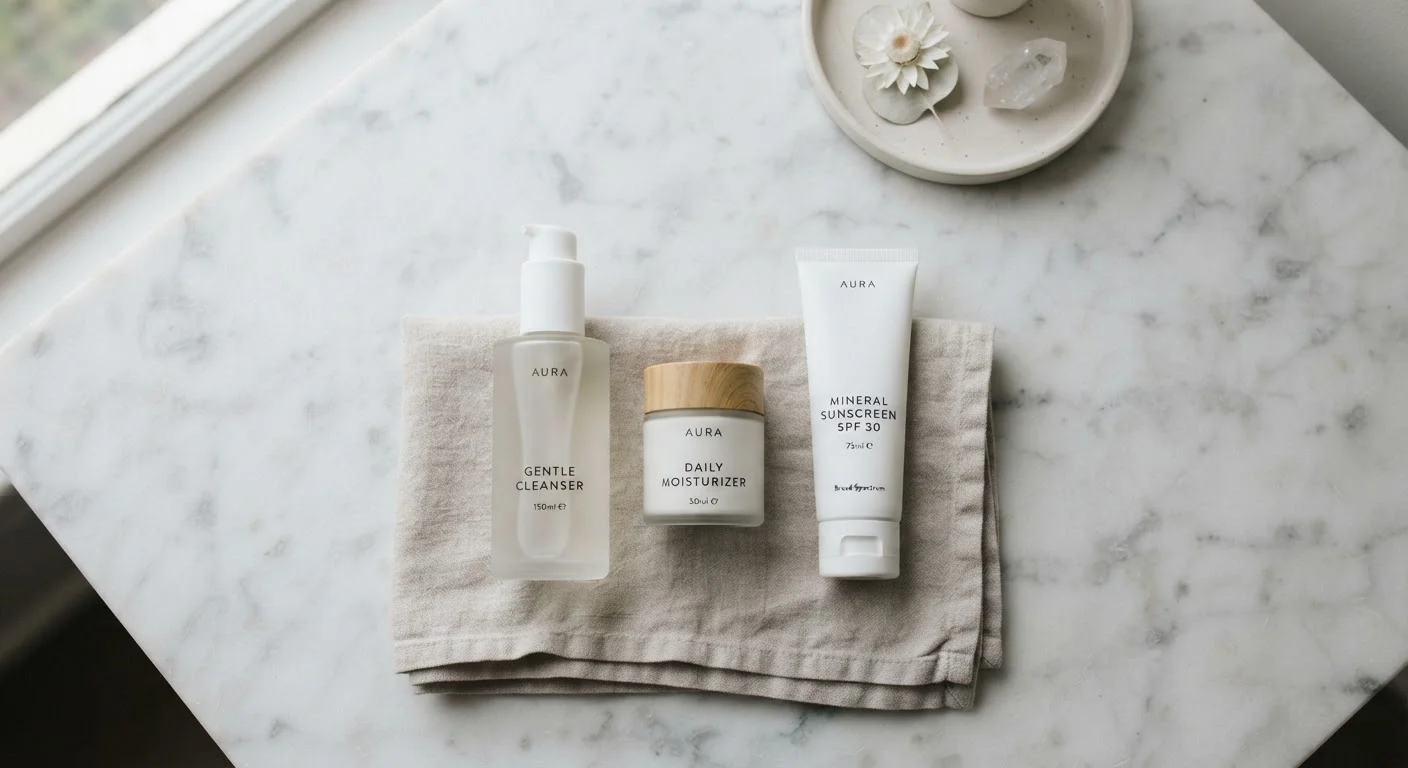
Photo: UnlockTopics.com | Unlocking Trending Content editorial
Key Takeaways
- A morning skincare routine needs only four core steps: cleanse, treat, moisturize, and protect.
- Sunscreen is the single most impactful step — skip it and other products lose their value.
- Knowing your skin type before purchasing products saves money and prevents irritation.
- Introducing too many new products at once makes it impossible to identify what's working.
- Consistency over days and weeks matters far more than using expensive products.
Why a Morning Routine Is Worth Building
Skincare can feel overwhelming when you're starting from zero — shelves of products, conflicting advice, and no clear entry point. The good news: an effective morning routine doesn't require a cabinet full of steps. It requires a short, consistent sequence that primes your skin for the day ahead.
Morning skin care serves a specific purpose: protecting the skin barrier against daily stressors — UV exposure, environmental pollution, and moisture loss. A targeted AM routine is deliberately different from an evening one. If you're curious how they compare, our guide on the evening skincare routine breaks down what changes at night and why.
Building any new daily habit is easier when you understand the why behind each step. That principle applies just as much to skincare as it does to building a fitness routine from scratch.
The Core Four: Essential Steps for Every Skin Type
Regardless of skin type, a functional morning routine revolves around four steps, applied in a specific order.
Skin barrier
The outermost layer of your skin that acts as a protective shield, keeping moisture in and irritants out. Harsh cleansers and over-exfoliation can disrupt it.
Broad-spectrum SPF
A sunscreen that protects against both UVA rays (linked to aging and pigmentation) and UVB rays (linked to burning). Look for this label when choosing a daily sunscreen.
Serum
A lightweight, concentrated formula designed to deliver active ingredients deeper into the skin. Serums target specific concerns like hydration, brightness, or fine lines.
Skin type
A general classification — oily, dry, combination, normal, or sensitive — describing how your skin typically behaves and produces oil. Knowing yours helps you select appropriate products.
Active ingredient
A functional ingredient in a skincare product that produces a specific effect on the skin, such as vitamin C for antioxidant protection or hyaluronic acid for hydration.
- Cleanse: Use a gentle, non-stripping face wash to remove overnight oil and sweat. Avoid harsh foaming formulas that leave skin feeling tight — that sensation signals disruption to your skin barrier.
- Treat (optional at first): A serum addresses a specific concern — hydration, uneven tone, or early signs of aging. This step is optional for beginners; the other three are not.
- Moisturize: Even oily skin benefits from a lightweight moisturizer. Skipping this step causes the skin to overcompensate by producing more oil. Look for formulas suited to your skin type — gel textures for oilier skin, cream textures for drier.
- Protect: Sunscreen is the non-negotiable closer of every morning routine. Broad-spectrum SPF 30 or higher guards against both UVA and UVB rays — the primary external drivers of premature skin aging and uneven pigmentation.
The sequence matters as much as the products themselves. For a deeper dive into why order affects results, see our article on skincare layering and product order.
Make Sunscreen the Last Step You Never Skip
Understanding Your Skin Before You Buy Anything
Purchasing products before understanding your skin type is one of the most common — and costly — beginner mistakes. The five generally recognized skin types are: normal, oily, dry, combination, and sensitive. Each responds differently to ingredients and textures.
A straightforward way to identify your skin type: wash your face with a gentle cleanser and wait 30–60 minutes without applying anything. Then observe. If your skin feels tight and looks flaky, it skews dry. If it looks uniformly shiny, it's likely oily. If shine is concentrated in the T-zone (forehead, nose, chin) with drier cheeks, you're probably combination.
Sensitive Skin Needs Extra Caution
Skin behavior also shifts with seasons, age, climate, and lifestyle — so check in periodically rather than assuming your type is fixed. Once you have a routine established, the skincare routine audit guide can help you evaluate whether it's still working as your skin evolves.
Optional Add-Ons: When to Introduce More Steps
Once the core four feel habitual — typically after four to six weeks — you can consider adding targeted steps. Common additions include:
- Vitamin C serum: An antioxidant that helps defend against environmental damage and can support a more even skin tone over time. Applied after cleansing, before moisturizer.
- Toner or essence: Can add a layer of hydration or help balance skin pH, though these steps are genuinely optional for many skin types.
- Eye cream: The skin around the eyes is thinner and may benefit from a dedicated, gentler formula — though a fragrance-free moisturizer applied carefully can serve a similar function.
Introduce one new product at a time, with at least one to two weeks between additions. This pacing lets you identify whether any product is causing a reaction. You can also explore how chemical exfoliants compare to physical scrubs — though exfoliation generally belongs in the evening or as an occasional step, not a daily morning one.
Common Beginner Mistakes to Avoid
Even a well-chosen product lineup can underperform if the habits around it are off. Watch for these patterns:
- Skipping sunscreen on cloudy days: UVA rays penetrate cloud cover and glass. Daily application is the standard recommendation regardless of visible sunshine.
- Over-cleansing: Washing your face more than twice daily — or using overly stripping formulas — can compromise the skin barrier and trigger breakouts or excess oiliness.
- Layering too many actives too soon: Ingredients like acids, vitamin C, and retinol (the latter reserved for evenings) can irritate skin when introduced simultaneously. Patience with your introduction pace pays off.
- Judging results too quickly: Expecting visible change within days sets up unrealistic expectations. Most dermatologists recommend assessing a new routine after a full skin cycle — roughly four to six weeks.
Building any effective personal routine — whether for skin, fitness, or mental wellness — relies on the same principle: start simple, stay consistent, and adjust based on evidence rather than impulse.
This article is for general informational purposes only and does not constitute medical or dermatological advice. Consult a qualified dermatologist or healthcare professional for guidance specific to your skin concerns or conditions.
Frequently Asked Questions
The content on this site is for informational purposes only and is not a substitute for professional advice. Always consult a qualified professional for guidance specific to your situation.