
Indoor vs. Outdoor Cats: The Health Trade-Offs Worth Understanding

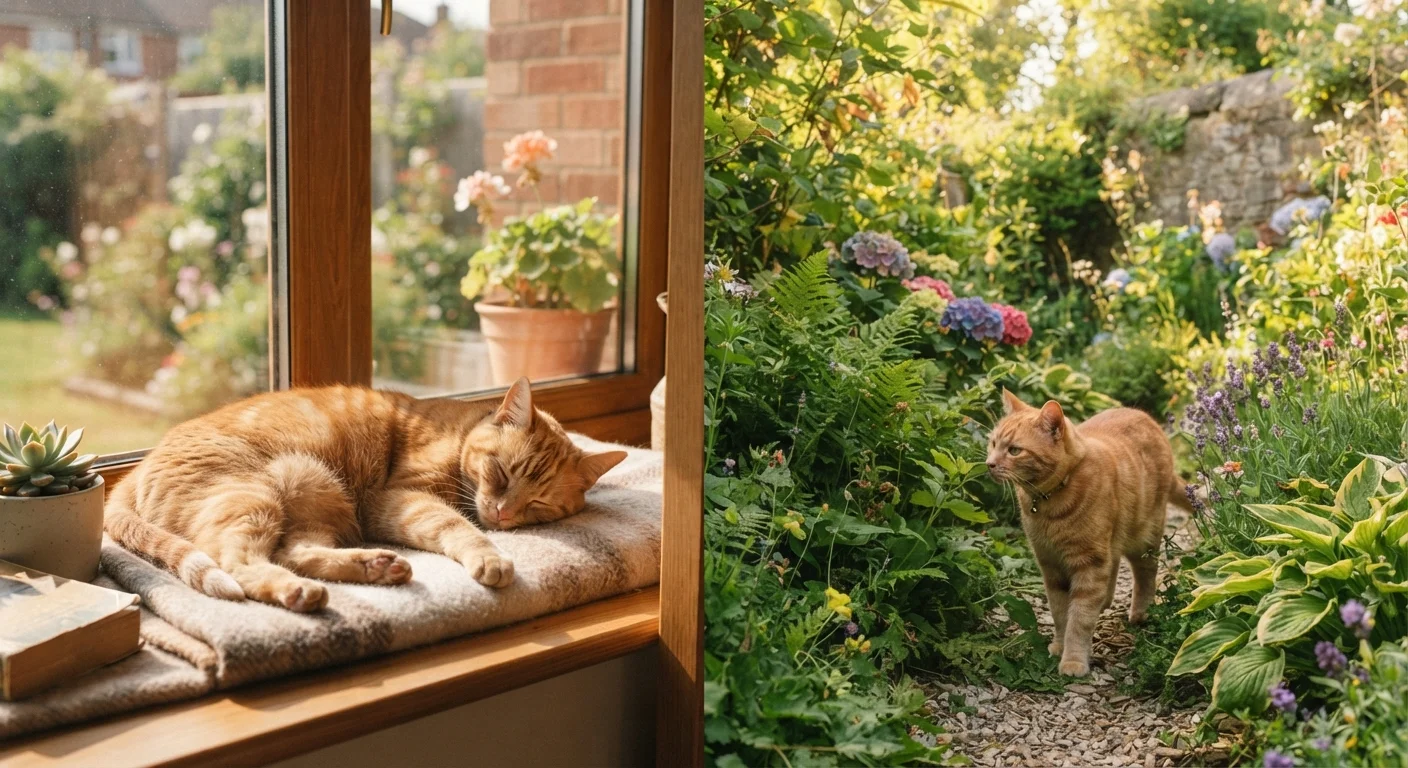
Photo: UnlockTopics.com | Unlocking Trending Content editorial
Key Takeaways
- Indoor cats generally live longer on average but face higher risks of obesity and boredom-related stress.
- Outdoor cats experience more physical stimulation but are exposed to infectious disease, predators, and traffic.
- Preventive veterinary care — vaccinations, parasite control — is critical regardless of lifestyle.
- A cat's individual temperament and health history should shape the indoor-outdoor decision.
- Enriched indoor environments and supervised outdoor access can help balance safety and stimulation.
Dramatically reduced risk of traumatic injury
Indoor cats avoid traffic, dog attacks, and territorial fights — among the most common causes of serious injury and death in free-roaming cats.
Lower exposure to infectious disease
Diseases like FeLV, FIV, and upper respiratory infections spread through contact with other cats; indoor-only cats have minimal exposure to infected animals.
Fewer parasites requiring treatment
Without outdoor exposure, cats are far less likely to pick up fleas, ticks, ear mites, or intestinal parasites, reducing both health risk and treatment burden.
Longer average lifespan
Studies consistently suggest indoor cats live significantly longer on average than outdoor cats, largely due to reduced exposure to acute hazards.
No risk from outdoor toxins or prey
Rodenticides, antifreeze, toxic plants, and prey animals carrying disease or poisons pose no threat to cats that remain inside.
Higher risk of obesity and related disease
Outdoor cats typically burn more calories through daily activity, keeping them leaner; reduced exercise combined with unrestricted feeding is a common driver of weight gain in indoor cats.
Greater exposure to parasites and infectious disease
Contact with soil, wildlife, stray cats, and other animals makes outdoor cats significantly more vulnerable to fleas, ticks, worms, FeLV, and FIV.
Serious risk of trauma from vehicles and predators
Road traffic and encounters with dogs or wildlife are leading causes of acute injury and premature death among outdoor and indoor-outdoor cats.
Shorter average lifespan
Free-roaming cats face compounding hazards that, on average, reduce their life expectancy compared to cats kept exclusively indoors.
Potential for getting lost or stolen
Outdoor cats that roam freely are more likely to become disoriented, enter other territories, or be mistaken for strays — all of which can result in permanent separation from their owner.
Why This Decision Matters More Than You Might Think
The question of whether to keep a cat indoors, allow outdoor access, or find a middle ground is one of the most consequential everyday decisions a cat owner faces. It shapes everything from how often your cat visits the vet to how long they're likely to live. And yet it's often made casually, based on habit or convenience rather than a clear-eyed look at the evidence.
This article lays out the health trade-offs on both sides — not to judge any particular choice, but to help you make an informed one. For a broader look at how environment shapes animal wellbeing across species, see our guide to indoor vs. outdoor living for pets.
10–15 yrs
Average indoor cat lifespan
Veterinary sources generally cite indoor cats living 10–15 years on average, compared to estimates as low as 2–5 years for free-roaming outdoor cats in some urban studies.
~50%
Estimated US cats kept primarily indoors
Surveys by the American Pet Products Association have found roughly half of domestic US cats live primarily or exclusively indoors.
The Case for Keeping Cats Indoors
Indoor cats are significantly shielded from a range of acute and chronic health threats. Traffic, predator attacks, exposure to toxins, and infectious diseases transmitted by other animals are all substantially reduced when a cat stays inside. These are not minor risks — they are leading causes of early death and serious injury in free-roaming cats.
Dramatically reduced risk of traumatic injury
Indoor cats avoid traffic, dog attacks, and territorial fights — among the most common causes of serious injury and death in free-roaming cats.
Lower exposure to infectious disease
Diseases like FeLV, FIV, and upper respiratory infections spread through contact with other cats; indoor-only cats have minimal exposure to infected animals.
Fewer parasites requiring treatment
Without outdoor exposure, cats are far less likely to pick up fleas, ticks, ear mites, or intestinal parasites, reducing both health risk and treatment burden.
Longer average lifespan
Studies consistently suggest indoor cats live significantly longer on average than outdoor cats, largely due to reduced exposure to acute hazards.
No risk from outdoor toxins or prey
Rodenticides, antifreeze, toxic plants, and prey animals carrying disease or poisons pose no threat to cats that remain inside.
That said, indoor living introduces its own set of challenges. Without deliberate enrichment, cats can become sedentary, overfed, and understimulated. Boredom and lack of physical activity are directly linked to obesity, which in turn increases risk for diabetes, joint disease, and urinary problems. Check out our pet care basics hub for practical enrichment ideas that support indoor cats day to day.
The Case for Allowing Outdoor Access
Outdoor environments offer cats something no indoor setup can fully replicate: genuine sensory richness and freedom of movement. Hunting behavior, territorial exploration, and variable terrain all support natural physical conditioning and psychological engagement. For some cats — particularly those with high prey drive or a history of outdoor living — access to the outside world may meaningfully improve quality of life.
Higher risk of obesity and related disease
Outdoor cats typically burn more calories through daily activity, keeping them leaner; reduced exercise combined with unrestricted feeding is a common driver of weight gain in indoor cats.
Greater exposure to parasites and infectious disease
Contact with soil, wildlife, stray cats, and other animals makes outdoor cats significantly more vulnerable to fleas, ticks, worms, FeLV, and FIV.
Serious risk of trauma from vehicles and predators
Road traffic and encounters with dogs or wildlife are leading causes of acute injury and premature death among outdoor and indoor-outdoor cats.
Shorter average lifespan
Free-roaming cats face compounding hazards that, on average, reduce their life expectancy compared to cats kept exclusively indoors.
Potential for getting lost or stolen
Outdoor cats that roam freely are more likely to become disoriented, enter other territories, or be mistaken for strays — all of which can result in permanent separation from their owner.
Outdoor cats also tend to be more physically lean, as daily activity burns more calories than typical indoor routines. However, these benefits come at a steep cost in terms of exposure to risk. Parasites such as fleas, ticks, and intestinal worms are far more prevalent in outdoor cats, and diseases like feline leukemia virus (FeLV) and feline immunodeficiency virus (FIV) spread through contact with infected cats. Parasite prevention and up-to-date vaccinations are non-negotiable for any cat with outdoor access — and even well-meaning owners sometimes skip these to their cat's detriment.
Finding a Middle Ground: Supervised and Enriched Options
Many cat owners find that a hybrid approach addresses the core trade-offs on both sides. Leash walking, enclosed catios (outdoor enclosures), and supervised garden time can provide outdoor stimulation while limiting exposure to the most serious threats. These options require more effort and setup, but veterinary and behavioral experts increasingly view them as a sound compromise for cats that show strong interest in the outside world.
Catios: A Growing Middle-Ground Solution
Indoors, intentional enrichment is equally important. Puzzle feeders, climbing structures, interactive play, and window perches with outdoor views can reduce the behavioral and physical consequences of a fully sedentary life. Diet also plays a role: indoor cats often need portion control to avoid gradual weight gain. Our comparison of wet and dry cat food covers how feeding choices interact with activity levels and overall health.
This article is for general informational purposes only and is not a substitute for veterinary advice. Always consult a licensed veterinarian regarding your cat's individual health needs and care decisions.
The content on this site is for informational purposes only and is not a substitute for professional advice. Always consult a qualified professional for guidance specific to your situation.