
Well-Meaning Habits That Can Quietly Harm a Pet's Health

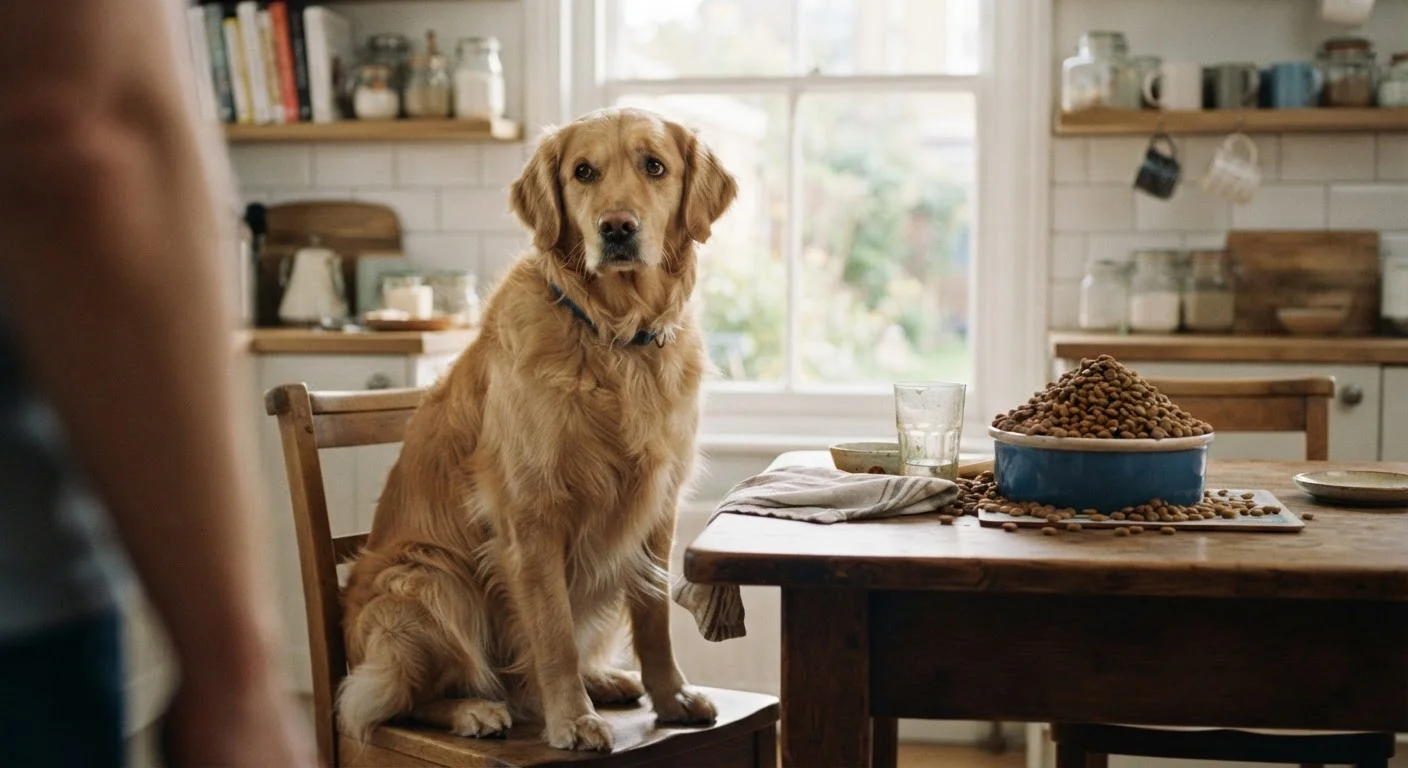
Photo: UnlockTopics.com | Unlocking Trending Content editorial
Key Takeaways
- Overfeeding is one of the most common and consequential mistakes pet owners make, often without realizing it.
- Skipping or delaying parasite prevention leaves pets vulnerable to conditions that are far easier to prevent than treat.
- Routine dental care is frequently overlooked despite being a major driver of systemic health problems in pets.
- Behavioral changes that seem minor — like hiding or eating less — can be early signs of illness worth discussing with a vet.
Why Good Intentions Aren't Always Enough
Most pet owners who make health-undermining decisions aren't being careless — they're operating on incomplete information or assumptions that feel reasonable but don't hold up under scrutiny. Love for an animal can actually work against it when that love is expressed as extra food, skipped vet visits justified by a 'healthy-looking' pet, or a slow tolerance of changes that deserve attention.
The habits covered here aren't about blame. They're about recognizing patterns that are genuinely common, understanding why they develop, and making small, concrete adjustments that compound positively over a pet's lifetime. For a broader self-audit of your current routine, the monthly pet wellness checklist offers a practical starting point.
Feeding more than the recommended amount — or free-feeding without limits — leading to gradual weight gain.
Letting parasite prevention lapse — skipping flea, tick, or heartworm products during months that feel low-risk.
Neglecting oral hygiene — skipping regular tooth brushing or professional dental cleanings.
Dismissing behavioral changes as personality quirks rather than potential health signals.
Skipping annual or semi-annual vet visits because the pet seems fine.
Preventive Care: The Habits That Quietly Compound
Several of the most impactful mistakes in pet health aren't dramatic events — they're quiet omissions that accumulate over months or years. Parasite prevention is a clear example. Owners who pause heartworm or flea prevention during winter often don't see immediate consequences, which reinforces the belief that it was unnecessary. But the risk doesn't disappear with the temperature.
~56%
US dogs and cats classified as overweight or obese
According to the Association for Pet Obesity Prevention's annual survey, more than half of US pets are above their ideal body weight.
80%
Dogs showing signs of dental disease by age 3
Veterinary dental research consistently finds that the majority of dogs develop some degree of periodontal disease by early adulthood.
Dental health follows the same pattern. Periodontal disease is considered one of the most common conditions seen in adult dogs and cats, yet it develops without obvious symptoms until it's well established. By that stage, bacteria in the mouth may already be affecting the kidneys, heart, or liver — organs that aren't monitored at home.
Consistent, season-aware preventive care closes the gaps that reactive care leaves open. And if you're unsure whether your pet's behavior is a health signal or something else, this self-assessment for pet owners can help you think it through before calling the vet.
When in Doubt, Consult Your Vet
This article is for general informational and educational purposes only and does not constitute veterinary or medical advice. Always consult a licensed veterinarian for guidance specific to your pet's health needs.
The content on this site is for informational purposes only and is not a substitute for professional advice. Always consult a qualified professional for guidance specific to your situation.