
Personal Budgeting: A Complete Foundation

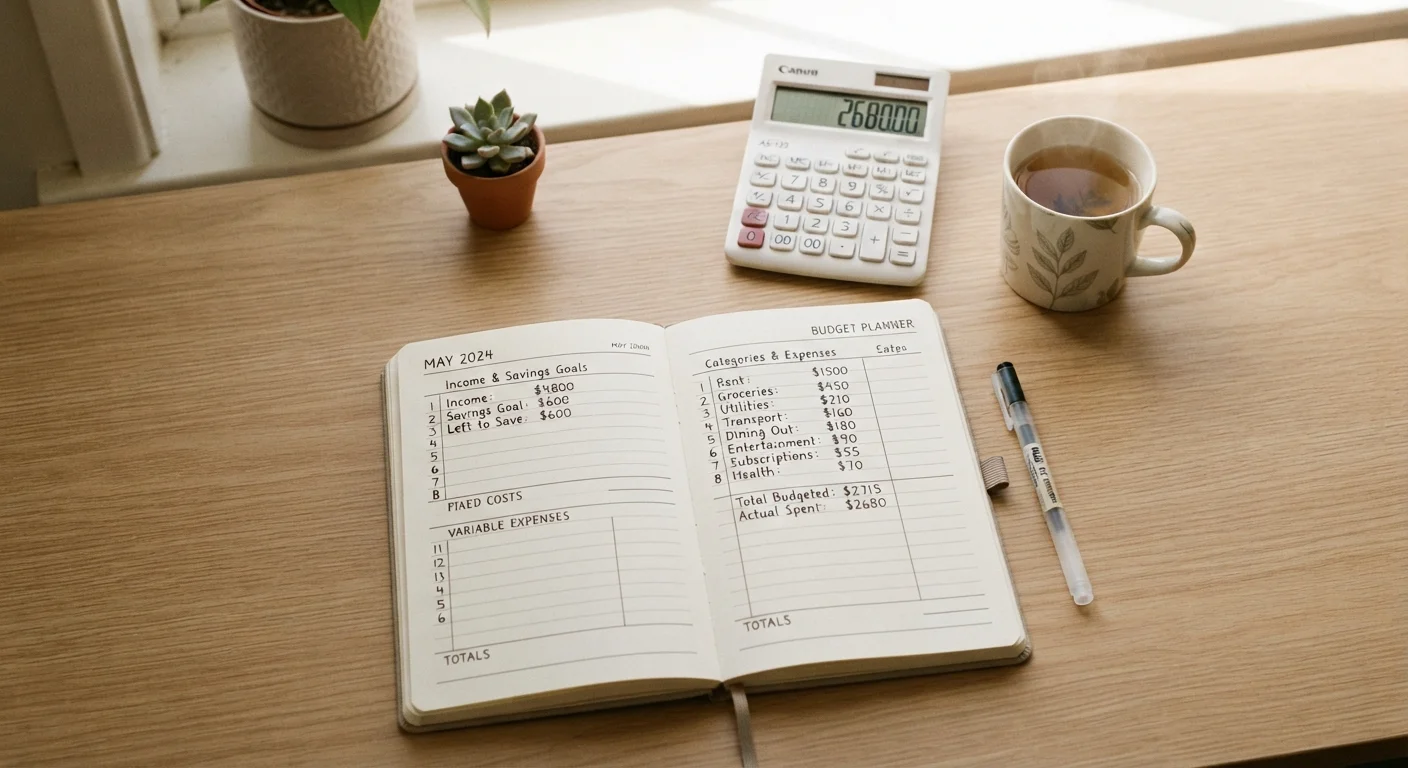
Photo: UnlockTopics.com | Unlocking Trending Content editorial
Key Takeaways
- A budget is a plan for your money - not a punishment or a restriction.
- Knowing your actual take-home income is the essential first step.
- Different budgeting methods suit different income types and lifestyles.
- Small, consistent adjustments outperform trying to build a perfect budget once.
- An emergency fund is the financial safety net a budget helps you build.
- Reviewing your budget monthly keeps it relevant as life changes.
What a Budget Actually Does
A budget is simply a written plan that matches your spending decisions to your available income. It doesn't tell you what you can't have - it tells you what's actually possible given what you earn. That reframe matters, because most people who resist budgeting picture it as a series of restrictions rather than a tool for making deliberate choices.
At its core, a budget answers three questions: How much money comes in? Where does it go? And is what's left (if anything) moving you toward the things you care about?
If you've never built one before, the Your First Personal Budget guide is a good place to start before diving into this overview. And if any terms along the way feel unfamiliar, our budgeting glossary has plain-language definitions ready.
Know Your Numbers First
Before choosing any method or filling in any category, you need two reliable figures: your net income (what actually lands in your account after taxes and withholdings) and your fixed expenses (costs that are the same every month, like rent or a car payment).
Everything else - groceries, dining, subscriptions, entertainment - falls into variable expenses. These shift month to month and are usually where most budgeting decisions happen.
~1 in 3
Americans with a detailed household budget
Gallup polling has consistently found that fewer than one-third of American households maintain a detailed monthly budget.
20%+
Average gap between estimated and actual spending
Consumer finance research suggests people routinely underestimate variable spending - especially on dining and subscriptions - by 20% or more.
To get accurate variable expense figures, look at two to three months of bank or credit card statements. Average your spending in each category. Most people find that their actual spending differs significantly from what they estimated mentally - that gap is exactly why the exercise is worth doing.
Choosing a Budgeting Method
There's no universally correct budgeting method - the right one is the one you'll actually use. Here are the four most widely adopted frameworks:
- 50/30/20: Allocates roughly 50% of net income to needs, 30% to wants, and 20% to savings and debt repayment. Simple and flexible, but may not suit very low or very high incomes equally well.
- Zero-based budgeting: Every dollar is assigned a job until income minus expenses equals zero. Highly intentional, but requires consistent effort each month.
- Envelope method: Cash (or digital equivalents) is divided into labeled spending categories. When an envelope is empty, spending in that category stops for the month.
- Pay-yourself-first: Savings are moved out automatically at the start of the month; you spend what remains. Works well for people who struggle to save what's left over.
For a deeper look at how these compare, see our budgeting frameworks comparison.
Start with the method that feels least overwhelming, not the one that looks most thorough. A simple system you'll use every month beats a detailed one you abandon by week two.
If your income varies month to month, budget from your lowest recent month's income - then treat any extra as a bonus to allocate intentionally.
Building Your First Budget
Once you've chosen a method, building your budget follows a consistent sequence:
- List all income sources - salary, freelance work, side income. Use net (after-tax) figures.
- List fixed expenses - rent, insurance, loan payments, utilities with predictable costs.
- List variable expenses by category - use past statements, not guesses.
- Assign savings and debt goals - treat these as line items, not afterthoughts.
- Check the balance - if expenses exceed income, identify which variable categories can flex down.
For a full step-by-step walkthrough, the Building a Monthly Budget From Scratch guide covers each stage in detail.
One of the most impactful budget line items is an emergency fund contribution. Even a small, regular transfer adds up over time and provides a buffer that prevents one unexpected cost from derailing everything else. See why an emergency fund changes everything for more context.
Make Your Savings Contribution Non-Negotiable
Staying on Track After Day One
Building the budget is the easier half. Maintaining it is where most people falter. A few habits make consistency much more likely:
- Weekly check-ins (10 minutes): Scan what's been spent against each category. Catching overspending mid-month lets you adjust; catching it at month-end doesn't.
- Monthly resets: Review the prior month, update any categories that are consistently off, and set the new month's numbers. Life changes - your budget should too.
- Automate where you can: Automatic transfers to savings remove the temptation to spend money that should be set aside.
“A budget is telling your money where to go instead of wondering where it went.”
— John C. Maxwell, Author and leadership speaker
When variable expenses like groceries or household supplies run over budget, it's often worth checking whether your shopping habits can be adjusted before cutting other categories.
Common Budgeting Pitfalls
Knowing what trips people up can save a lot of frustration:
- Forgetting irregular expenses
- Annual fees, car registration, holiday gifts, and medical copays don't appear monthly - but they will appear. Build a sinking fund (a separate savings pool) for predictable irregular costs so they don't blindside you.
- Budgeting based on gross income
- Always work from take-home pay. Budgeting from your pre-tax salary will leave you short every single month.
- Treating a budget as permanent
- A budget built in January may not fit April's reality. Jobs change, expenses shift, goals evolve. Adjust without guilt.
- Giving up after one bad month
- One overspent month doesn't mean budgeting doesn't work - it means you have more information for next month. Consistency over time matters far more than perfection in any given period.
Beware of Budgeting Apps That Link to Accounts
This article is for general informational and educational purposes only and does not constitute personalized financial advice. For guidance specific to your situation, consider consulting a qualified financial professional.
The content on this site is for informational purposes only and is not a substitute for professional advice. Always consult a qualified professional for guidance specific to your situation.