
Discretionary vs. Non-Discretionary Spending: What the Distinction Actually Means

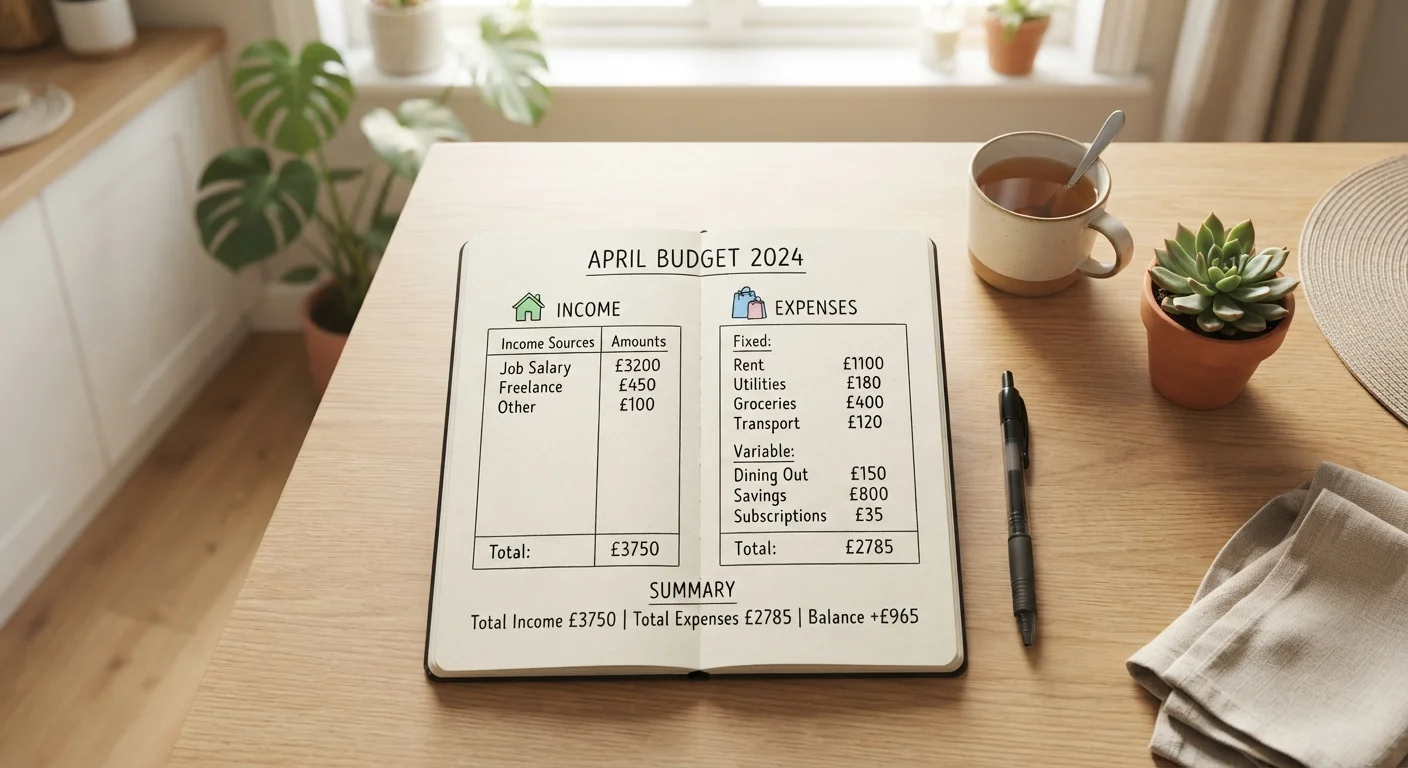
Photo: UnlockTopics.com | Unlocking Trending Content editorial
Key Takeaways
- Non-discretionary expenses are needs; discretionary expenses are wants - but the line isn't always obvious.
- Correctly categorizing your spending reveals where budget flexibility actually exists.
- Some expenses start as discretionary but become effectively fixed through habits or contracts.
- Identifying discretionary spending is the foundation of any meaningful budget cut or savings plan.
- Context matters: the same expense can be discretionary for one household and non-discretionary for another.
The Core Distinction, Plainly Stated
Every dollar you spend lands in one of two categories: money you had to spend, or money you chose to spend. That's the heart of the discretionary vs. non-discretionary split.
Non-discretionary expenses are the ones tied to basic survival and financial obligations - rent or mortgage payments, utility bills, health insurance premiums, minimum debt payments, and core groceries. You don't have a real choice about whether to pay them; skipping them carries serious consequences like eviction, service shutoff, or damaged credit.
Discretionary expenses are the choices layered on top. Dining at restaurants, streaming subscriptions, gym memberships, vacations, new clothing beyond what's functional - these are things you spend money on because you want to, not because you have to.
This distinction is directly related to another useful budgeting concept. Fixed vs. variable expenses describes whether an amount changes month to month, while discretionary vs. non-discretionary describes whether the expense is a need or a want. Both frameworks work together - a non-discretionary expense can still be variable (like a grocery bill that shifts weekly).
Habits Can Blur the Line Over Time
Where People Get the Categories Wrong
The tricky part isn't defining the terms - it's applying them honestly to your own spending. Several common expenses blur the line.
- A car payment may be non-discretionary if you live somewhere with no public transit and need a vehicle to work. In a city with reliable transit, it may be discretionary.
- A cell phone plan is often non-discretionary for remote workers or caregivers. A premium unlimited plan when a basic one would suffice? That upgrade is discretionary.
- Clothing is non-discretionary at a basic level - you need it. But fashion spending above functional needs is discretionary.
- Coffee is almost always discretionary, even if it feels essential.
The honest exercise is to go line by line through your spending and ask: could I eliminate this without threatening my health, housing, or employment? If yes, it's discretionary - even if it feels like a fixture of your life.
Try a 30-Day Spending Audit
Why Getting This Right Makes Budgeting Work
Budgets fail most often when people try to cut from the wrong places. If someone underestimates their non-discretionary spending, they build a budget that isn't realistic from day one. If they mislabel discretionary items as needs, they lose sight of where they actually have flexibility.
Correctly sorting your expenses gives you an accurate picture of your committed costs - the floor below which your spending can't fall - and your adjustable costs, where decisions can be made.
~30%
Average share of income spent on discretionary items
U.S. Bureau of Labor Statistics Consumer Expenditure data consistently shows roughly 25-35% of average household spending goes to discretionary categories like dining, entertainment, and apparel.
1 in 3
Americans with no monthly budget
Surveys by organizations including the National Foundation for Credit Counseling have found that a significant share of U.S. adults do not track spending with any formal budget method.
This matters especially if your income isn't predictable. For freelancers and gig workers, knowing the minimum you must spend each month is essential for stress-testing a budget. See our article on budgeting on an irregular income for strategies that build from this foundation.
Once you have a clear view of your two categories, you're also better positioned to choose a budgeting method that fits. The 50/30/20 rule and other frameworks map directly onto this need-vs-want logic. And if you want a tactile system for managing your discretionary categories, the envelope method is designed precisely for that.
This article is for general informational and educational purposes only. It does not constitute personalized financial advice. For guidance specific to your situation, consider consulting a qualified financial professional.
Frequently Asked Questions
The content on this site is for informational purposes only and is not a substitute for professional advice. Always consult a qualified professional for guidance specific to your situation.