
The Replacement Trap: Why Some Products Cost More Over Time

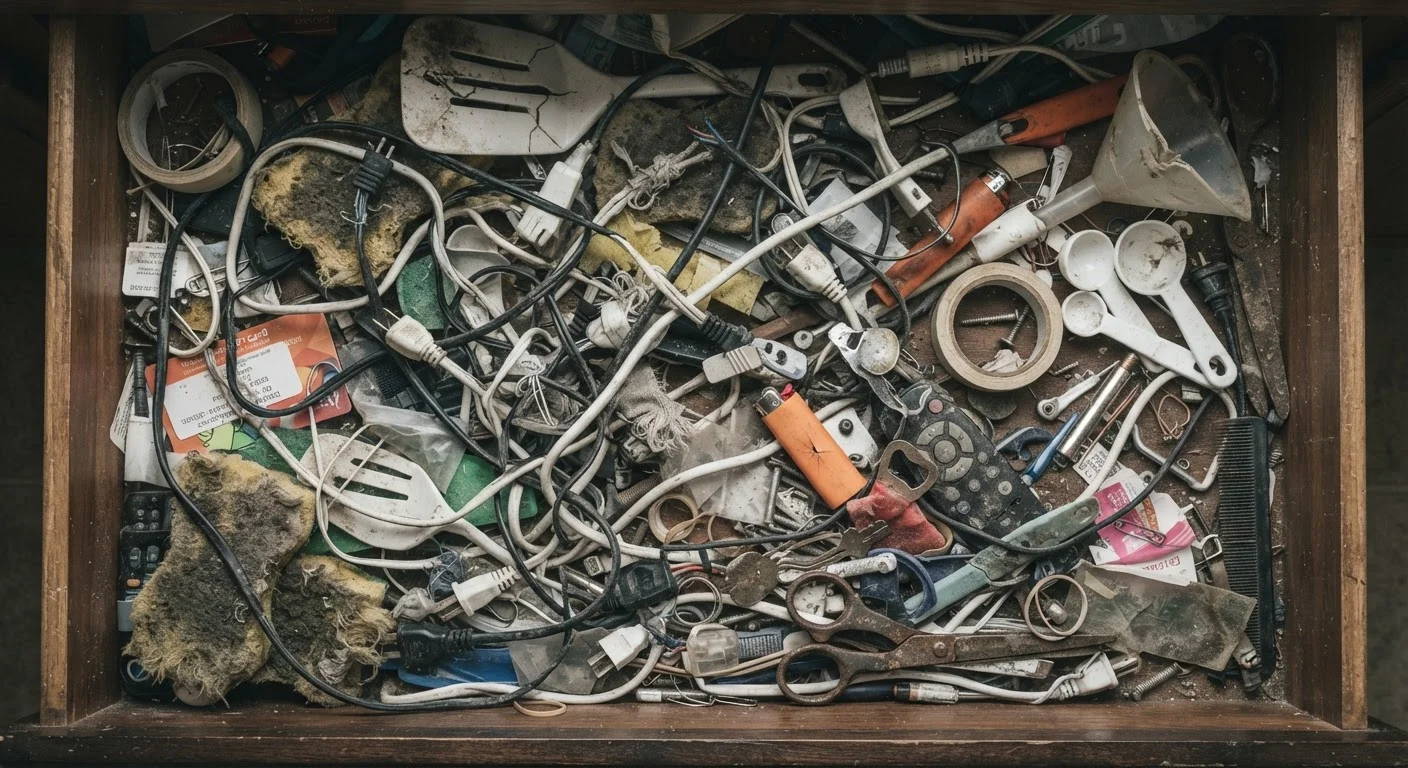
Photo: UnlockTopics.com | Unlocking Trending Content editorial
Key Takeaways
- The cheapest option at purchase often carries the highest cost over its full lifespan.
- Replacement frequency, consumable costs, and compatibility lock-in are the three main cost multipliers to evaluate.
- Calculating a rough cost-per-use or cost-per-year helps reveal when a pricier item is actually the more economical choice.
- Not every product category rewards paying more - knowing which ones do is the real skill.
How the Replacement Trap Works
The replacement trap is straightforward: you buy something affordable, it wears out, you buy it again. Repeat often enough and you've spent far more than a durable alternative would have cost. The trap is so effective because each individual purchase feels reasonable. It's only when you add them up - or think back and realize you've bought the same item four times in two years - that the pattern becomes visible.
This isn't just a frugality issue. It's a thinking error: evaluating a product only at the moment of purchase rather than across its useful life. Understanding the mechanics of this trap is the first step toward breaking it. Our guide to the real lifetime cost of household appliances illustrates how even large purchases follow this same logic.
Evaluating only the purchase price, not the cost over the product's expected lifetime.
Assuming a product marketed as reusable is built to withstand repeated use.
Ignoring proprietary consumable costs when buying a consumable-dependent device.
Replacing a product with the same low-durability version out of habit rather than reassessing.
Overlooking compatibility and software lifespan when buying connected or smart devices.
The Categories Most Likely to Trap You
Not all product types are equal when it comes to replacement risk. A few categories consistently generate hidden long-term costs worth watching closely.
Consumable-Dependent Devices
Products that require regular purchase of proprietary consumables - filters, cartridges, pods, or blades - shift the true cost away from the device itself. The device may be inexpensive precisely because the manufacturer counts on recurring consumable sales. Before buying, research the annual consumable cost independently of the sticker price. Our breakdown of unit price versus sticker price explains how to do this kind of per-use math for household essentials.
Reusable Items Sold at Disposable-Item Quality
Some products are marketed as reusable but are manufactured to disposable standards. Thin silicone bakeware, flimsy reusable bags, and lightweight storage containers are common examples. They fail quickly, forcing replacement - often more frequently than a well-made disposable alternative would have required. Our article on reusable vs. disposable household supplies offers a balanced framework for evaluating exactly this trade-off.
Technology With Short Compatibility Windows
Electronics and smart home gear can become obsolete not because they break, but because they lose software support or ecosystem compatibility. You're then effectively forced to replace working hardware. This is a well-documented pattern in smart home products - explored in depth in our piece on the hidden costs of smart home ownership.
3-5×
Typical consumable-to-device cost ratio over 3 years
Consumer research consistently finds that for many consumable-dependent household devices, ongoing supply costs outpace the original device price within a few years of regular use.
~40%
Shoppers who report buying the same item multiple times in a year
Survey data from household spending studies suggests a significant share of consumers repurchase the same low-durability items repeatedly without reassessing the value equation.
Building a More Durable Buying Framework
Avoiding the replacement trap doesn't mean always buying the most expensive option. It means asking a different set of questions before purchasing. Start by estimating expected lifespan - manufacturer claims, independent reviews, and materials often give useful signals. Then divide the total cost (including likely consumables) by that lifespan to get a rough annual cost figure.
Compare that figure across the options you're considering, not just the sticker prices. A cleaning tool that costs three times as much but lasts six times longer is a straightforward win. One that costs three times as much and lasts twice as long is a narrower call that depends on other factors, like how important that product is to your daily routine.
It's also worth noting that premium pricing doesn't automatically mean better durability. Some categories reward paying more; others don't. Our article on why premium doesn't always mean better quality breaks down where that distinction actually holds. And if seasonal marketing pressure is pushing you toward frequent upgrades rather than genuine need, the patterns described in the pitfalls of buying into every seasonal drop apply just as much to home goods as to fashion.
Replacement Cycles Can Be Invisible Until They Aren't
The content on this site is for informational purposes only and is not a substitute for professional advice. Always consult a qualified professional for guidance specific to your situation.