
Home Ventilation Myths That Lead to Condensation and Mould

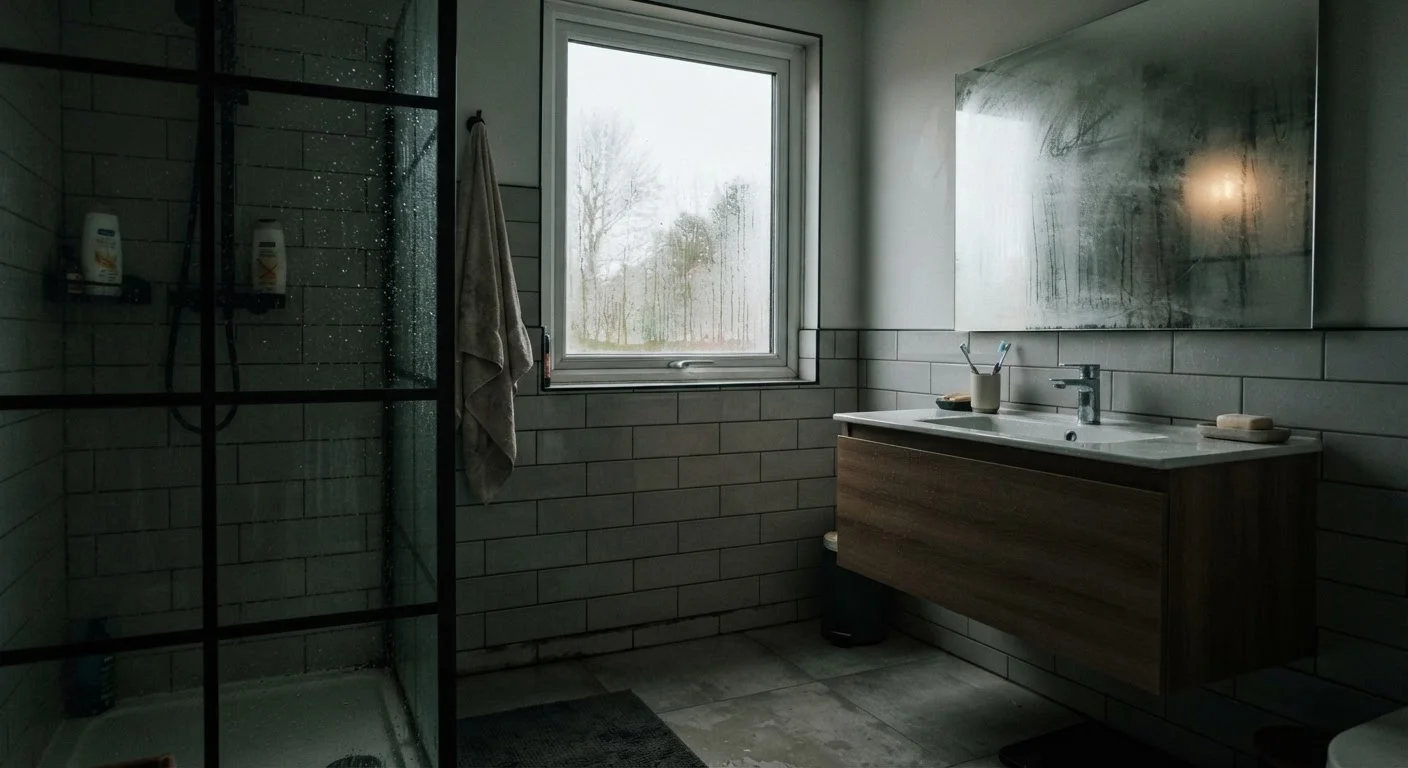
Photo: UnlockTopics.com | Unlocking Trending Content editorial
Key Takeaways
- Opening windows alone rarely provides adequate ventilation to prevent condensation in kitchens and bathrooms.
- Extractor fans only work when run long enough - switching them off too soon leaves moisture trapped indoors.
- Modern airtight homes require mechanical ventilation; relying on 'natural airflow' through walls is a common and costly mistake.
- Cold surfaces, not excess humidity alone, are usually the direct cause of visible condensation and mould growth.
- Ventilation and insulation must work together - improving one without the other can make moisture problems worse.
Why Ventilation Myths Are More Than Just Harmless Misunderstandings
Condensation and mould aren't just cosmetic problems. Persistent dampness can damage building fabric, degrade air quality, and in severe cases contribute to respiratory health concerns - particularly for children, older adults, and people with asthma. Yet many households manage moisture based on habits and assumptions that simply don't hold up under scrutiny.
The myths covered here are widespread precisely because they contain a grain of truth. Opening a window does help - sometimes. Extractor fans do work - when used correctly. The problem is in the incomplete picture most people carry around. Understanding where these beliefs fall short is the first step toward a drier, healthier home.
For a broader assessment of where your home may be losing the battle against moisture, see our room-by-room damp and heat-loss audit. And if you've recently opened up your floor plan, the ventilation picture changes significantly - the trade-offs of open-plan living are worth understanding alongside these ventilation basics.
Myth
Opening a window is all you need to stop condensation forming in a bathroom or kitchen.
Fact
Windows help, but brief or infrequent opening rarely shifts enough moisture-laden air to prevent condensation on cold surfaces.
A window opened for a few minutes after a shower lets some steam escape, but it doesn't create the sustained airflow needed to draw moist air away from cold walls, mirrors, and tiles. Condensation forms when warm, humid air meets a surface below the dew point - and that process happens quickly. A properly sized extractor fan moving air directly to the outside is substantially more effective than an open window, particularly in rooms where moisture is generated in concentrated bursts.
Myth
You should switch the extractor fan off as soon as you leave the bathroom.
Fact
Most of the moisture from a shower remains airborne after you leave; the fan needs to keep running to clear it.
Humidity doesn't evaporate the moment the shower stops. It lingers and then condenses on cooler surfaces - often after you've left the room. Running a bathroom extractor fan for 15-20 minutes after the room is vacated (or using a humidistat-controlled model that runs until humidity drops to an acceptable level) removes far more moisture than switching it off immediately. Many timer-equipped fans are designed specifically for this reason.
Myth
Older homes with solid walls 'breathe' naturally, so additional ventilation isn't needed.
Fact
Vapour movement through solid masonry is minimal and cannot compensate for the moisture generated by modern household activities.
The idea of 'breathing walls' describes the limited ability of some traditional materials - lime render, stone, soft brick - to absorb and release moisture slowly. This is real but modest. It was never designed to handle the volumes of steam produced by daily showers, cooking, and laundry drying that characterise contemporary home life. Relying on wall breathability as a ventilation strategy leaves a home chronically under-ventilated. Background ventilation through trickle vents, airbricks, or mechanical systems remains necessary regardless of construction type.
Myth
Mould is caused by too much humidity, so the solution is to keep the house as dry as possible.
Fact
Mould growth requires both elevated humidity and cold surfaces; reducing humidity alone while leaving cold spots untreated often fails.
Condensation - and the mould that follows - forms where warm moist air meets a surface cold enough to cause moisture to drop out of the air. Thermal bridges (uninsulated areas around window frames, wall junctions, or behind furniture pushed against external walls) create cold spots that condense moisture even at modest indoor humidity levels. Addressing these cold spots through targeted insulation, keeping furniture slightly away from external walls, and maintaining a consistent low-level background temperature often reduces mould as effectively as aggressive dehumidification.
Myth
Draught-proofing your home makes condensation and mould worse by sealing in moisture.
Fact
Draught-proofing and ventilation are separate systems; sealing uncontrolled gaps while adding controlled ventilation reduces both heat loss and moisture problems.
Random draughts - gaps around door frames, floorboards, or loft hatches - are not ventilation. They bring in cold air at unpredictable rates, cool surfaces unevenly, and don't direct moisture-laden air out of the rooms that generate it. Controlled ventilation (trickle vents, extractor fans, or mechanical systems) moves air deliberately and efficiently. Sealing random gaps while ensuring rooms have adequate purpose-built ventilation is the approach supported by building science - and it typically improves both comfort and air quality.
Putting Better Ventilation Into Practice
Correcting these myths is only useful if it leads to action. A few practical shifts make a meaningful difference in most homes:
- Run extractor fans longer. In bathrooms, aim for at least 15-20 minutes after showering. Many building standards recommend fans rated to exchange the room's air volume multiple times per hour - check whether your fan meets current guidance for its room size.
- Heat and ventilate together. A slightly warmer room with fresh air is less prone to condensation than a cold, sealed one. When you open a window briefly to air out a room, pair it with some background heating rather than switching everything off.
- Check trickle vents and airbricks. These small openings are often painted over or blocked by furniture. Keeping them clear supports background ventilation without draughts.
- Consider whole-house mechanical ventilation if you've significantly improved airtightness. MVHR (Mechanical Ventilation with Heat Recovery) systems recover warmth while maintaining fresh air exchange - relevant if you've recently added substantial insulation or triple glazing.
Don't Block Trickle Vents or Airbricks
Understanding ventilation myths shares something important with understanding other home-system misconceptions. Just as smart thermostats don't automatically cut energy bills, better ventilation hardware only helps when the underlying habits and conditions support it.
This article provides general home information for educational purposes. If you are concerned about significant mould growth, structural dampness, or health impacts, consult a qualified surveyor or building professional and, for any health concerns, speak with a qualified healthcare provider.
The content on this site is for informational purposes only and is not a substitute for professional advice. Always consult a qualified professional for guidance specific to your situation.