
A Room-by-Room Audit for Draughts, Damp, and Heat Loss

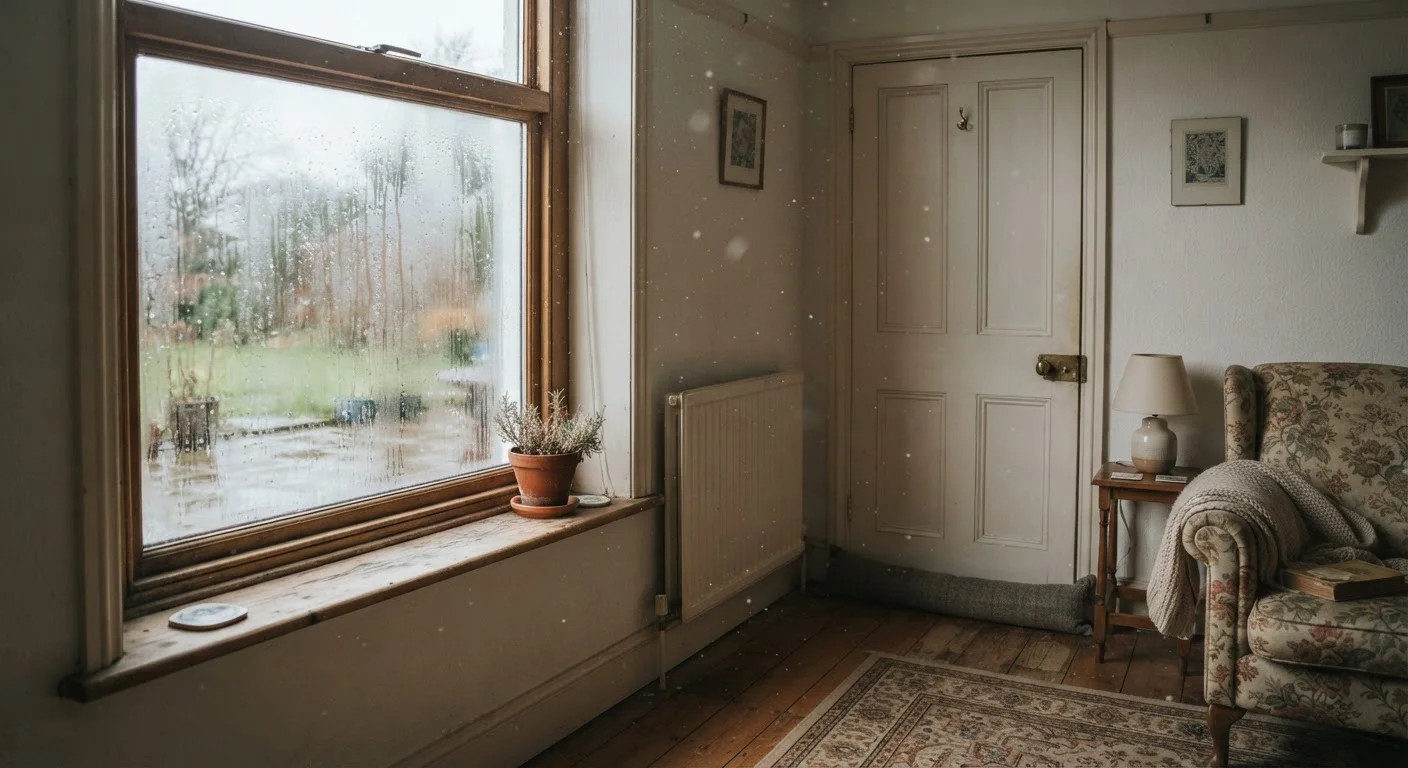
Photo: UnlockTopics.com | Unlocking Trending Content editorial
Key Takeaways
- Draughts, damp, and heat loss often occur at predictable locations - windows, doors, loft hatches, and floor edges.
- You can complete a thorough home audit in under two hours using only basic household tools.
- Identifying problems first means you spend money on fixes that actually address your specific weak points.
- Damp and condensation are distinct issues requiring different responses - knowing which you have matters.
- Small sealing jobs done yourself can reduce noticeable cold spots before bigger upgrades are considered.
Why Audit Before You Act
Most homeowners notice something is off - a cold corner, a steamed-up window, a heating bill that seems higher than it should be - but address symptoms without locating the source. A room-by-room audit changes that. Instead of guessing which draught strip or insulation product to buy, you walk through your home methodically and build a clear picture of where warmth is leaving and where moisture is building up.
This checklist is designed for everyday homeowners, not building professionals. You won't need specialist equipment for most checks, though a few optional tools can sharpen your findings. Work through each room in sequence, note what you discover, and use those notes to prioritise any follow-up action.
If your audit surfaces signs of serious structural damp, mould behind walls, or suspected issues with gas appliances, those findings warrant a qualified professional's assessment - not a DIY fix. For a broader look at what ventilation myths might be shaping your habits, see our companion piece on home ventilation misconceptions.
Flashlight
Illuminates dark corners, loft spaces, and the back of cupboards where gaps or damp stains are easy to miss.
Incense stick or thin tissue strip
Reveals air movement near suspected draught points by showing smoke drift or paper flutter.
Notepad or phone notes app
Records findings room by room so you can prioritise repairs without relying on memory.
Damp meter (moisture meter)
Gives a numerical moisture reading in walls and floors, helping distinguish surface condensation from deeper water ingress.
Infrared thermometer
Measures surface temperature on walls, floors, and windows to identify cold spots where heat loss is greatest.
How to Use This Checklist
Move through your home one room at a time. Close all external doors and windows before you begin so that air pressure differences - the main driver of draughts - are realistic. Do your audit on a cold or windy day if possible; that's when gaps reveal themselves most clearly.
Mark each item as clear, needs attention, or needs professional review. Items marked "must" in the checklist below are the ones most likely to have a measurable impact on comfort and energy use. "Should" items are strongly recommended but may depend on your home's age or construction type. "Nice to have" items are worth doing if time allows.
Once you're done, you'll have a prioritised list rather than a vague sense of unease - which makes planning repairs or improvements much more straightforward. This audit pairs naturally with a broader home organisation review; our room-by-room declutter checklist covers the same systematic approach for clearing and organising your spaces at the same time.
Preparation
Entrance Hall and Doors
Living Areas and Bedrooms
Kitchen and Bathroom
Floors and Below Ground Level
Loft and Upper Ceiling Areas
Reading Your Results
After completing the audit, group your findings into three buckets: draught sources, condensation and damp patches, and heat-loss surfaces. Each calls for a different type of response.
Draught sources - gaps at skirting boards, letterboxes, keyholes, loft hatches, and around window frames - are typically the most straightforward to address with sealing or draught-proofing materials. Heat-loss surfaces, such as single-glazed windows, uninsulated floors, or poorly insulated loft hatches, generally involve a larger decision about cost versus return. For context on how heating systems interact with your home's thermal properties, our articles on underfloor heating versus radiators and thermal mass in homes offer useful background before you commit to any upgrade.
Condensation and damp are the most important findings to distinguish carefully. Surface condensation on cold windows is common and usually manageable with improved ventilation habits. Penetrating damp - staining on external walls, tide marks, or persistent musty odour - needs professional diagnosis. Don't apply cosmetic fixes to damp patches without understanding their origin.
Don't Mask Damp Without Finding Its Source
Seal Carefully Around Combustion Appliances
Finally, note that fixing heat loss also tends to reduce noise transmission through gaps - a useful side effect covered in more detail in our guide on acoustic comfort at home.
This article provides general home information and education for planning purposes only. For structural issues, suspected gas leaks, or significant damp, always consult a licensed professional. Local building codes and permit requirements vary - verify what applies to your area before undertaking any work.
The content on this site is for informational purposes only and is not a substitute for professional advice. Always consult a qualified professional for guidance specific to your situation.