
Starting From Zero: A Grounded Introduction to Home Organization

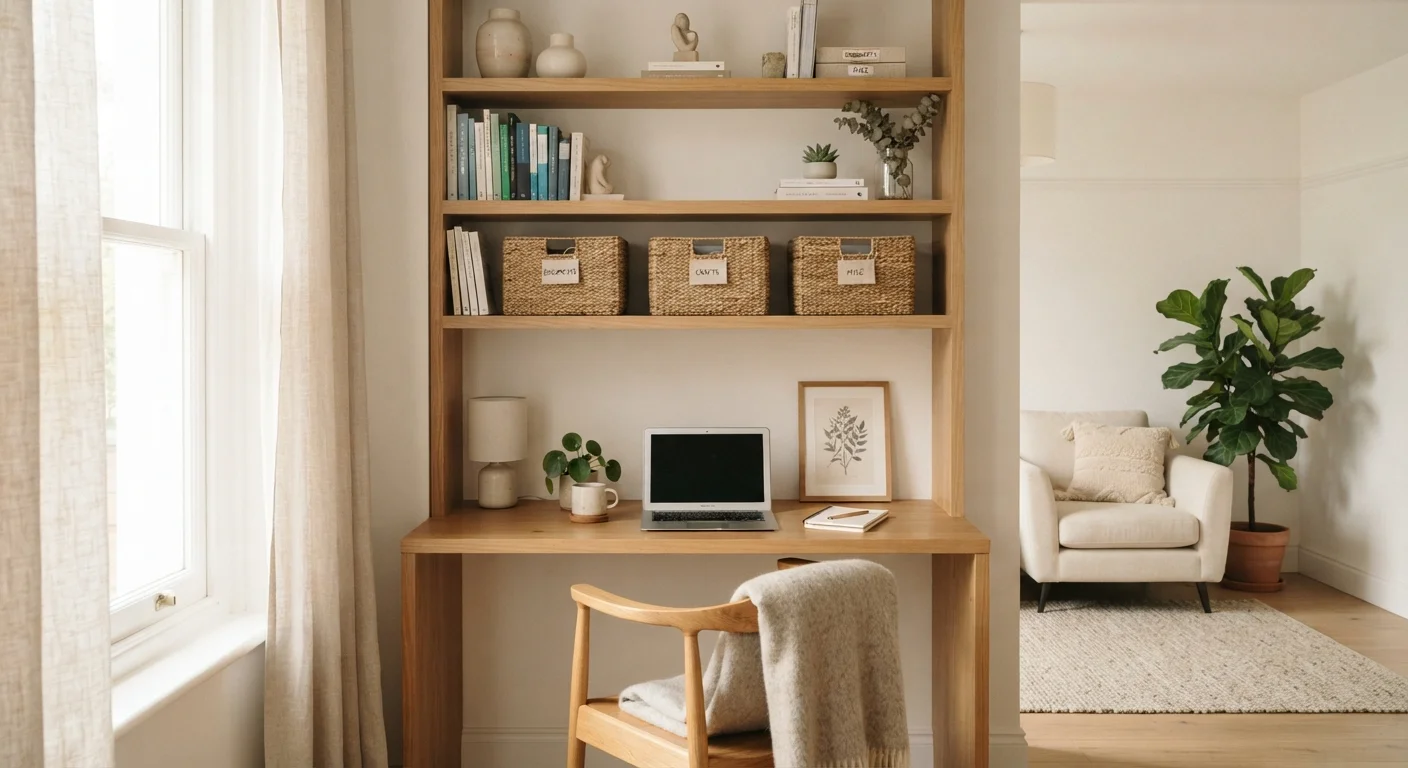
Photo: UnlockTopics.com | Unlocking Trending Content editorial
Key Takeaways
- Organization fails when items lack consistent, dedicated storage spots.
- Start with one small zone to build momentum before tackling whole rooms.
- Containers and labels are useful only after you've decided what stays.
- Sustainable tidiness depends on daily micro-habits, not periodic overhauls.
- Shared homes require explicit agreements, not assumed standards.
Why Most Organizing Attempts Fail
Most people try to organize their home by tidying - moving things around until the visual clutter disappears. It works for a day, sometimes a week, then slides back. The problem isn't willpower; it's that tidying and organizing are different activities.
Tidying relocates things. Organizing gives them permanent, logical homes so they can always be returned to the same spot. Without that structure, clutter re-forms because there's nowhere specific for anything to go.
The second common failure is scale. Beginning with the whole house - or even a whole room - creates an overwhelming task that rarely gets finished. Incomplete organization is almost as frustrating as none at all.
Know the Vocabulary Before You Start
For a full vocabulary of organizing concepts before you dive in, see key terms every home organizer uses.
The Core Principle: Homes for Everything
Every object you own needs a designated storage spot - a place it lives when not in use. This is the single most reliable principle in home organization, sometimes called the "one home" rule.
One home rule
Every item you own has one specific place it's stored when not in use. Returning things to that spot is what keeps a space consistently tidy.
Decluttering
The process of deciding what to keep, donate, or discard. It should happen before any storage products are purchased or zones are set up.
Zone
A small, defined area within a room - like a drawer, countertop, or shelf - treated as a distinct organizing project with its own contents and purpose.
One-in, one-out
A habit rule where bringing a new item into the home means removing a comparable existing item, keeping overall volume stable over time.
Negative space
Intentionally empty areas on shelves, counters, or in drawers. Preserving some empty space makes a home feel calmer and easier to maintain.
Daily reset
A short daily routine - typically five to ten minutes - spent returning items to their designated homes before clutter accumulates.
When an item has a clear home, putting it away becomes automatic. When it doesn't, it migrates to surfaces, floors, or the nearest horizontal space. Over time those surfaces accumulate into the visual chaos most people recognize as clutter.
Establishing homes doesn't require special containers or a perfectly organized house. It requires deciding: when this isn't being used, where does it go? That decision, made for enough objects, is the foundation of an organized home.
Where to Start When Everything Feels Overwhelming
Choose one zone, not one room. A kitchen counter, a bathroom cabinet, or a bedroom dresser top is a manageable starting point. The goal is a visible, complete success you can build on.
- Empty the zone entirely. Pull everything out so you can see what you actually have.
- Sort into three groups: keep, relocate (it belongs somewhere else), discard or donate.
- Assign a specific home for each item you're keeping in this zone.
- Return items deliberately - grouped logically, with the most-used things easiest to reach.
Resist the urge to buy storage products at this stage. Containers purchased before you know what you're storing almost always result in the wrong sizes or more bins than you need.
Scale Up Gradually With a Framework
Once you've built confidence with a few zones, an end-to-end framework can help you scale the same method across every room.
Basic Tools That Actually Earn Their Place
Organization products are useful - but only after the sorting is done. The tools that genuinely earn their place tend to be simple and adaptable.
- Labels: Even in a solo household, labels remove the mental overhead of remembering where things go. Write clearly and replace labels when contents change.
- Open bins and baskets: Easier to use than lidded containers for everyday items. Group like items together - charging cables, cleaning supplies, hobby materials.
- Drawer dividers: Prevent mixed-category drawers from reverting to chaos. Adjustable versions work in more situations than fixed inserts.
- Vertical storage: Shelves, hooks, and wall-mounted rails expand usable space in small rooms without adding footprint.
For guidance on evaluating what's worth purchasing for your home, the smart shopping hub covers informed buying decisions for household essentials.
Building Habits That Outlast the Initial Push
A freshly organized space will deteriorate without maintenance habits. The most sustainable approach is a short daily reset rather than a weekly deep-tidy: spend five minutes at the end of each day returning items to their homes before the backlog grows.
Two habits accelerate long-term success:
- One-in, one-out
- When something new enters the home, something comparable leaves. This keeps volume stable without requiring periodic purges.
- Reset triggers
- Pair your reset habit with an existing routine - after dinner, before bed, or after the kids are settled. Attaching a new habit to an existing one makes it easier to maintain.
If you share your home with others, organization requires explicit agreements, not assumed standards. Organizing a shared home addresses the realistic friction that comes with different tidiness thresholds living under one roof.
Organization is also surprisingly transferable as a skill. The same systematic thinking - audit, assign, maintain - applies to building a first personal budget or setting up a home office that stays functional. Start small, build the habit, then expand.
Frequently Asked Questions
The content on this site is for informational purposes only and is not a substitute for professional advice. Always consult a qualified professional for guidance specific to your situation.