
Poor Driving Posture and Why It Affects More Than Just Your Back

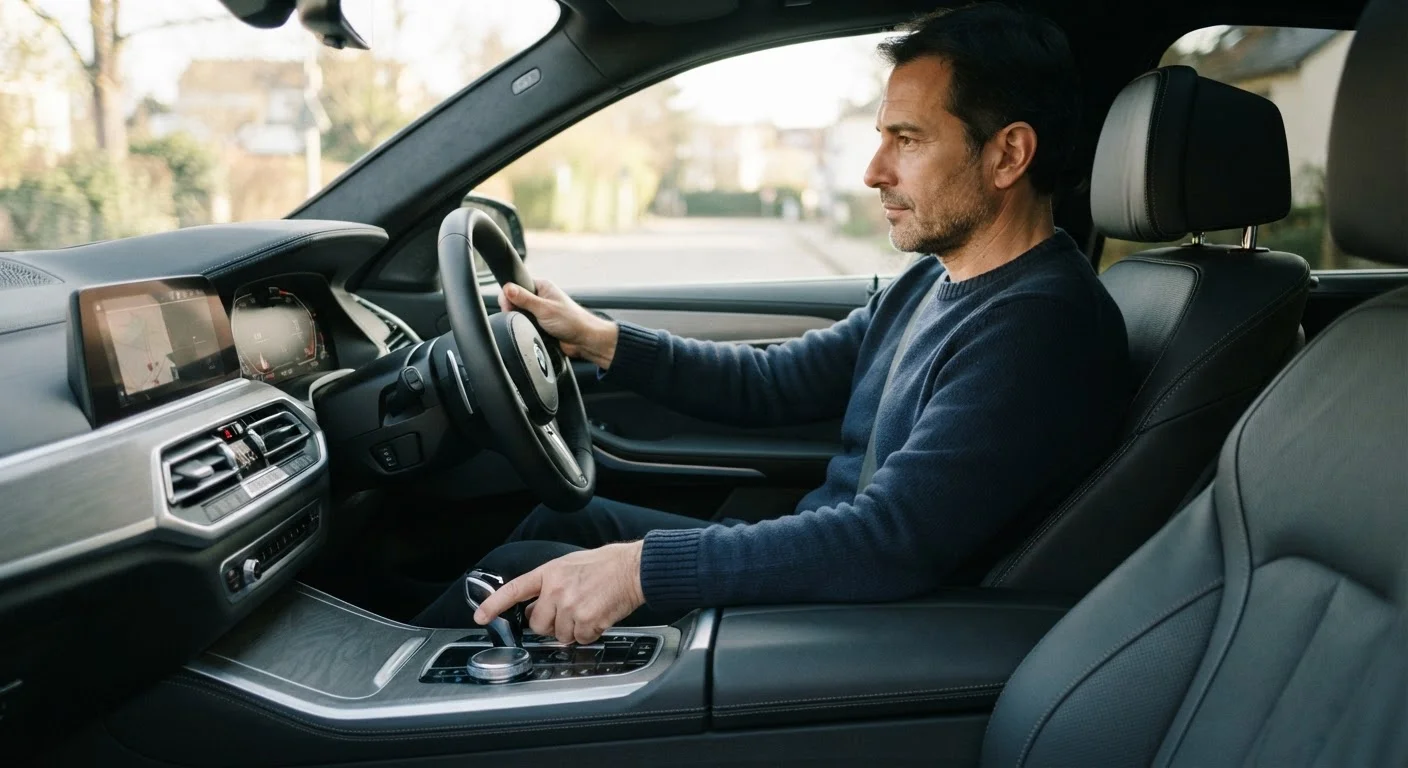
Photo: UnlockTopics.com | Unlocking Trending Content editorial
Key Takeaways
- Poor driving posture can slow your reaction time and reduce steering control in emergencies.
- Sitting too close to or too far from the steering wheel increases airbag injury risk.
- Small seat adjustments - headrest, lumbar, distance - have measurable safety and comfort benefits.
- Fatigue from bad posture compounds over long drives, impairing judgment similarly to mild drowsiness.
- Proper posture supports better visibility and mirror coverage, reducing blind-spot risk.
Why Posture Is a Safety Issue, Not Just a Comfort One
Most drivers treat seat position as a comfort preference - something you adjust once when you buy a car and forget about. That framing misses the point. How you sit behind the wheel directly shapes how quickly you can react, how accurately you can steer, and how effectively your vehicle's safety systems work for you.
Airbags, for example, are engineered around an assumed seating distance. Sitting too close compresses that safety margin; the bag deploys with enough force to injure rather than protect. Sitting too far back means you're fighting the wheel on full-lock turns and may not reach pedals with full leg extension - both slow emergency responses.
Posture also affects fatigue. A misaligned spine under sustained muscle tension drains energy faster than most drivers realize. That physical tiredness feeds cognitive dullness, which can resemble the early stages of drowsiness. For long highway stretches, this isn't trivial. See also: night driving habits that reduce risk after dark, where fatigue management is central to staying safe.
Common Posture Mistakes Drivers Make
Sitting too close to the steering wheel - sometimes called 'hugging the wheel'.
Reclining the seatback at an excessively flat angle - sometimes called 'couch driving'.
Gripping the steering wheel at the 10-and-2 position with high, rigid tension.
Setting the headrest too low so it contacts the neck rather than the back of the skull.
Driving with one wrist draped over the top of the wheel or one hand on the gear selector for extended periods.
These errors are pervasive precisely because most of them feel comfortable - at least at first. The trouble compounds over time and at higher speeds, when control margins shrink and physical demands spike.
How to Set Up Your Seat Correctly
~10 in
Minimum safe chest-to-wheel distance
Safety engineers and traffic safety bodies consistently cite at least 10 inches between the sternum and steering wheel hub as the minimum for airbag effectiveness.
100-110°
Recommended seatback angle
Ergonomics research on driver posture generally points to a slightly reclined angle in this range as the optimal balance between spinal support and steering control.
~30%
Increase in reaction distance at higher fatigue
Studies on driver fatigue suggest physical tiredness - including that caused by poor posture - can noticeably lengthen the time between perceiving a hazard and responding to it.
Setting your seat properly takes under two minutes but most drivers skip the full process. Here's the sequence that matters:
- Seat distance: Sit with your back fully against the backrest. Your left foot (in a standard vehicle) should be able to press the dead pedal - the footrest left of the clutch or brake - without lifting your thigh off the seat. Your knee should have a slight bend when the brake is fully depressed.
- Backrest angle: Aim for roughly 100-110 degrees - slightly reclined from fully upright. A perfectly vertical backrest forces your lower spine into flexion. Too reclined and you lose steering leverage and sight lines.
- Headrest height: The centre of the headrest should align with the centre of the back of your head - not your neck. This matters enormously in rear-impact collisions.
- Steering wheel reach and tilt: With your wrists resting on the top of the wheel, your elbows should be slightly bent. Adjust tilt so the wheel doesn't obscure instrument cluster readouts.
- Mirror alignment: Set mirrors after your seat is final. Mirrors adjusted to a slumped position teach you to slump to use them.
Good posture also complements broader driving awareness. Drivers who scan further ahead - a habit explored in our guide on reading the road and anticipating traffic - benefit most when they're also physically positioned to turn their heads and shoulders freely.
Don't Adjust Your Seat While Moving
Extended sitting, whether at a desk or behind a wheel, carries its own health considerations. If you spend significant time driving for work, the strategies in sitting less during the day may complement your routine.
This article is for general informational purposes only and does not constitute medical advice. Consult a qualified healthcare professional for concerns about musculoskeletal health or driving-related pain.
The content on this site is for informational purposes only and is not a substitute for professional advice. Always consult a qualified professional for guidance specific to your situation.