
Night Driving Habits That Reduce Risk After Dark

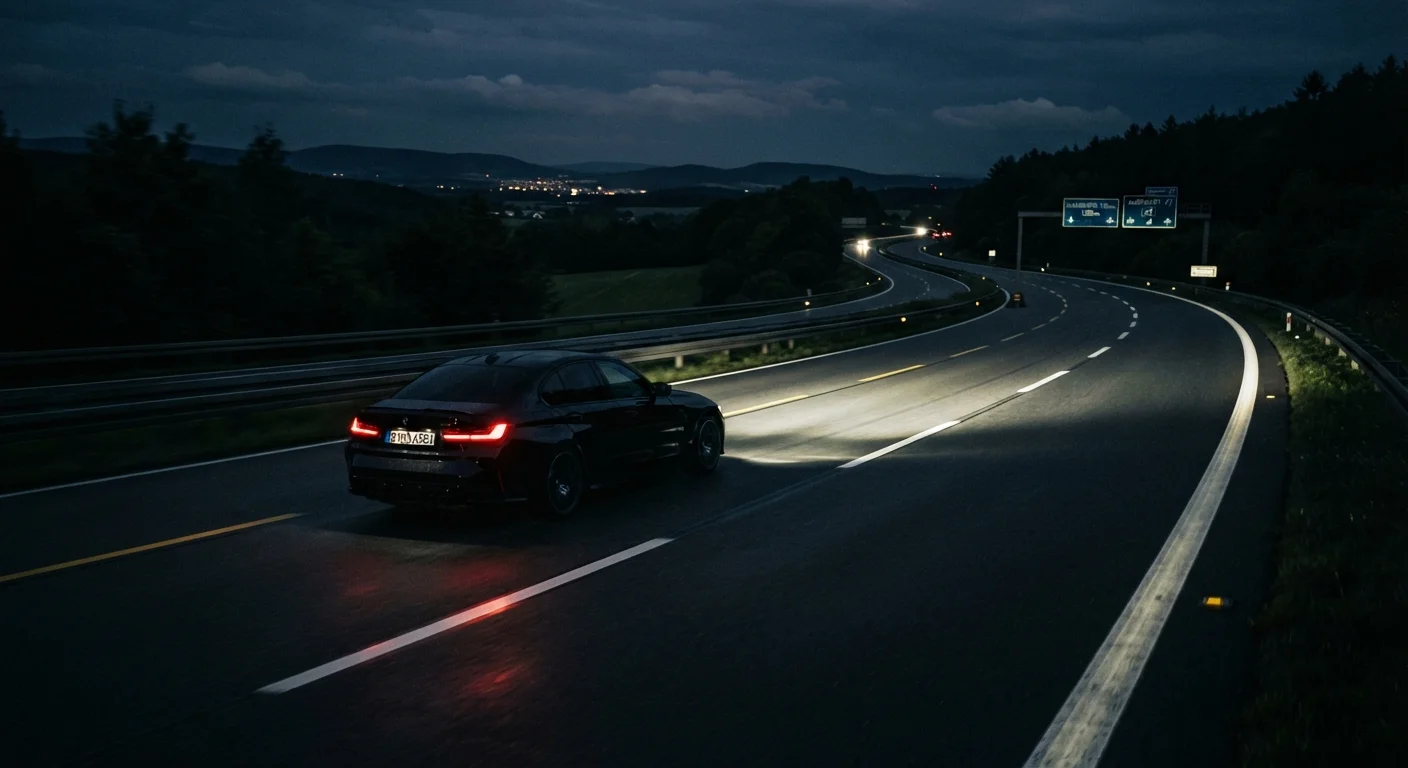
Photo: UnlockTopics.com | Unlocking Trending Content editorial
Key Takeaways
- Night driving accounts for a disproportionate share of fatal crashes despite lower overall traffic volume.
- Reduced visibility, impaired depth perception, and driver fatigue all compound risk after dark.
- Properly aimed headlights, increased following distance, and managing fatigue are among the highest-impact habits.
- Clean windshields and mirrors dramatically improve low-light visibility at minimal cost or effort.
- Knowing when to pull over and rest is as important as any active driving technique.
Why Night Driving Deserves a Different Approach
Darkness changes the driving environment in ways that casual awareness rarely accounts for. Human eyes adapt to low light, but they do so imperfectly - peripheral vision narrows, depth perception degrades, and the ability to read road signs or spot pedestrians drops significantly compared to daylight conditions. According to the National Safety Council, roughly half of all traffic fatalities in the US occur at night or in low-light conditions, even though nighttime carries far less total traffic volume than daytime.
Driver fatigue is layered on top of these visibility challenges. The body's natural circadian rhythm creates pressure to sleep in the late evening and pre-dawn hours, meaning alertness is biologically suppressed precisely when many drivers are on the road. The combination of reduced visual input and reduced cognitive sharpness creates conditions where reaction time suffers and hazards go undetected longer.
The habits below address the real mechanisms behind night driving risk - not just general caution, but specific, actionable adjustments. For a broader foundation of safe vehicle operation, the guide to reading the road ahead is worth pairing with this advice.
Keep Headlights Properly Aimed and Clean
Headlights that are misaligned - pointing too low, too high, or off to one side - dramatically shrink your usable visibility cone without triggering any warning light on your dashboard. Many drivers don't know their headlights are off-aim until a mechanic flags it during an unrelated inspection.
Have headlight aim checked as part of your regular service schedule. While you're at it, inspect the lenses: oxidized or yellowed plastic covers scatter light rather than project it, reducing effective output significantly. Lens restoration is inexpensive and can restore a meaningful amount of beam range. This falls into the category of routine checks that prevent expensive problems.
Misaligned headlights shrink your visibility cone without triggering any dashboard warning.
Clean Your Windshield and Mirrors - Inside and Out
A film of haze on the interior windshield is nearly invisible in daylight but creates significant glare scatter when oncoming headlights or streetlights hit it at night. The same applies to side mirrors and the rear window.
Use a glass cleaner designed for automotive use on the inside of all glass surfaces before any long night drive. Pay particular attention to the lower driver-side corner of the windshield, which tends to accumulate an oily haze from dashboard off-gassing. A clean windshield can feel like a meaningful visibility upgrade at zero cost.
Interior windshield haze is nearly invisible in daylight but creates serious glare at night.
Increase Following Distance Beyond the Daytime Standard
The standard three-second following distance rule is calibrated for daylight conditions and clear road surfaces. At night, reaction time is slower, hazards appear later, and road surface conditions may be harder to assess. A following distance of four to five seconds gives additional buffer to identify and respond to brake lights, debris, or animals in the road.
This connects directly to smoother overall driving technique. Smooth acceleration and braking not only saves fuel but gives you more time to manage situations rather than react to them at the last moment.
At night, extend your following distance to four or five seconds - reaction time is slower in the dark.
Use High Beams Correctly - and Switch Down Early
High beams roughly double usable sight distance on unlit roads, yet many drivers underuse them out of habit or uncertainty about when to switch. On roads without oncoming traffic or vehicles ahead, high beams should be your default at night.
The discipline is in switching back to low beams promptly: when an oncoming vehicle appears, dim your lights with enough distance that the other driver's vision isn't compromised before they pass. A common rule of thumb is to switch to low beams when oncoming headlights are visible, and when following another vehicle within 200-300 feet. Failing to dim promptly is both discourteous and contributes to temporary vision impairment in other drivers.
High beams double your sight distance - use them on unlit roads, but dim early for oncoming traffic.
Recognize and Respond to Fatigue Before It Becomes Dangerous
Drowsy driving impairs cognitive function in ways that parallel alcohol impairment - slowing reaction time, reducing hazard awareness, and in extreme cases producing microsleep episodes where a driver loses consciousness for a few seconds at speed. The challenge is that fatigue degrades the very judgment needed to assess how fatigued you are.
Practical signals to watch for: yawning repeatedly, difficulty keeping eyes focused, lane drift, missing turns or exits, or a sensation of time passing without clear memory of the road covered. If any of these appear, the safest response is to pull off at a well-lit, safe location and rest - even a 20-minute break can help restore alertness meaningfully. Caffeine can help short-term but is not a substitute for adequate rest before a long night drive.
Drowsy driving impairs judgment comparably to alcohol - recognize the signs and stop before they escalate.
Reduce Speed to Match Your Actual Sight Distance
Speed limits are set for reasonable conditions, not necessarily for nighttime visibility on unlit roads. If your headlights illuminate roughly 160 feet ahead on low beams, stopping distance at 60 mph in dry conditions already pushes close to that limit - leaving little margin for unexpected hazards.
Adjusting speed downward on dark, unfamiliar, or rural roads is not timid driving - it is calibrating speed to the information available. This is especially relevant on roads with wildlife crossing activity, curves, or road shoulders where pedestrians may be present. The habit of matching speed to sight distance rather than posted limits (where conditions warrant) is a mark of experienced night driving judgment.
Match your speed to your actual sight distance, not just the posted limit, on dark or unfamiliar roads.
Building These Habits Into Every Night Drive
None of these habits requires special equipment or significant effort - most take seconds to implement and compound over time into a meaningfully safer profile behind the wheel. The common thread is awareness: night driving rewards drivers who prepare before moving and stay actively engaged throughout the journey.
Plan Ahead to Minimize Fatigue Exposure
Fatigue management deserves special emphasis. Recognizing drowsiness early - before it becomes microsleep - is one of the hardest but most important skills in nighttime driving. If you notice yourself blinking heavily, missing exits, or drifting within the lane, treat it as a genuine stop signal rather than something to push through.
Good posture also plays a quiet role. Slouching or sitting too far from the wheel reduces your visual field and slows steering response - factors that matter more when reaction time is already under pressure from low light. See how driving posture affects reaction time and control for practical seat positioning guidance.
This article provides general driving safety information for educational purposes. Always comply with local traffic laws and consult qualified professionals for vehicle inspection or maintenance needs.
The content on this site is for informational purposes only and is not a substitute for professional advice. Always consult a qualified professional for guidance specific to your situation.