
Defensive Driving: What It Actually Means and Why It Matters

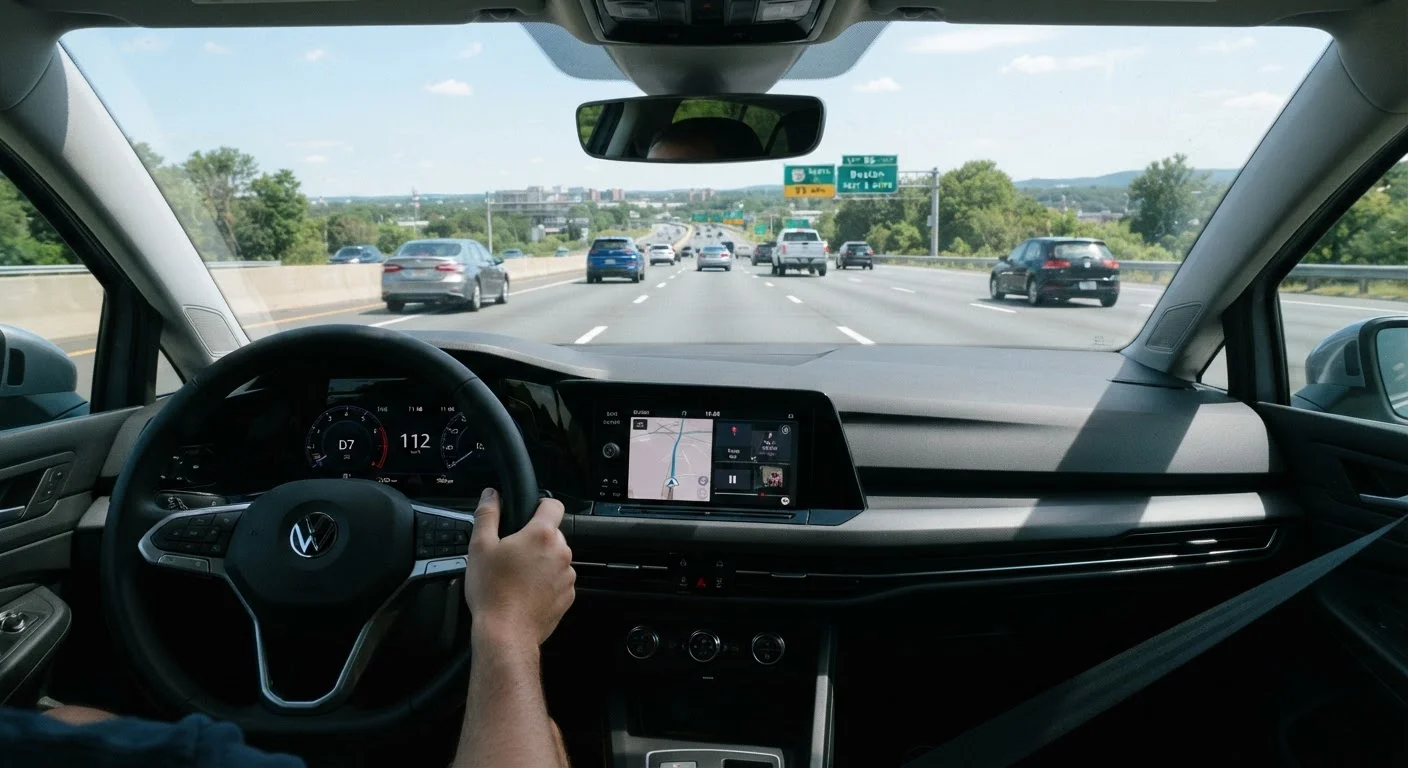
Photo: UnlockTopics.com | Unlocking Trending Content editorial
Key Takeaways
- Defensive driving means anticipating hazards before they require emergency reactions.
- Maintaining a safe following distance is one of the single most effective collision-prevention habits.
- Distraction - not just aggression - is a leading factor in preventable crashes.
- Smooth, deliberate vehicle control also reduces fuel consumption and mechanical wear.
- Defensive habits benefit both new and experienced drivers at every skill level.
What Defensive Driving Actually Means
The phrase defensive driving gets used often - in driver's ed classrooms, insurance conversations, and traffic court. But stripped of jargon, it describes a straightforward idea: drive in a way that accounts for what other people might do wrong, not just what you plan to do right.
Reactive driving waits for a problem to appear and then responds. Defensive driving anticipates problems before they fully develop - scanning further ahead, maintaining buffers, and making decisions with extra margin built in. It shifts your mental model from "I know what I'm doing" to "I know what the road can throw at me."
Defensive driving
A set of driving habits focused on anticipating hazards and maintaining safety margins, rather than simply reacting to problems as they occur.
Following distance
The gap between your vehicle and the one directly ahead. A larger gap gives you more time and space to react if that driver brakes or swerves suddenly.
Hazard perception
The ability to recognize developing risks on the road - such as a merging truck or a pedestrian stepping off a curb - before they require emergency action.
Scanning
The practice of actively moving your eyes across mirrors, the road ahead, and the surrounding environment at regular intervals rather than fixing your gaze in one place.
Escape route
A clear path or space you consciously keep available so that if another vehicle moves unexpectedly, you have somewhere to steer without a collision.
This is not a passive or timid approach. Defensive drivers move confidently and deliberately. The goal is awareness and control, not hesitation.
The Core Principles in Practice
Several habits form the practical foundation of defensive driving:
- Maintain a safe following distance. The three-second rule is a reliable baseline - pick a fixed point on the road, and make sure at least three seconds pass between when the car ahead clears it and when you do. Add more time in rain, fog, or heavy traffic.
- Scan well ahead, not just the bumper in front of you. Looking 10-15 seconds down the road gives you time to process changes before they demand instant reaction. Our guide on reading traffic ahead explores this habit in depth.
- Manage your vehicle's position actively. Stay out of other drivers' blind spots on highways. When possible, position yourself where you have an escape route if another driver makes a sudden move.
- Control speed for conditions, not just the limit. A posted speed limit reflects ideal conditions. Wet pavement, low sun, or dense traffic all warrant a lower operating speed even when it's legal to go faster.
- Minimize in-cabin distractions. Phones are the obvious culprit, but adjusting navigation, eating, or reaching for objects all pull attention away at the moments it's most needed.
Good Habits Compound Over Time
Smooth acceleration and braking - core to defensive technique - also reduce fuel use and brake wear. See how smooth inputs save fuel and reduce wear for the full picture.
Common Mistakes That Undermine Safety
Even drivers who know the theory can fall into habits that chip away at it:
- Tailgating under time pressure
- Running late compresses following distances. A three-second gap can close to one without the driver noticing, removing the reaction window entirely.
- Overconfidence in familiar routes
- Drivers are statistically more likely to crash close to home - familiarity breeds reduced attention. Routine routes deserve the same scan habits as unfamiliar roads.
- Assuming right-of-way equals safety
- Having the right of way is a legal fact. Whether another driver respects it is a separate question. Proceed through intersections and merge zones with eyes open, not just legal confidence.
- Ignoring vehicle condition
- Defensive technique has limits if the car underneath you can't perform. Worn tires extend stopping distances; degraded brakes reduce control. Basic maintenance habits are part of the safety equation.
Familiarity Is Not the Same as Safety
Why It Matters Beyond Avoiding Tickets
Defensive driving is often framed around legal consequences - points on a license, traffic fines, insurance rates. Those are real, but they understate the actual stakes. Most serious crashes involve entirely preventable decisions: following too closely, distracted attention, or speed inappropriate for conditions.
The practical benefits extend in multiple directions. Smoother, more deliberate driving tends to reduce fuel consumption and mechanical wear, meaning the habits that protect you also cost less over time. And because auto insurance premiums are partly tied to your claims history, fewer incidents generally work in your favor - though no specific outcome is guaranteed. For context on how driving record affects coverage, see what first-time drivers need to know about car insurance.
Most importantly, defensive driving is not a course you complete once - it's a set of habits you actively maintain. The road changes constantly, and the drivers who navigate it most safely are the ones who never fully stop paying attention.
This article is for general informational and educational purposes only. It is not a substitute for formal driver training, state-licensed instruction, or qualified professional advice. Always follow applicable traffic laws and consult a licensed driving instructor for personalized guidance.
Frequently Asked Questions
The content on this site is for informational purposes only and is not a substitute for professional advice. Always consult a qualified professional for guidance specific to your situation.