
Car Insurance for First-Time Drivers: What You Actually Need to Know

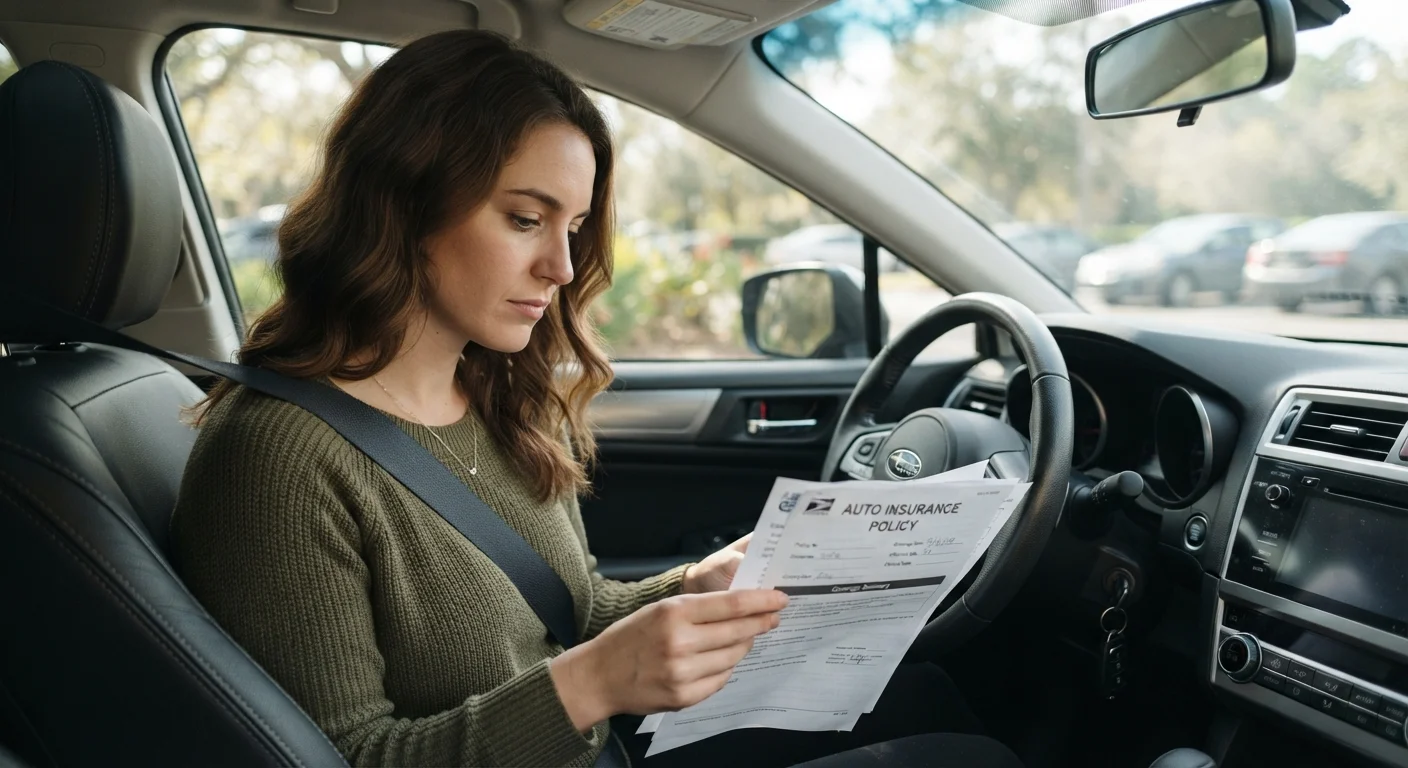
Photo: UnlockTopics.com | Unlocking Trending Content editorial
Key Takeaways
- Nearly every US state requires drivers to carry a minimum level of liability coverage to legally operate a vehicle.
- Liability, collision, and comprehensive serve different purposes - understanding each prevents costly gaps.
- First-time drivers typically pay higher premiums due to limited driving history, but several factors can offset this.
- Your deductible choice directly affects both your premium and your out-of-pocket cost after a claim.
- Reading the declarations page and understanding exclusions before signing protects you from surprises later.
Why Auto Insurance Is Legally Required
Almost every US state requires drivers to carry a minimum level of auto insurance before they can legally operate a vehicle on public roads. The underlying principle is financial responsibility: if you cause an accident, there must be a way to compensate the people you injure or the property you damage.
The specific minimums vary by state - some require only basic bodily injury and property damage liability, while others also mandate personal injury protection (PIP) or uninsured motorist coverage. Driving without meeting your state's minimum requirements can result in fines, license suspension, and serious financial liability. Before purchasing any policy, look up your state's specific requirements, as these are the floor - not the recommended level of protection.
State Minimums Are a Floor, Not a Target
The Core Coverage Types Explained
Auto insurance isn't a single product - it's a bundle of distinct coverages, each addressing a different type of risk. Understanding what each one does is essential before you buy anything. For a deeper breakdown of every term you'll encounter, see Auto Insurance Decoded.
Premium
The amount you pay - monthly, semi-annually, or annually - to keep your insurance policy active.
Deductible
The out-of-pocket amount you pay when you file a claim before your insurer covers the rest.
Liability coverage
Insurance that pays for injuries or property damage you cause to other people in an accident you're responsible for.
Declarations page
A summary document within your policy that lists your coverage types, limits, deductibles, and insured vehicles in one place.
Coverage limit
The maximum dollar amount your insurer will pay for a covered claim. Costs beyond this limit are your personal responsibility.
Exclusion
A situation or condition specifically not covered by your policy, even if a related situation is covered.
- Liability coverage pays for injuries or property damage you cause to others. It does not cover your own injuries or vehicle.
- Collision coverage pays to repair or replace your car after a collision with another vehicle or object, regardless of fault.
- Comprehensive coverage covers non-collision damage: theft, vandalism, weather events, and animal strikes.
- Uninsured/underinsured motorist coverage protects you when the at-fault driver has no insurance or insufficient coverage.
- Personal injury protection (PIP) covers medical expenses for you and your passengers, regardless of fault, and is required in some states.
If you're financing or leasing a vehicle, your lender will almost certainly require both collision and comprehensive. Even for owned vehicles, weigh the car's value against what you'd pay for coverage versus what you'd receive in a claim.
Why First-Time Drivers Pay More - And What Affects Your Rate
Insurance pricing is built on risk assessment. Drivers with little or no history behind the wheel are statistically more likely to be involved in accidents, which means insurers charge higher premiums to offset that risk. This isn't arbitrary - it reflects actuarial data across large populations. How insurers assess risk covers the full logic behind pricing factors.
Several variables influence your specific rate:
- Age and driving history - younger, less experienced drivers carry higher baseline risk in insurer models.
- Vehicle type - a car's safety ratings, repair costs, and theft rates all feed into pricing.
- Location - urban areas with higher traffic density and theft rates typically yield higher premiums.
- Deductible level - choosing a higher deductible lowers your premium but increases your out-of-pocket cost after a claim.
- Credit history - in most states, insurers use credit-based insurance scores as a pricing factor.
Some insurers offer usage-based or telematics programmes that price your policy on actual driving behavior. If you're a cautious, low-mileage driver, these programmes may work in your favor. See how telematics programmes work for details.
Defensive Driving Courses Can Lower Your Rate
Smart Steps Before You Buy a Policy
Buying a policy without doing groundwork first is one of the most common and costly mistakes new drivers make. A few deliberate steps can help you get genuinely appropriate coverage rather than just the first quote you see.
- Gather multiple quotes - premium differences between insurers for identical coverage can be substantial. Compare at least three quotes for the same coverage limits and deductibles.
- Read the declarations page carefully - this one-page summary lists your coverage types, limits, deductibles, and listed drivers. It's the most important document in your policy.
- Ask about discounts - good student discounts, defensive driving course completion, and low-mileage discounts are common. Eligibility requirements and discount amounts vary by insurer.
- Consider your actual financial exposure - if you caused a serious accident and your liability limits were quickly exhausted, you'd be personally responsible for the remainder. Higher limits cost more but reduce personal financial risk.
- Factor insurance into your overall budget - auto insurance is a recurring fixed expense. Building it into your budget from the start avoids surprises.
This article provides general insurance information for educational purposes only and is not personalized insurance advice. Coverage terms, limits, exclusions, and availability vary by insurer and state. Always read your actual policy documents and consult a licensed insurance agent for guidance specific to your situation.
Common Mistakes New Drivers Make With Insurance
Even well-intentioned first-time buyers regularly make the same avoidable errors. Knowing what to watch for puts you in a better position from day one.
- Choosing state minimums and stopping there - minimum limits are designed to satisfy legal requirements, not to fully protect your finances in a serious accident.
- Skipping uninsured motorist coverage - a meaningful share of US drivers carry no insurance or are underinsured. This coverage fills the gap they leave.
- Not reporting changes - adding a new vehicle, moving to a different address, or changing how you use your car can all affect coverage. Failure to update your policy can lead to a denied claim.
- Believing common myths about pricing - many assumptions about what raises or lowers rates aren't accurate. Auto insurance myths separates fact from fiction.
- Ignoring the driver classification on your policy - whether you're listed as a named insured, additional driver, or excluded driver matters significantly for claim coverage. Understanding those labels before signing is essential.
New drivers also benefit from building safe driving habits early - both for road safety and for maintaining a clean record that can lower premiums over time. Our car maintenance guide for new drivers pairs well with this foundation.
Frequently Asked Questions
The content on this site is for informational purposes only and is not a substitute for professional advice. Always consult a qualified professional for guidance specific to your situation.