
Tyre Wear Patterns as a Diagnostic Tool

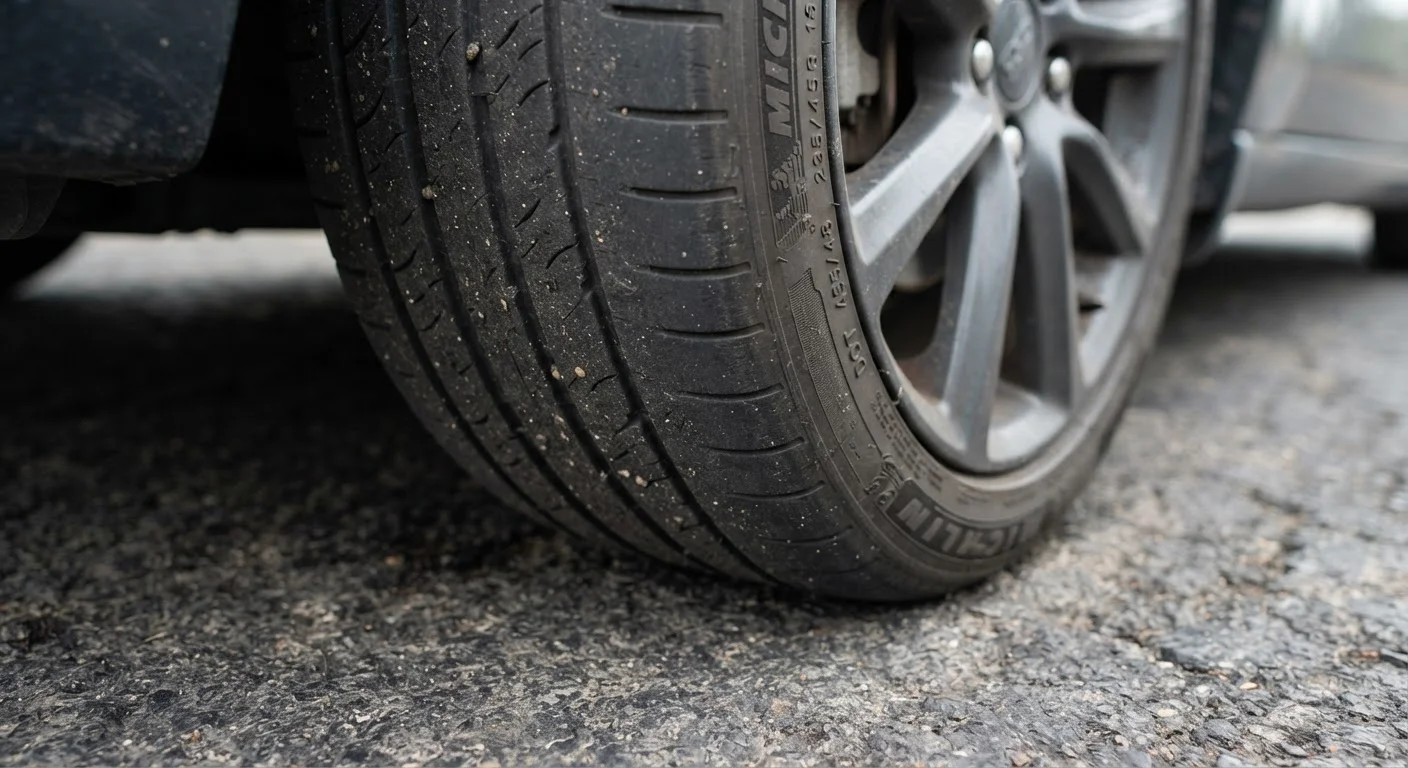
Photo: UnlockTopics.com | Unlocking Trending Content editorial
Key Takeaways
- Different tyre wear patterns point to specific mechanical issues like misalignment, over-inflation, or suspension wear.
- Catching irregular wear early can prevent more expensive repairs to steering and suspension components.
- Regular visual inspections - at least monthly - are a simple habit that pays off over time.
- Tyre rotation helps even out normal wear but cannot fix underlying alignment or pressure problems.
- When wear patterns suggest a mechanical cause, have a qualified mechanic assess the vehicle before fitting new tyres.
Why Tyre Wear Is Worth Reading
Tyres are the only part of your vehicle in continuous contact with the road, which makes them unusually good at recording stress. The way rubber wears down over time is not random - it follows predictable patterns that correspond to specific mechanical and maintenance conditions. A tyre wearing unevenly on the outer edge tells a different story than one wearing across the centre, and both stories point to different remedies.
The practical value here is early detection. Mechanical problems like misalignment or worn suspension components are far cheaper to fix before they propagate into steering components, wheel bearings, or require premature tyre replacement. Many of the habits that quietly shorten a car's lifespan operate in exactly this way - small overlooked signals that compound into larger costs.
Build Inspections Into Your Routine
This article provides general educational information for everyday drivers. For a diagnosis specific to your vehicle, consult a qualified automotive mechanic.
How to Inspect and Diagnose Your Tyre Wear
The steps below walk through a systematic inspection you can perform yourself in under 30 minutes. Gathering accurate measurements is the key - guessing by eye alone is rarely reliable enough to distinguish between, say, camber misalignment and toe misalignment.
What you will need
Tyre tread depth gauge
Measures remaining tread depth at multiple points across the tyre to detect uneven wear.
Tyre pressure gauge
Verifies inflation is at the manufacturer-specified level, ruling out pressure as a contributing wear cause.
Torch or work light
Illuminates the tyre surface clearly so subtle wear differences are easier to spot.
Chalk or marker
Can be used to mark reference points on the tread before rotating or re-inspecting.
Park on level ground and gather your tools
Choose a flat, well-lit surface. Uneven ground can distort how the tyre sits and make wear differences harder to spot. Have your tread depth gauge and tyre pressure gauge ready before you start.
Visually scan each tyre for obvious irregularities
Walk around the vehicle and look at each tyre straight on and from a slight angle. Look for bald patches, scalloping (a wavy or cupped surface), raised sections, or any areas where the tread looks visibly shallower on one side versus the other.
Measure tread depth at three points across each tyre
Insert the tread depth gauge into the tread groove at the inner edge, centre, and outer edge of the tyre. Record each reading. A difference of more than 2-3 mm between the inner and outer edges suggests camber misalignment or a suspension issue. A shallower centre compared to the edges indicates over-inflation; shallower edges with a raised centre points to chronic under-inflation.
Match the wear pattern to a likely cause
Use your measurements and visual observations to identify the pattern type:
- Centre wear only: Chronic over-inflation
- Both outer edges worn, raised centre: Chronic under-inflation
- One-sided wear (inner or outer edge): Wheel misalignment or worn suspension components
- Cupping or scalloping (rhythmic high-low pattern): Worn or loose shock absorbers or struts
- Feathering (tread rounded on one side, sharp on the other): Toe misalignment
Each pattern narrows down where the investigation should go next.
Check and correct tyre pressure
Inflate or deflate each tyre to the pressure specified on the door jamb sticker or in the owner's manual - not the maximum figure printed on the tyre sidewall. Pressure-related wear patterns (centre or dual-edge wear) often resolve once inflation is consistently maintained. Tyre pressure also directly affects fuel efficiency, so this step has compounding benefits.
Schedule a professional inspection if the cause is mechanical
If the wear pattern suggests misalignment, suspension wear, or shock absorber issues, take the vehicle to a qualified mechanic before purchasing replacement tyres. Fitting new tyres without addressing the root cause will reproduce the same wear pattern within a few thousand miles, wasting the investment. A four-wheel alignment check is typically quick and reasonably priced at most service shops.
Once you have identified and addressed the root cause, ask your mechanic about tyre rotation intervals appropriate for your vehicle. Rotation redistributes normal wear but cannot compensate for mechanical faults - it is a maintenance step, not a fix. For guidance on which tasks are genuinely suitable for DIY versus when professional involvement is prudent, see our article on knowing where the DIY line should be.
Never Fit New Tyres Over an Unresolved Fault
The content on this site is for informational purposes only and is not a substitute for professional advice. Always consult a qualified professional for guidance specific to your situation.