
The Principles Behind Proportional Dressing

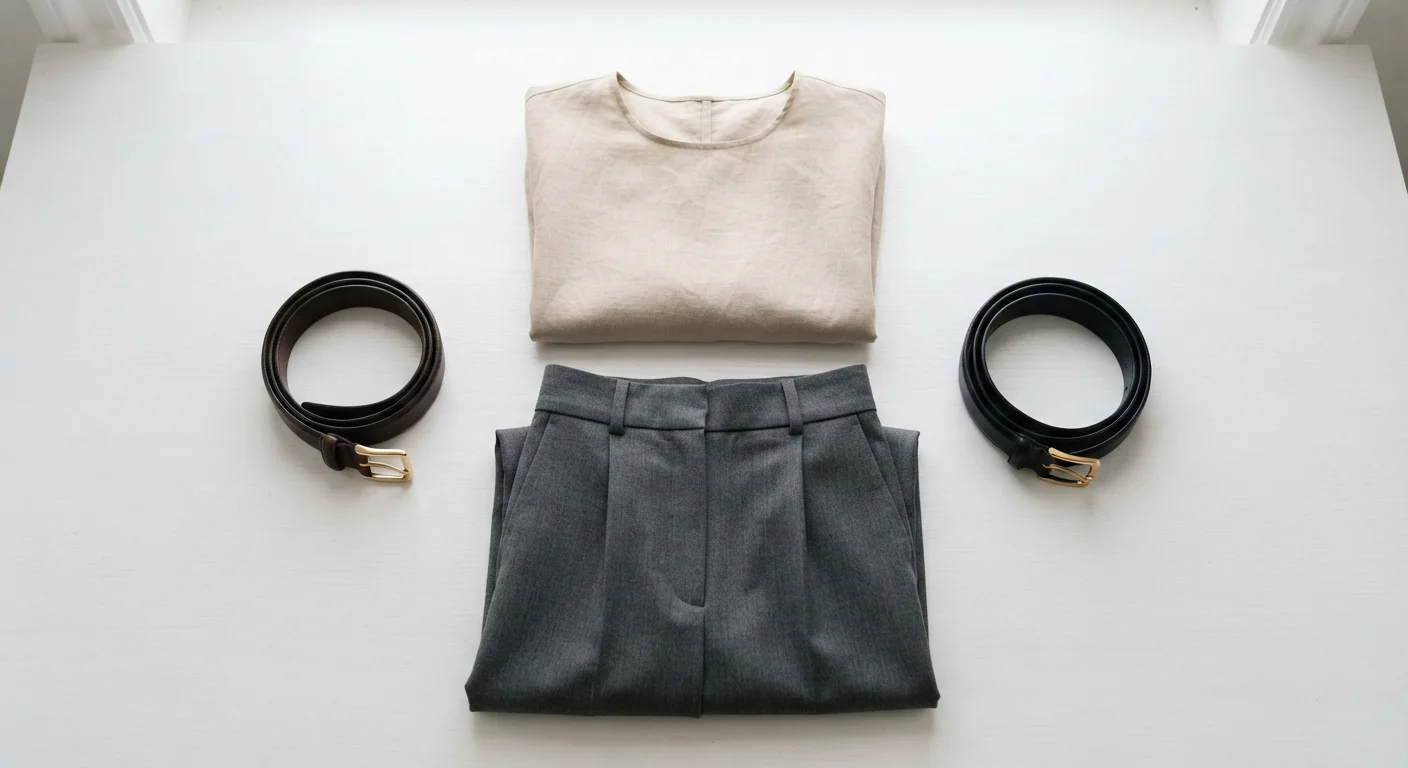
Photo: UnlockTopics.com | Unlocking Trending Content editorial
Key Takeaways
- Proportion is about how clothing volumes relate to each other, not just body shape.
- Balancing fitted and relaxed silhouettes is the core skill in proportional dressing.
- Visual weight — created by fabric, color, and detail — matters as much as physical fit.
- Breaking proportional rules intentionally is a valid stylistic choice once you understand them.
- Fit and proportion are related but distinct: good fit is a prerequisite for proportion to work.
What Proportion Actually Means in Fashion
Proportion in fashion describes the relationship between the volumes, lengths, and visual weights of the pieces you wear together. It is not a rule about what body type should wear what shape — it is about how an outfit reads as a whole composition, the way a painting or architectural facade is read for balance or tension.
When proportion is well-managed, an outfit appears intentional and effortless. When it is off, something feels slightly wrong even if you cannot pinpoint why. Understanding this mechanism — rather than following rigid style rules — gives you more control over how you present yourself regardless of what you're wearing or where you're going.
Proportion is closely related to, but distinct from, fit. Good fit is the foundation that proportional dressing is built on: no amount of clever volume-balancing rescues a garment that fits poorly at the shoulders or bunches at the waist.
Core Principles to Work With
Fashion educators and stylists consistently return to a handful of principles when explaining how proportion operates in practice. These are not commandments — they are frameworks that help you diagnose what is or isn't working in an outfit.
Balance one oversized volume with one fitted or streamlined piece.
Use fabric weight to signal visual weight before you even assess shape.
Consider where hemlines fall in relation to the widest point of a garment.
Treat layering as a proportional decision, not just a practical one.
Use the two-thirds/one-third visual split as a starting reference.
Proportion also intersects with color and pattern. A large-scale print, for example, adds visual weight that alters how a silhouette reads. If you are exploring both of these ideas simultaneously, pattern mixing logic and proportional balance reward being understood together.
Quick Ways to Sharpen Your Proportional Eye
Proportional awareness is a skill that develops with observation. The fastest way to build it is to study outfits with deliberate attention — noting not just what is worn, but how volume and length are distributed across the body.
Proportional dressing is not a static system. As seasons shift and silhouettes evolve, the volumes considered balanced shift with them. Staying current with seasonal trend context helps you understand which proportions feel fresh versus dated in any given moment — and lets you make that distinction on your own terms.
When Breaking Proportion Is the Point
Some of the most compelling fashion moments deliberately subvert proportional logic — an oversized coat worn over a cropped top and narrow trouser, or a voluminous skirt paired with a barely-there camisole. These combinations work not in spite of their imbalance but because the imbalance is controlled and intentional.
Intentional Imbalance Requires a Clear Anchor
The same logic applies when building outfits across a seasonal wardrobe. Color strategy — whether you favor bold blocking or quiet tonal looks — should be considered alongside your proportional choices, since both shape the visual weight of any outfit. For a longer-range approach, rotating a capsule wardrobe intelligently becomes much easier once you have internalized the proportional logic of the pieces you own.
This article is for informational and educational purposes only and reflects general style guidance rather than personalized advice.
The content on this site is for informational purposes only and is not a substitute for professional advice. Always consult a qualified professional for guidance specific to your situation.