
Hydration and Pets: Why Water Intake Is More Important Than Most Owners Realize

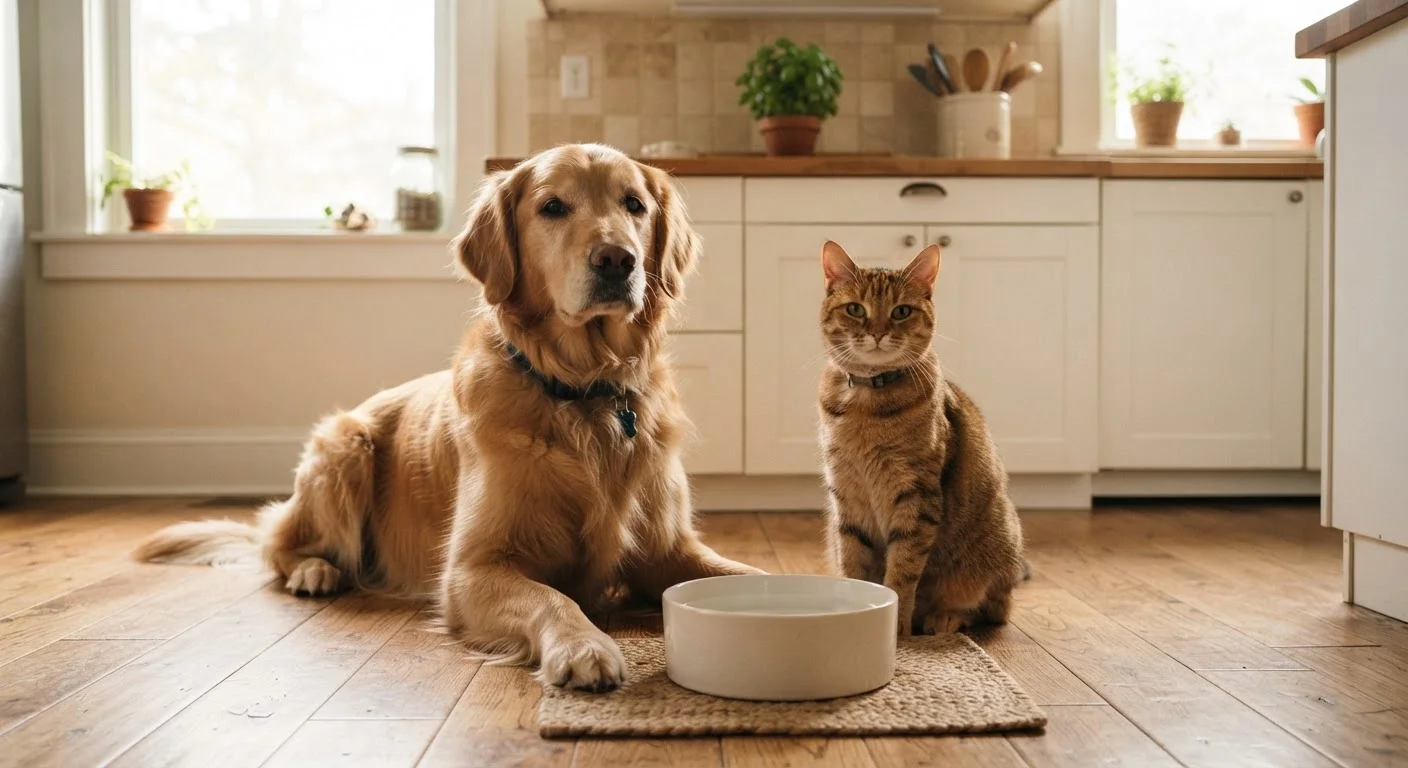
Photo: UnlockTopics.com | Unlocking Trending Content editorial
Key Takeaways
- Dogs and cats have very different natural drinking behaviors, which affects how dehydration develops in each species.
- Dry kibble-fed pets consume significantly less moisture through food than those eating wet diets.
- Early dehydration signs — lethargy, dry gums, and reduced skin elasticity — are often missed by owners.
- Multiple water sources, bowl placement, and water temperature can all influence how much a pet drinks.
- Persistent changes in drinking patterns — too much or too little — warrant a veterinary evaluation.
Why Water Is a Non-Negotiable Part of Pet Health
Water is the most essential nutrient any animal needs — more critical, in the short term, than protein, fat, or carbohydrates. In dogs and cats, water makes up roughly 60–80% of total body weight and is involved in nearly every biological process: circulating nutrients, flushing waste through the kidneys, regulating body temperature, and lubricating joints and tissues.
Despite this, hydration is one of the most commonly underestimated aspects of everyday pet care. Owners often focus on food quality while giving water intake little thought — assuming that a bowl left out is enough. In practice, whether a pet is actually drinking adequate amounts depends on bowl type, placement, diet composition, and species-specific behavior.
Understanding hydration is part of the broader picture of pet care basics — and it's one area where small adjustments can have a meaningful impact on long-term wellness.
~70–80%
Moisture content in typical wet pet food
Compared to roughly 10% in dry kibble, wet food contributes substantially more moisture per meal, according to general nutritional analysis of commercial pet foods.
~1 oz/lb
Estimated daily water need per pound of body weight in dogs
This is a widely referenced general guideline in veterinary nutrition; actual needs vary based on diet, activity, and individual health status.
60–80%
Proportion of a pet's body weight that is water
Water is the dominant component of mammalian physiology, making adequate intake essential for organ function, temperature regulation, and cellular health.
Dogs vs. Cats: Very Different Drinking Behaviors
Dogs and cats approach hydration differently — and owners benefit from understanding why. Dogs are generally enthusiastic drinkers and will seek out water when thirsty. Their thirst drive is reasonably reliable, though it can be outpaced by heavy exercise, heat, or illness.
Cats, by contrast, evolved in arid environments and historically obtained most of their moisture from prey animals. As a result, their thirst drive is comparatively weak. A cat eating only dry kibble may be in a state of mild, chronic low-level dehydration without showing obvious distress — a situation that, over time, can stress the kidneys and urinary tract.
This is one reason diet type matters so much. Wet versus dry food has real implications for hydration: wet food typically contains 70–80% moisture, while dry kibble contains roughly 10%. A cat subsisting on dry food alone is relying almost entirely on voluntary drinking — a habit the species isn't naturally inclined toward.
Lifestyle also plays a role. Indoor versus outdoor living affects how much a pet moves, how hot their environment gets, and how many opportunities they have to encounter water sources.
Recognizing the Signs of Dehydration
Mild dehydration can be easy to miss. Early signs are subtle and often attributed to tiredness or temporary behavioral changes. Knowing what to look for gives owners a meaningful advantage.
- Dry or tacky gums: Healthy gums should feel moist and slightly slippery. Dry or sticky gums suggest reduced hydration.
- Reduced skin elasticity: Gently pinch the skin at the back of the neck or between the shoulder blades. In a well-hydrated pet, it snaps back immediately. Slow return can indicate dehydration.
- Lethargy or reduced activity: A pet that is less engaged, slower to respond, or reluctant to move may be experiencing the effects of fluid loss.
- Sunken or dull eyes: Well-hydrated pets typically have bright, clear eyes. Sunken appearance can be a later-stage dehydration indicator.
- Reduced urination: Dark or infrequent urination may signal that the body is conserving water.
These are general educational indicators — not a diagnostic checklist. If you notice several of these signs together or they persist, contact your veterinarian promptly. Severe dehydration is a medical emergency. For a broader view of what healthy looks like across all systems, see our head-to-tail healthy pet reference.
When to Call the Vet About Drinking Habits
Practical Ways to Support Better Hydration
Encouraging adequate water intake doesn't require expensive solutions. Several practical strategies can make a real difference — particularly for cats and picky drinkers.
Placement and Number of Bowls
Pets are more likely to drink when water is convenient. Place multiple bowls in different rooms or areas of the home. Cats in particular benefit from water sources kept away from their food bowls, since many instinctively avoid drinking near where they eat — possibly a natural behavior linked to avoiding contaminated water near prey.
Bowl Material and Cleanliness
Some pets are sensitive to plastic bowls, which can harbor bacteria and odors over time. Stainless steel or ceramic bowls are generally easier to keep truly clean. Refreshing water daily — and washing bowls regularly — removes biofilm that can make water less appealing.
Water Fountains
Many cats and some dogs prefer moving water. Pet water fountains circulate water continuously, which can increase voluntary drinking, especially in cats. Consistent cleaning of the fountain filter is important to maintain water quality.
Diet Adjustments
Incorporating wet food — either as the primary diet or as a supplement — meaningfully increases moisture intake. Even adding a small amount of warm water to dry kibble can help, though palatability varies by individual pet.
This article provides general health education for pet owners and is not a substitute for professional veterinary advice. If you have concerns about your pet's hydration or health, consult a licensed veterinarian.
Hydration and Nutrient Absorption Are Linked
Frequently Asked Questions
The content on this site is for informational purposes only and is not a substitute for professional advice. Always consult a qualified professional for guidance specific to your situation.