
Annual Vet Visits vs. As-Needed Appointments: What Preventive Care Really Looks Like

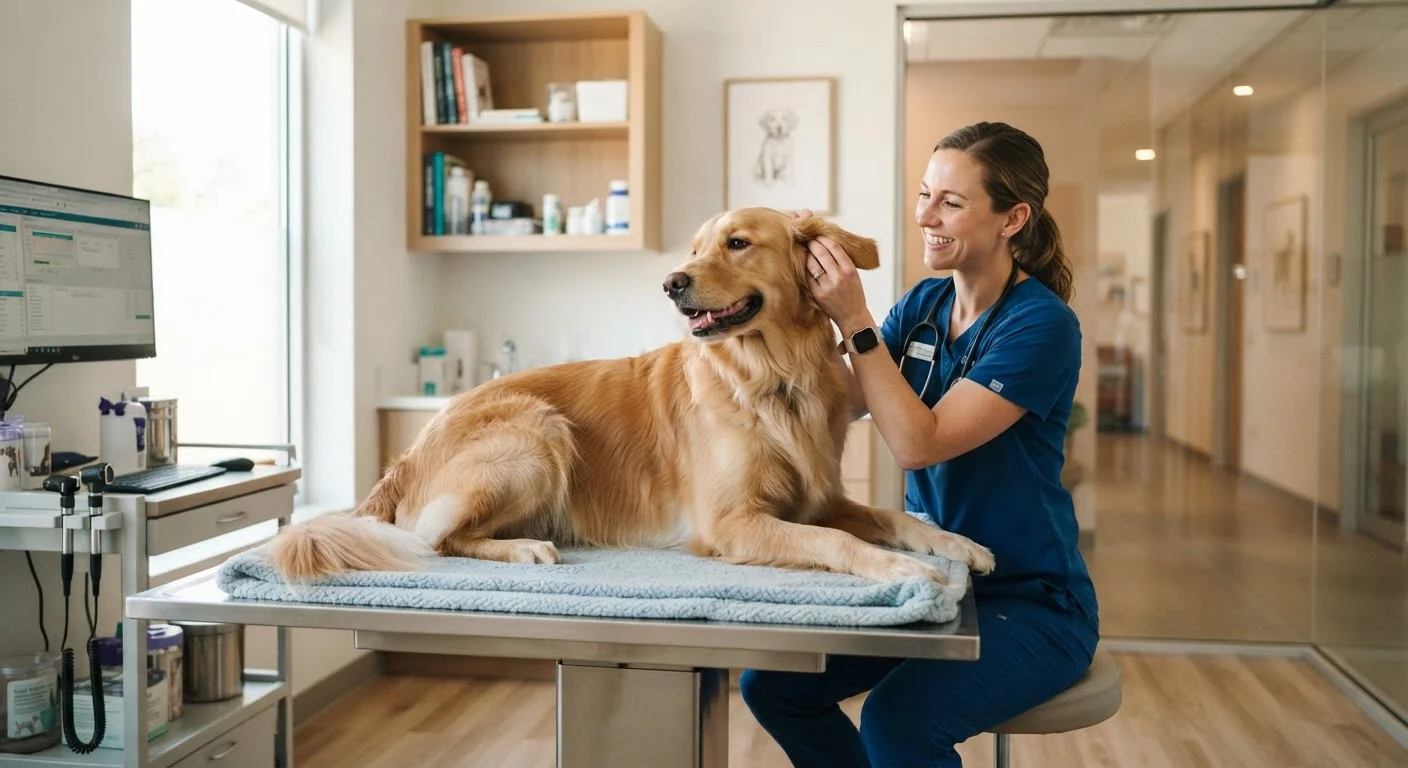
Photo: UnlockTopics.com | Unlocking Trending Content editorial
Key Takeaways
- Wellness exams can detect early-stage conditions before symptoms appear, when treatment is often more effective.
- As-needed appointments are appropriate for illness or injury but should not replace scheduled preventive care.
- Pets age faster than humans, making annual — or more frequent — checkups especially important for monitoring change.
- Preventive visits typically include physical exams, parasite screening, vaccine updates, and nutrition discussions.
- Senior pets and young animals often benefit from more frequent wellness visits than once a year.
Two Approaches, One Goal
Most pet owners know to bring their animal in when something is clearly wrong. Fewer realize that a visit when everything seems fine may matter just as much — or more. The distinction between preventive wellness exams and as-needed reactive appointments shapes how effectively problems are caught, managed, and sometimes avoided altogether.
Think of it this way: preventive care is the routine maintenance that keeps the engine running, while reactive care is the repair shop visit after something breaks down. Both have a place in responsible pet ownership, but they serve fundamentally different functions. Understanding the difference helps you make more informed decisions about your pet's care — and why skipping scheduled checkups carries real risks.
| Criterion | Annual Wellness Exams | As-Needed Appointments |
|---|---|---|
| Primary purpose | Prevention and early detection | Treating illness or injury |
| Triggered by | Calendar schedule | Symptoms or concern |
| Exam scope | Full nose-to-tail assessment | Focused on presenting issue |
| Diagnostics included | Often includes bloodwork, urinalysis | As relevant to the symptom |
| Vaccine and parasite review | Yes, routinely | Rarely the focus |
| Baseline data collected | Yes — builds health history | Limited without prior history |
| Best for | All life stages, healthy pets | Acute or urgent situations |
What Actually Happens at a Wellness Exam
A scheduled wellness visit is far more than a quick weigh-in. A thorough exam typically includes a nose-to-tail physical assessment, listening to heart and lung sounds, palpating the abdomen, checking eyes, ears, and teeth, and evaluating body condition score. Your vet will also review vaccination status, discuss parasite prevention, and ask about changes in appetite, behavior, or routine.
Depending on your pet's age and history, bloodwork, urinalysis, or fecal testing may be recommended. These diagnostics can reveal kidney changes, thyroid dysfunction, diabetes, or intestinal parasites — all conditions that may produce no visible symptoms in early stages. Oral health is also commonly assessed during a wellness visit; dental disease is among the most frequently overlooked aspects of pet wellness.
~80%
Dogs showing dental disease by age 3
The American Veterinary Medical Association estimates the majority of dogs develop some form of periodontal disease by age three — often identified during routine wellness exams.
7:1
Approximate dog-to-human aging ratio
While the ratio varies by breed and size, veterinary consensus holds that dogs generally age at a much faster rate than humans, underscoring the significance of annual — or more frequent — checkups.
1 in 3
Pets with a hidden health condition
Veterinary industry estimates suggest a meaningful proportion of pets that appear healthy to their owners have a detectable health issue identified during routine examination.
To stay on top of your pet's health between visits, a monthly at-home wellness checklist covering weight, coat, teeth, and behavior can help flag early changes before the next appointment.
When Reactive Care Is the Right Call
As-needed appointments exist because health doesn't always wait for a scheduled slot. Signs that warrant a prompt call to your vet include persistent vomiting or diarrhea, difficulty breathing, limping or sudden reluctance to move, unusual lumps, significant changes in thirst or urination, or any behavioral shift that feels abrupt and unexplained.
Reactive care is entirely appropriate in these situations — and should never be delayed because a wellness exam is months away. The concern arises when reactive visits become the only contact a pet has with veterinary care. A vet seeing your pet only during illness has no baseline for comparison and limited opportunity to identify gradual, silent changes in health status.
Reactive Care Has Limits Without a Baseline
It's also worth noting that pets — particularly dogs and cats — age significantly faster than humans. A one-year gap between exams can represent a meaningful window in which chronic disease progresses undetected. The seasonal preventive care checklist can help you align vet visits with parasite prevention, vaccination timing, and environmental risks throughout the year.
Finding the Right Cadence for Your Pet
There's no single universal schedule that fits every animal. General guidelines from veterinary organizations suggest annual wellness exams for healthy adult dogs and cats, with more frequent visits — often every six months — recommended for puppies, kittens, and senior pets. Pets with known chronic conditions may need quarterly check-ins or tailored monitoring plans.
The conversation about frequency is worth having directly with your vet, who can factor in your pet's species, breed, age, weight, lifestyle, and health history. What matters most is that wellness exams happen on a consistent, intentional basis — not only when a problem becomes impossible to ignore. Explore more foundational guidance in the pet care basics hub to build a fuller picture of everyday preventive habits.
This article is for general informational and educational purposes only and is not a substitute for professional veterinary advice. Always consult a licensed veterinarian for guidance specific to your pet's health needs.
The content on this site is for informational purposes only and is not a substitute for professional advice. Always consult a qualified professional for guidance specific to your situation.