
Why Dental Health Is One of the Most Overlooked Aspects of Pet Wellness

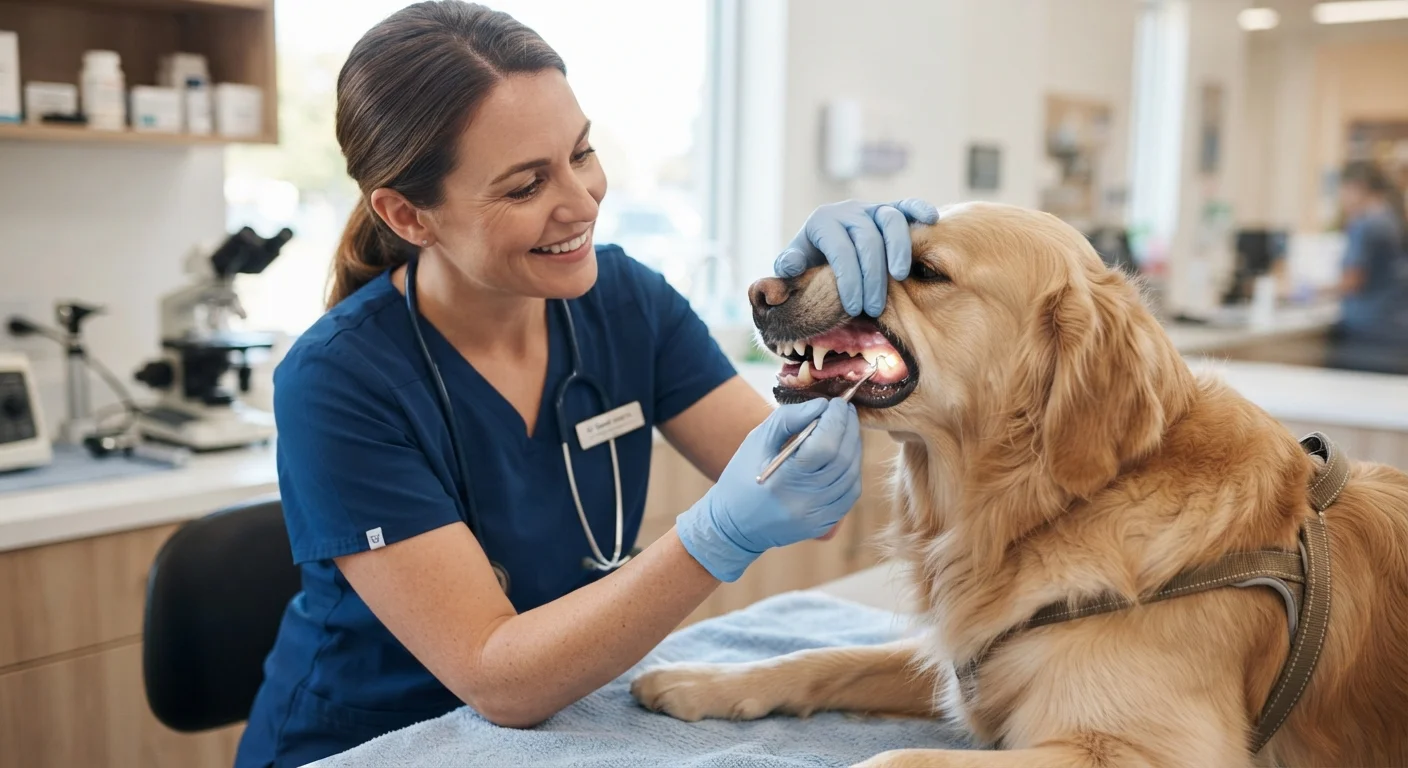
Photo: UnlockTopics.com | Unlocking Trending Content editorial
Key Takeaways
- Periodontal disease affects the majority of dogs and cats by age three, according to veterinary estimates.
- Dental problems can silently progress for months before owners notice any outward signs.
- Daily toothbrushing with pet-safe toothpaste remains the most effective at-home prevention tool.
- Professional cleanings under anesthesia allow vets to assess below the gumline where real damage often hides.
- Untreated oral disease has been linked to effects on the heart, kidneys, and liver in some studies.
Why Pet Dental Health Gets Left Behind
When most owners picture pet wellness, they think vaccines, flea prevention, and annual checkups. Teeth rarely make the list — yet veterinary organizations consistently identify periodontal disease as one of the most prevalent conditions seen in companion animals. According to the American Veterinary Dental College, most dogs and cats show some signs of periodontal disease by the time they are three years old.
Part of the problem is invisibility. Unlike a limp or a skin rash, early-stage dental disease often produces no obvious symptoms. Pets instinctively mask discomfort, and owners may interpret continued eating as a sign that everything is fine. By the time bad breath, drooling, or difficulty chewing becomes noticeable, the disease has often been progressing quietly for a long time.
This gap between perception and reality makes dental health one of the most consequential blind spots in routine pet care. See the signs of a healthy pet guide for a fuller picture of what normal gums and teeth look like across common species.
What Periodontal Disease Actually Involves
Periodontal disease is not simply "dirty teeth." It is an infection of the structures supporting the teeth — gums, ligaments, and bone — caused by bacteria in plaque that hardens into tartar. Left unaddressed, it progresses through stages: from mild gum inflammation (gingivitis) to deeper infection that can destroy bone and cause tooth loss.
What makes it particularly serious is the potential for systemic effects. Some veterinary research has identified associations between chronic oral infection and changes in the heart, kidneys, and liver — though the nature of these links is still being studied. The mouth is not isolated from the rest of the body, and sustained bacterial load matters.
~80%
Dogs showing periodontal disease by age 3
The American Veterinary Dental College estimates that most dogs exhibit some degree of periodontal disease by their third year of life.
70%+
Cats affected by dental disease
Veterinary sources broadly estimate that the majority of cats over three years old have some form of dental disease, often going undetected without professional examination.
It is worth noting that cats and small-breed dogs are often at elevated risk for more severe dental disease due to differences in tooth crowding and jaw structure. This is general information; your veterinarian is the right person to assess your specific pet's risk profile.
Best Practices for Supporting Your Pet's Oral Health
The following practices reflect guidance from veterinary dental specialists and general practitioners. They are preventive in nature and work best when started early — though it is never too late to improve a pet's dental care routine.
Brush your pet's teeth daily using a toothbrush and toothpaste formulated for animals.
Schedule professional dental cleanings as recommended by your veterinarian.
Learn to recognize early warning signs and bring them to your vet promptly.
Use veterinary-approved dental supplements and products as an adjunct to brushing, not a replacement.
Include oral examination as a regular part of home health monitoring.
Quick Steps You Can Take This Week
Getting started with dental care does not require a major overhaul. A few targeted habits, introduced gradually, can meaningfully improve your pet's oral baseline over time.
Dental health is also one component of a broader wellness picture. The monthly pet wellness checklist includes teeth alongside coat, weight, and behavior — a useful structure for staying consistent. And if you are evaluating your pet's overall care routine, well-meaning habits that can quietly harm a pet's health is worth reading alongside this article.
This article is for general informational purposes only and does not constitute veterinary advice. Always consult a licensed veterinarian for guidance specific to your pet's health needs.
The content on this site is for informational purposes only and is not a substitute for professional advice. Always consult a qualified professional for guidance specific to your situation.