
The Case for Routine Vet Visits — Even When Your Pet Seems Fine

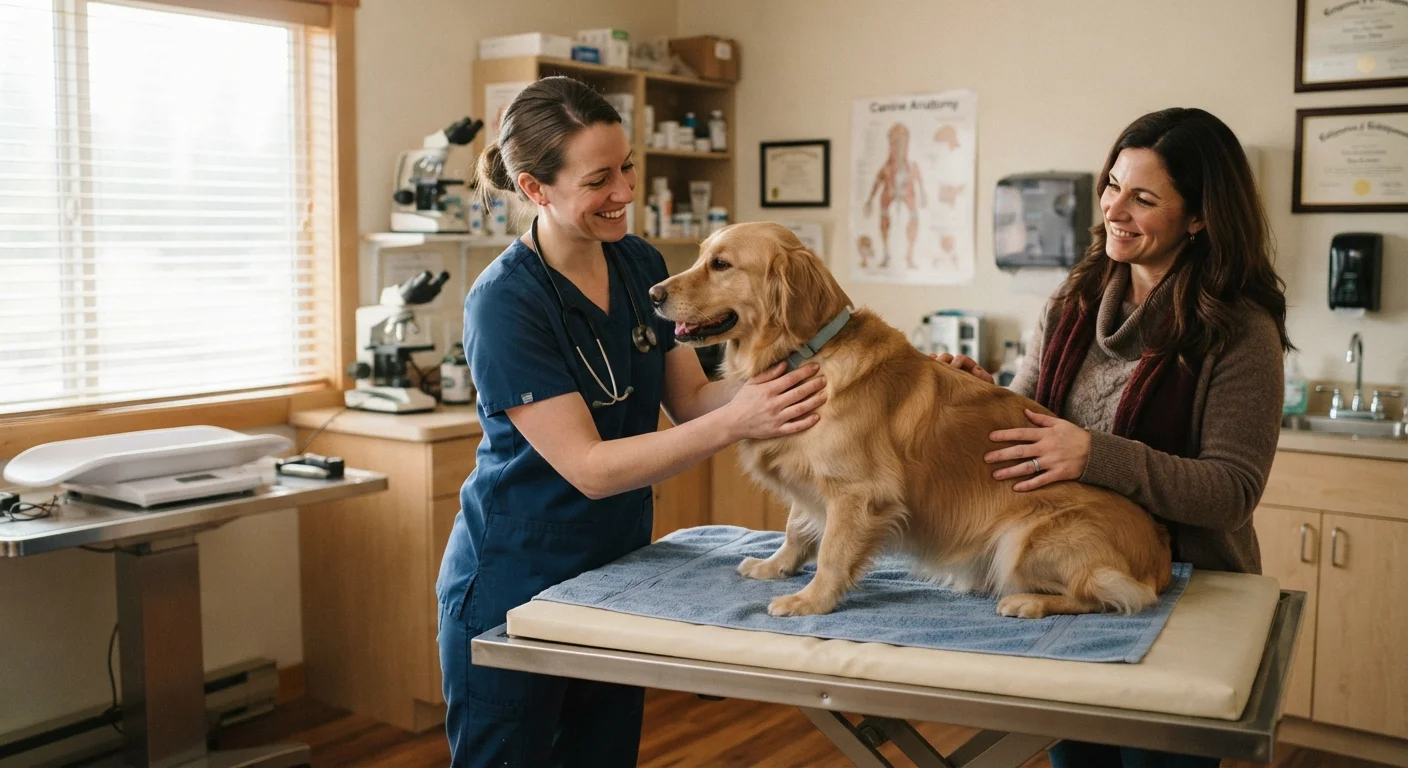
Photo: UnlockTopics.com | Unlocking Trending Content editorial
Key Takeaways
- Pets instinctively mask pain and illness, so 'seeming fine' is not a reliable health indicator.
- Annual or biannual wellness exams allow vets to catch developing conditions before they become costly or life-threatening.
- A typical check-up covers weight, teeth, heart, joints, eyes, ears, and vaccination status.
- Senior pets and puppies or kittens generally need more frequent visits than healthy adult animals.
- Early detection almost always means simpler, less expensive treatment options.
Why 'Seems Fine' Isn't Enough
One of the most important things to understand about animals is that they are biologically wired to conceal vulnerability. In the wild, showing signs of weakness attracts predators — so dogs and cats often mask discomfort, pain, or early illness until symptoms become impossible to hide. By the time a pet owner notices something is wrong, a condition may already be well developed.
This instinct makes routine veterinary visits especially valuable. A trained veterinarian can detect a heart murmur through a stethoscope, feel an enlarged lymph node during a physical exam, or notice subtle weight loss that has crept up over months — all before you'd have any reason to be concerned. For a deeper look at how scheduled and as-needed visits differ, see our article on annual vet visits vs. as-needed appointments.
~85%
Pets with dental disease by age 3
According to the American Veterinary Medical Association, the majority of dogs and cats show signs of dental disease by their third birthday — often without obvious symptoms.
2x
Recommended visit frequency for senior pets
Most veterinary organizations recommend biannual (twice-yearly) wellness exams for pets aged 7 and older, compared to the standard annual visit for healthy adults.
What a Routine Check-Up Actually Involves
A standard wellness exam is more thorough than many pet owners expect. Your vet will typically assess the following:
- Weight and body condition: Gradual weight gain or loss can signal metabolic issues, dental pain, or internal disease.
- Teeth and gums: Dental disease is among the most common — and most overlooked — health problems in dogs and cats.
- Heart and lungs: Auscultation (listening with a stethoscope) can reveal early murmurs or respiratory irregularities.
- Eyes, ears, and skin: Early signs of infection, allergy, or parasites often appear here first.
- Joint health and mobility: Especially important in older pets, where arthritis can develop gradually and silently.
- Vaccination status: The vet will review and update any immunizations due.
- Parasite prevention: Flea, tick, heartworm, and intestinal parasite control will be reviewed.
If you want a structured way to track your pet's health between visits, the monthly pet wellness checklist is a useful at-home companion tool.
Bring a List to Every Appointment
How Visit Frequency Changes with Age
Not all life stages carry the same risk profile. Here's a general framework most vets follow:
- Puppies and kittens (under 1 year)
- Typically visit every 3–4 weeks until around 16 weeks old to complete initial vaccine series, then again around the one-year mark.
- Healthy adults (roughly 1–7 years)
- Annual wellness exams are the standard recommendation for most dogs and cats in this range.
- Senior pets (7+ years, varies by species and size)
- Biannual exams are widely recommended, as organ function, weight, and mobility can shift more quickly at this stage.
These are general guidelines — your own veterinarian may suggest a different schedule based on your pet's breed, health history, and individual risk factors. Always follow your vet's specific recommendations.
If you're just getting started as a pet owner, our introduction to veterinary care for first-time owners covers the basics from that very first appointment.
The Real Cost of Skipping Visits
It's understandable to delay a vet visit when your pet appears perfectly healthy — especially if cost or scheduling is a concern. But skipping routine care tends to create a false economy. Conditions caught during a wellness exam — early kidney disease, a small mammary lump, mild hypothyroidism — are typically far less expensive and less traumatic to treat than the same conditions discovered in an emergency context.
Beyond treatment costs, there's quality-of-life impact to consider. A dog living with undiagnosed arthritis, for example, may be quietly suffering while appearing to simply 'slow down with age.' Regular vet visits create an ongoing health record that makes it easier to spot those gradual changes.
For a seasonal approach to keeping your pet's preventive care on track throughout the year, the preventive pet care seasonal checklist offers a practical starting point. You can also explore broader wellness guidance through our Pet Health & Wellness hub.
This article is for general informational purposes only and does not constitute veterinary medical advice. Always consult a licensed veterinarian for guidance specific to your pet's health needs.
Frequently Asked Questions
The content on this site is for informational purposes only and is not a substitute for professional advice. Always consult a qualified professional for guidance specific to your situation.