
First-Time Pet Owner's Introduction to Veterinary Care

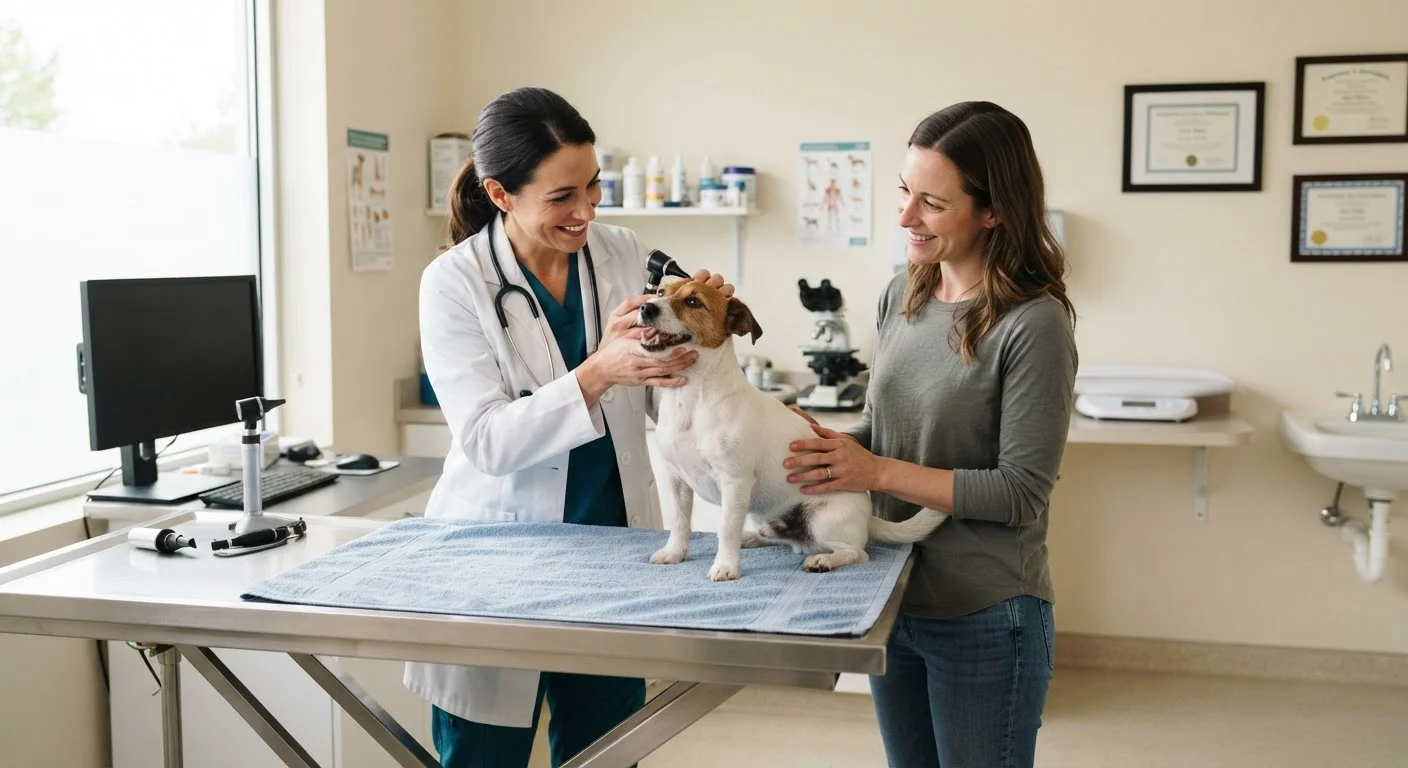
Photo: UnlockTopics.com | Unlocking Trending Content editorial
Key Takeaways
- Schedule a vet visit within the first week of bringing a new pet home.
- Core vaccinations protect against serious, preventable diseases and follow a structured schedule.
- Parasite prevention — flea, tick, and heartworm — is an ongoing part of routine care.
- Nutrition needs vary by species, age, and size; your vet is the best source of guidance.
- Knowing the warning signs of illness helps you act quickly when it matters most.
Scheduling Your First Vet Visit
Bringing a new pet home is exciting — and one of the most important early steps is establishing veterinary care. Aim to schedule a wellness visit within the first week, even if your pet came with a health certificate from a breeder or shelter. That initial exam creates a baseline record of your animal's weight, temperature, heart rate, and overall condition.
When choosing a veterinarian, look for a practice that sees your specific type of animal. Not all vets treat every species — a clinic specializing in dogs and cats may not be equipped for rabbits or reptiles. Ask neighbors, local shelters, or your breeder for recommendations, then call ahead to confirm the practice accepts new patients and your pet's species.
Bring any health records you received at adoption or purchase, including previous vaccine dates and deworming history. A list of questions prepared in advance helps you make the most of your appointment time. This visit is also a good moment to discuss settling-in routines and what normal adjustment behavior looks like.
Wellness exam
A routine check-up performed when a pet appears healthy, used to assess overall condition, update vaccinations, and catch potential issues early.
Core vaccines
Vaccinations recommended for all animals of a given species because they protect against widespread, serious, or legally required diseases.
AAFCO statement
A label claim on pet food indicating it meets nutrient standards set by the Association of American Feed Control Officials for a specific life stage.
Heartworm prevention
A monthly or periodic medication that kills heartworm larvae before they mature into adult worms, which can be fatal in dogs if untreated.
Fecal exam
A laboratory test of a stool sample used to detect intestinal parasites such as roundworms, hookworms, and giardia.
Body condition score
A standardized assessment — usually on a scale of 1 to 9 — that rates whether an animal is underweight, at an ideal weight, or overweight based on visual and physical cues.
What Happens During a Wellness Exam
A standard wellness exam is a head-to-tail physical assessment. Your vet will check your pet's eyes, ears, teeth, skin, and coat; listen to the heart and lungs; palpate the abdomen; and assess body condition and weight. For young animals, they'll also evaluate development milestones appropriate to the species.
The appointment typically lasts 30–45 minutes and includes time for questions. Your vet may recommend diagnostic tests — such as a fecal exam to screen for intestinal parasites — depending on your pet's history and risk factors. These aren't always routine, but they're commonly suggested for newly adopted animals whose background is uncertain.
To understand how these wellness visits fit into long-term preventive care, see our article on what preventive care really looks like as your pet grows. You can also use our head-to-tail reference for healthy pets to understand what normal looks like between visits.
Make the Most of Every Appointment
Core Vaccinations and Parasite Prevention
Vaccines protect your pet from serious, often life-threatening diseases. For dogs, core vaccines generally include distemper, parvovirus, adenovirus, and rabies. For cats, the core set typically covers feline viral rhinotracheitis, calicivirus, panleukopenia (the FVRCP combination), and rabies. Rabies vaccination is legally required in most U.S. states for both dogs and cats.
Young animals receive a series of boosters — usually every 3–4 weeks from about 6–8 weeks of age until around 16 weeks — because maternal antibodies can interfere with vaccine effectiveness early on. After that initial series, adult boosters are given on a schedule your vet will outline, typically annually or every three years depending on the vaccine.
Parasite control is equally essential. Fleas and ticks can transmit disease, and heartworm — spread by mosquitoes — can be fatal if untreated in dogs. Year-round prevention is generally recommended in most U.S. regions. Intestinal parasites like roundworms and hookworms are common in young animals and are addressed through routine fecal testing and deworming. Your vet will recommend a prevention protocol suited to your pet's lifestyle and local disease risk.
Never Skip the Rabies Vaccine
Nutrition Basics for New Pet Owners
Feeding the right food in the right amounts is one of the most impactful things you can do for your pet's long-term health. Nutritional needs vary by species, age, size, and health status. A puppy has very different caloric and developmental needs than an adult dog; a senior cat may need a different protein and hydration balance than a young one.
Look for pet foods that display an AAFCO (Association of American Feed Control Officials) statement indicating the food is complete and balanced for your pet's life stage. This doesn't guarantee a specific brand is ideal for your individual animal, but it confirms the food meets established nutrient standards.
Avoid common feeding pitfalls: free-feeding (leaving food out all day) can contribute to obesity, and many human foods — including grapes, onions, chocolate, and xylitol — are toxic to pets. Portion guidance on food packaging is a starting point, not a prescription. Your vet is the most reliable source for feeding recommendations tailored to your specific pet. For a broader view of how nutritional needs shift over time, our guide on caring for a pet at every life stage offers useful context.
Warning Signs That Warrant a Vet Call
Knowing when to seek care between scheduled visits is a critical skill for any pet owner. Some signs require prompt attention; others are worth monitoring but not immediately urgent. When in doubt, a quick call to your vet's office for guidance is always appropriate — most clinics are happy to advise by phone.
Contact your vet promptly if you notice any of the following:
- Sudden loss of appetite lasting more than 24 hours
- Vomiting or diarrhea that is frequent, bloody, or accompanied by lethargy
- Difficulty breathing, persistent coughing, or wheezing
- Straining to urinate, or no urination for more than 12 hours
- Unexplained weight loss or a visibly distended abdomen
- Seizures, collapse, or sudden disorientation
For a fuller picture of what normal looks like — so you can better recognize when something is off — explore our guide to signs of a healthy pet. Understanding baseline norms is one of the most practical tools a new pet owner can have.
This article is for general informational and educational purposes only. It is not a substitute for professional veterinary advice, diagnosis, or treatment. Always consult a licensed veterinarian for guidance specific to your pet's health and circumstances.
Frequently Asked Questions
The content on this site is for informational purposes only and is not a substitute for professional advice. Always consult a qualified professional for guidance specific to your situation.