
Owning a Small Pet: The Honest Advantages and Overlooked Challenges

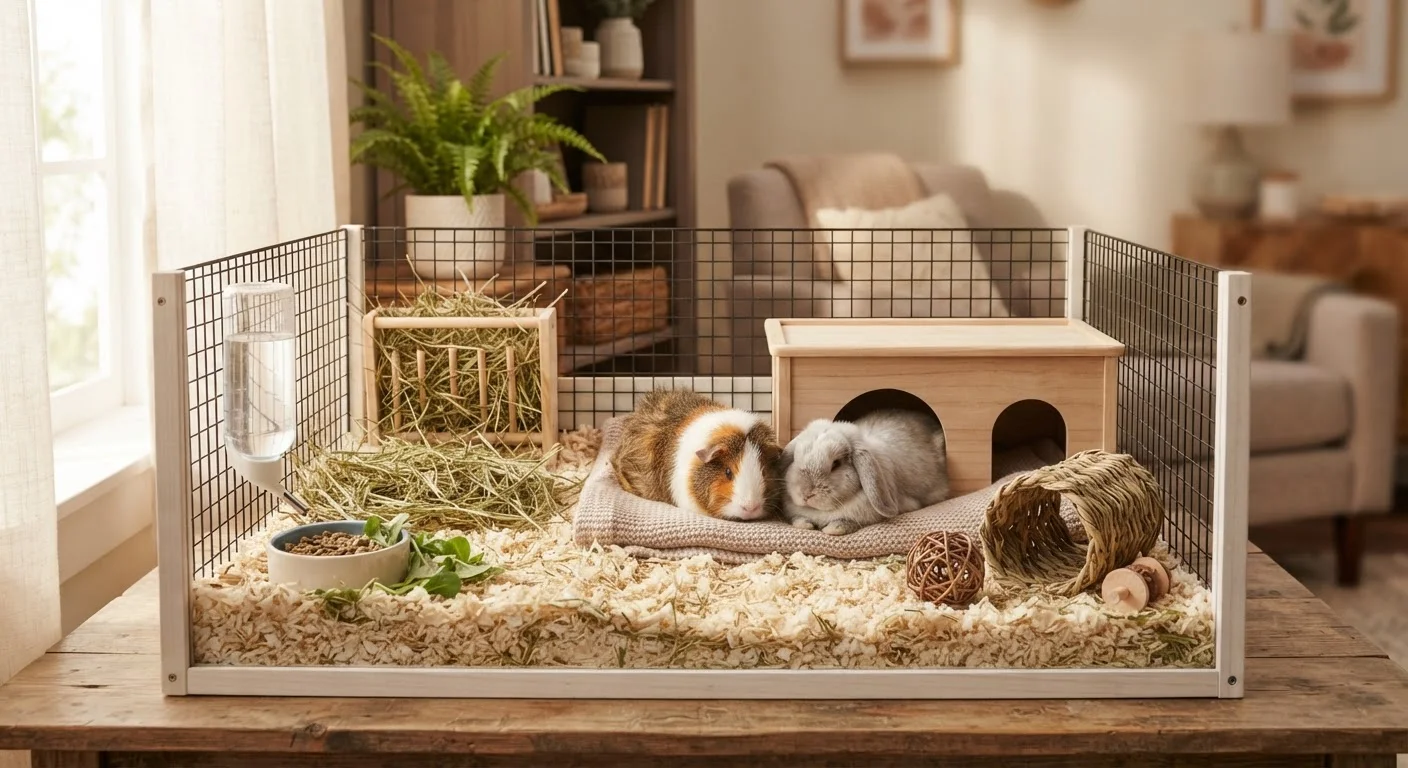
Photo: UnlockTopics.com | Unlocking Trending Content editorial
Key Takeaways
- Small pets generally cost less upfront than cats or dogs, but ongoing care adds up quickly.
- Many small animals are social creatures and suffer without adequate interaction or companionship.
- Veterinary care for small pets can be harder to access and more expensive per visit than for common pets.
- Proper housing, diet, and enrichment vary significantly by species - research before committing.
- Small pets are rarely 'low maintenance' - most require daily feeding, cleaning, and observation.
Lower initial acquisition and housing costs
Small pets typically cost less to purchase and require less expensive initial housing setups than dogs or cats. A rabbit hutch or guinea pig enclosure is far more affordable than outfitting for a large dog.
Well-suited to smaller living spaces
Apartments, condos, and homes without yards can comfortably accommodate most small animals. This makes them a practical option for urban dwellers with space constraints or rental restrictions on pets.
Quieter than dogs or cats
Most small pets don't bark, meow loudly, or create noise disturbances. This can be important in shared housing situations or for owners who work from home.
Can foster genuine emotional bonds
Rats, guinea pigs, and rabbits in particular are capable of recognizing their owners and forming real attachments. Many owners report rewarding, affectionate relationships with their small animals over time.
Shorter daily time commitment than dogs
Small pets don't require walks or outdoor exercise sessions. Daily care is largely contained to feeding, spot-cleaning, and interaction within the home environment.
Veterinary care is harder to access and costly
Small animals are considered 'exotic' by many veterinary practices, meaning you'll need a specialist rather than a general vet. Exotic vet visits are often more expensive, and fewer practices offer them - particularly in rural areas.
Short lifespans mean frequent loss
Hamsters typically live 2-3 years; rats 2-4 years. Owners - particularly children - should be emotionally prepared for this reality, which can make small pets a source of repeated grief rather than stability.
Many species are solitary or require companionship
Guinea pigs and rats are social animals that suffer in isolation, often requiring same-species companions. Hamsters, by contrast, are typically solitary and fight when housed together. Understanding your species is non-negotiable.
Daily cleaning is non-negotiable
Small enclosures accumulate waste quickly and can become unsanitary within 24-48 hours if not maintained. Bedding spot-cleaning should happen daily, with full cage cleans weekly - this is time-consuming and cannot be skipped.
Diet requirements are often misunderstood
Commercial seed mixes are commonly marketed for hamsters and guinea pigs, but they're typically inadequate as a sole diet. Species-appropriate feeding - fresh hay, leafy greens, limited pellets - requires knowledge and daily effort.
May not suit young children without close adult supervision
Many small animals are fragile, fast-moving, and stress easily when handled incorrectly. Young children may unintentionally injure the animal or provoke a bite. These pets work best when adults are the primary caregivers.
Why Small Pets Appeal - and Where That Impression Gets Complicated
Hamsters, guinea pigs, rabbits, gerbils, and rats are among the most commonly kept small pets in the US. They're often presented as ideal starter animals - compact, quiet, and manageable. That reputation is partially earned, but it obscures some meaningful realities about their care needs.
Understanding both sides honestly is the most useful thing a prospective owner can do. Whether you're considering a small pet for yourself, a child, or a small living space, the picture is more nuanced than it first appears. See our complete beginner's roadmap for a broader overview of what first-time ownership involves.
Lower initial acquisition and housing costs
Small pets typically cost less to purchase and require less expensive initial housing setups than dogs or cats. A rabbit hutch or guinea pig enclosure is far more affordable than outfitting for a large dog.
Well-suited to smaller living spaces
Apartments, condos, and homes without yards can comfortably accommodate most small animals. This makes them a practical option for urban dwellers with space constraints or rental restrictions on pets.
Quieter than dogs or cats
Most small pets don't bark, meow loudly, or create noise disturbances. This can be important in shared housing situations or for owners who work from home.
Can foster genuine emotional bonds
Rats, guinea pigs, and rabbits in particular are capable of recognizing their owners and forming real attachments. Many owners report rewarding, affectionate relationships with their small animals over time.
Shorter daily time commitment than dogs
Small pets don't require walks or outdoor exercise sessions. Daily care is largely contained to feeding, spot-cleaning, and interaction within the home environment.
The Real Challenges You Should Anticipate
The disadvantages of small pet ownership are rarely discussed as openly as the appeal. Many are species-specific, but some apply broadly enough that every prospective owner should weigh them carefully.
Veterinary care is harder to access and costly
Small animals are considered 'exotic' by many veterinary practices, meaning you'll need a specialist rather than a general vet. Exotic vet visits are often more expensive, and fewer practices offer them - particularly in rural areas.
Short lifespans mean frequent loss
Hamsters typically live 2-3 years; rats 2-4 years. Owners - particularly children - should be emotionally prepared for this reality, which can make small pets a source of repeated grief rather than stability.
Many species are solitary or require companionship
Guinea pigs and rats are social animals that suffer in isolation, often requiring same-species companions. Hamsters, by contrast, are typically solitary and fight when housed together. Understanding your species is non-negotiable.
Daily cleaning is non-negotiable
Small enclosures accumulate waste quickly and can become unsanitary within 24-48 hours if not maintained. Bedding spot-cleaning should happen daily, with full cage cleans weekly - this is time-consuming and cannot be skipped.
Diet requirements are often misunderstood
Commercial seed mixes are commonly marketed for hamsters and guinea pigs, but they're typically inadequate as a sole diet. Species-appropriate feeding - fresh hay, leafy greens, limited pellets - requires knowledge and daily effort.
May not suit young children without close adult supervision
Many small animals are fragile, fast-moving, and stress easily when handled incorrectly. Young children may unintentionally injure the animal or provoke a bite. These pets work best when adults are the primary caregivers.
Small Doesn't Mean Simple
Underestimating care demands is one of the most common mistakes small pet owners make. Some well-intentioned habits - like feeding seeds as a staple diet or housing social animals alone - can quietly compromise an animal's health over time. Learn which routine habits can harm a pet's health before they become a problem.
Key Care Considerations by Species
Not all small pets are equivalent in their demands. Here's a brief breakdown of what sets common species apart:
- Guinea pigs: Highly social - they generally need at least one companion of the same species. They require daily fresh vegetables and vitamin C supplementation, since they can't synthesize it themselves.
- Rabbits: Often misunderstood as low-effort pets. Rabbits need significant space, daily exercise outside a cage, a hay-based diet, and regular veterinary care including spaying or neutering. Indoor versus outdoor housing choices have significant welfare implications for rabbits specifically.
- Hamsters: Solitary and nocturnal. They're often handled during the day when they'd prefer to sleep, which contributes to stress biting. Cage size requirements are frequently underestimated - most commercially sold cages are too small by welfare standards.
- Rats: Among the most intelligent and social small pets. They bond strongly with owners but require significant daily interaction and mental stimulation.
~6.7M
Small animal pets kept in US households
According to the American Pet Products Association's National Pet Owners Survey, small animals including rabbits, hamsters, and guinea pigs are kept in millions of American homes.
2-3 years
Average hamster lifespan
Most dwarf and Syrian hamster species have a lifespan of 2-3 years under good husbandry conditions, a fact many new owners are unprepared for emotionally.
Whatever species you choose, the first week at home sets important behavioral and health baselines. What to expect in your first week with a new pet can help you prepare practically for that transition period.
This article provides general educational information about small pet ownership and is not a substitute for advice from a qualified veterinarian familiar with your specific animal and circumstances.
The content on this site is for informational purposes only and is not a substitute for professional advice. Always consult a qualified professional for guidance specific to your situation.