
What Your Dog's Body Language Is Actually Telling You

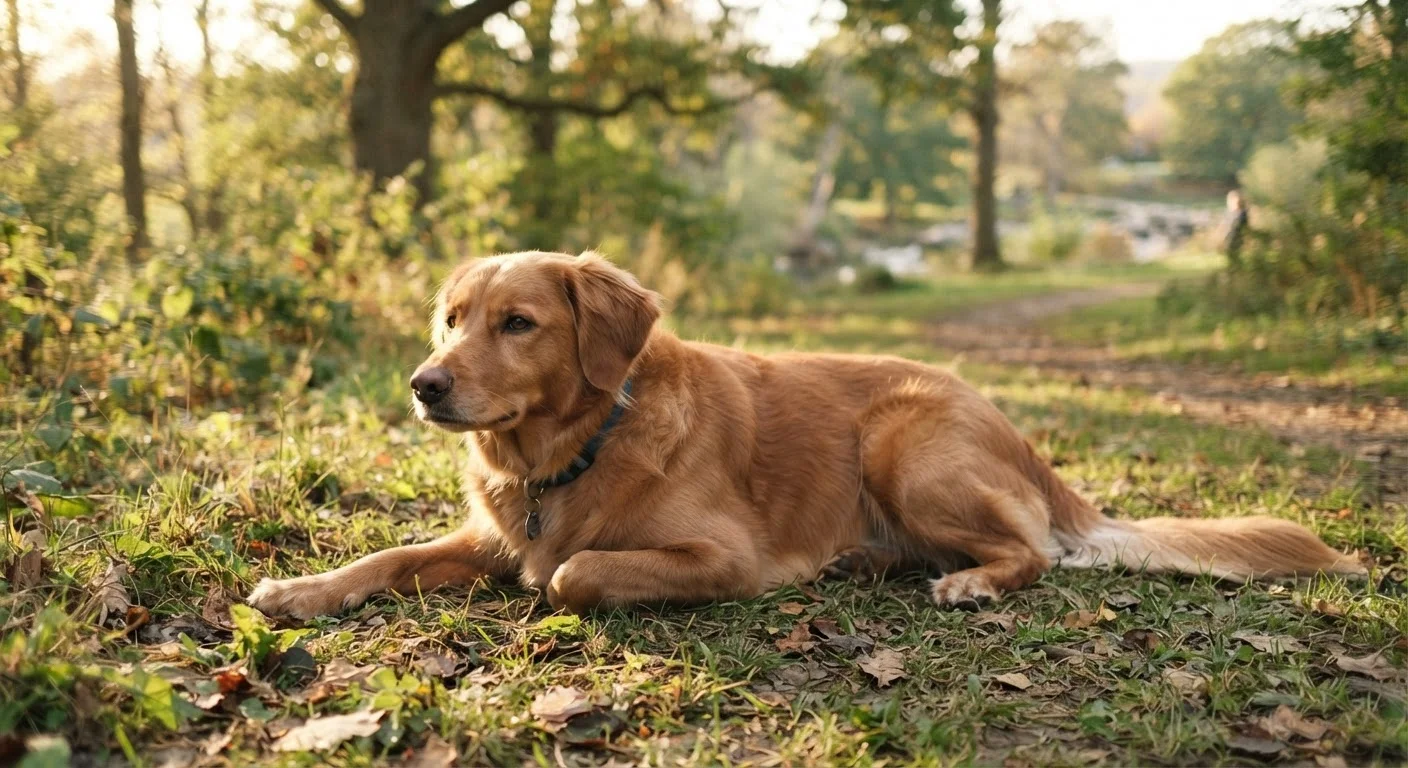
Photo: UnlockTopics.com | Unlocking Trending Content editorial
Key Takeaways
- No single signal tells the whole story - always read multiple cues together.
- A wagging tail does not automatically mean a happy dog; speed and position matter.
- Stress signals like lip-licking and yawning are easy to miss but important to recognize.
- Relaxed body posture - loose muscles, soft eyes - is a reliable indicator of a comfortable dog.
- Understanding body language can help prevent bites and reduce your dog's anxiety.
Why Dogs Communicate Without Words
Dogs evolved alongside humans over thousands of years, developing a remarkably nuanced system of physical communication. They don't just react - they signal ahead of time, giving warnings, invitations, and emotional updates through their bodies constantly. The challenge for owners is that many of these signals are subtle, fleeting, or easily misread.
Understanding what your dog is actually expressing - rather than what you hope it means - is one of the most practical skills a dog owner can develop. It can prevent misunderstandings, reduce unnecessary stress for your dog, and build genuine trust. For a broader look at how physical cues reveal health and wellbeing, see our guide to what vets want you to know about pet body language.
~100%
Communication that is non-verbal in dogs
Canine behavioral scientists broadly agree that dogs rely almost entirely on body language and scent - not vocalization - as their primary communication system.
30+
Distinct body language signals identified in dogs
Ethologists have documented dozens of discrete canine calming and communicative signals, according to foundational work by Norwegian dog trainer and researcher Turid Rugaas.
Reading the Tail: Speed, Height, and Direction
The tail is one of the most watched - and most misunderstood - signals in canine communication. The key variables are position, speed, and stiffness, not just movement.
- Mid-level, loose wag: Relaxed and friendly. The classic happy-dog wag.
- High, stiff, rapid wag: Arousal and alertness, not necessarily friendliness. Can precede aggression.
- Low or tucked tail: Anxiety, submission, or fear. A deeply tucked tail signals significant stress.
- Slow, low wag: Uncertainty. The dog is assessing a situation.
Research from animal behavior studies also suggests that dogs wag more to the right when feeling positive emotions and more to the left when feeling negative ones - though this is difficult to observe with the naked eye.
Ears, Eyes, and Facial Signals
A dog's face carries an enormous amount of emotional information. Ears and eyes are particularly expressive.
Ears
Ears held naturally or slightly forward typically indicate interest and engagement. Ears flattened back against the head signal fear or submission. Ears pricked sharply forward mean alertness - which can be curiosity or tension depending on context.
Eyes
Soft, relaxed eyes with a slightly squinted appearance indicate comfort. Hard, unblinking, wide eyes - sometimes showing the whites (called "whale eye") - are a clear stress or threat signal. Avoiding eye contact is an appeasement behavior; sustained direct eye contact can be perceived as a challenge by dogs.
Mouth
A relaxed open mouth with a loose tongue suggests ease. A tightly closed mouth or lips pulled back to expose teeth are indicators of tension. Repeated yawning, lip-licking, or nose licking in a non-food context often signal stress or discomfort - signals that owners frequently overlook. See our dedicated article on stress signals in pets that owners frequently miss.
Growling Is Communication, Not Bad Behavior
Posture and Full-Body Signals
Posture ties everything together. A dog's overall body shape and muscle tension offer the clearest read of its emotional state.
- Loose, wiggly body: Happy and relaxed. The whole body may sway slightly.
- Play bow (front end lowered, rear up): A universal canine invitation to play. Usually accompanied by a wagging tail and soft expression.
- Stiff, upright stance with weight shifted forward: Assertive or threatening. The dog is making itself appear larger.
- Weight shifted back, crouched: Fear or submission. The dog is trying to make itself smaller.
- Hackles raised: Involuntary piloerection along the neck or back. Indicates arousal - which may be fear, excitement, or aggression.
Watch for Signal Clusters, Not Single Cues
If you notice your dog consistently displaying tense or fearful postures in everyday situations, it may be worth exploring whether separation anxiety or broader anxiety is contributing. Similarly, subtle behavioral shifts sometimes have medical rather than emotional roots - a good reason to mention changes to your vet.
Context Changes Everything
Perhaps the most important principle in reading dog body language is this: no single signal is definitive. A tail wag, a yawn, or raised hackles must always be interpreted within the full context of the situation - the environment, the trigger, the dog's history, and the cluster of signals displayed simultaneously.
When you're unsure what your dog is communicating, pause and observe the whole picture rather than latching onto one familiar cue. Over time, learning your individual dog's baseline - how they look when they're genuinely relaxed - makes deviations from that baseline much easier to notice. For a connected perspective on what your dog's physical health signals communicate, see our head-to-tail reference for healthy pet signs.
This article is for general educational purposes and does not constitute veterinary advice. If you have concerns about your dog's behavior or health, please consult a qualified veterinarian or certified animal behaviorist.
Frequently Asked Questions
The content on this site is for informational purposes only and is not a substitute for professional advice. Always consult a qualified professional for guidance specific to your situation.