
Reading Stress in Pets: Subtle Signs Owners Frequently Miss

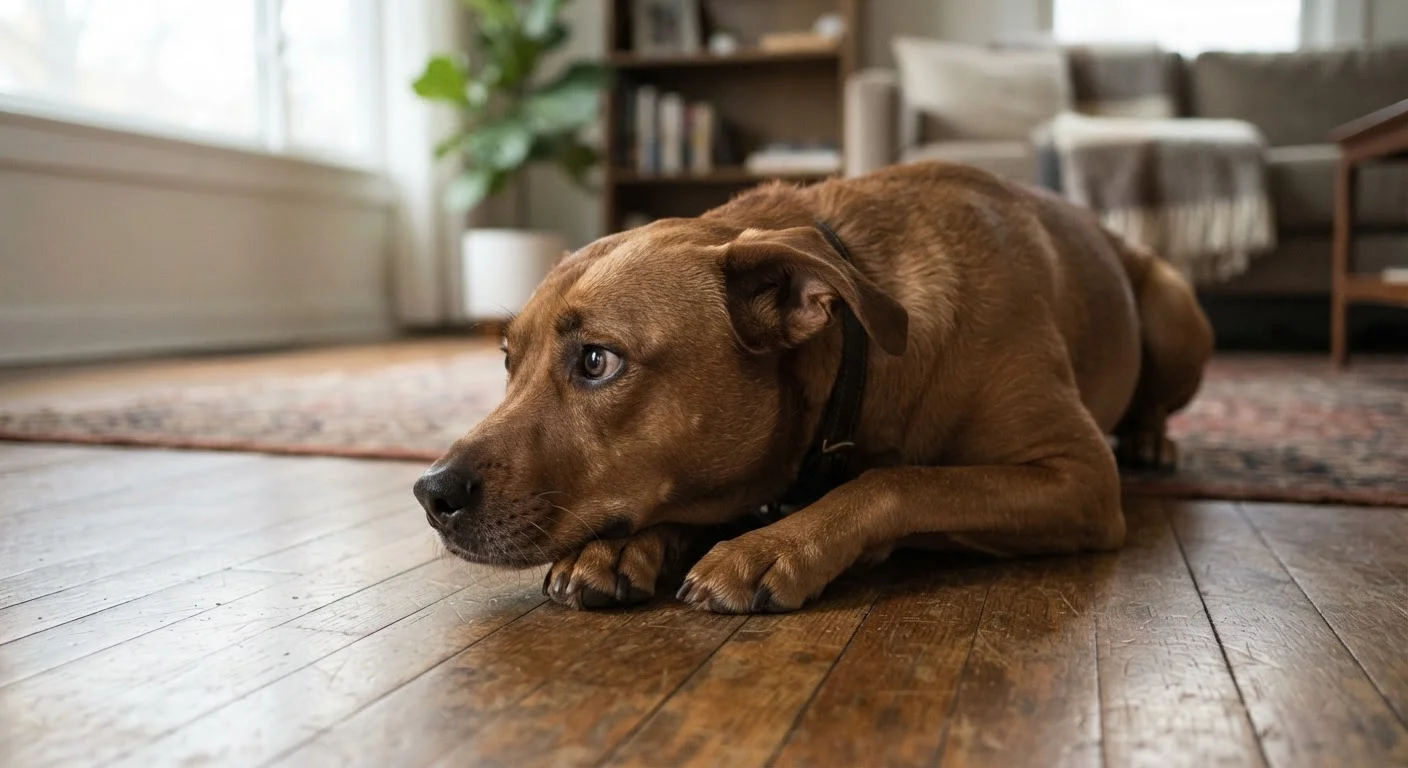
Photo: UnlockTopics.com | Unlocking Trending Content editorial
Key Takeaways
- Pets display stress through subtle physical cues like lip-licking, yawning, and whale eye that owners often overlook.
- Calming signals - appeasement behaviors animals use to self-soothe - are frequently misread as relaxation.
- Recognizing early stress signals gives you a chance to intervene before behavior escalates.
- Both dogs and cats communicate discomfort through body language changes that differ between species.
- Persistent or intensifying stress signals warrant a conversation with a veterinarian or certified animal behaviorist.
Why Stress Signals Go Unnoticed
Most pet owners are good at spotting obvious distress - a dog cowering in a thunderstorm or a cat hissing at a stranger. What's far harder to catch are the quieter signals animals send long before they reach that threshold. These early cues are grounded in ethology (the scientific study of animal behavior) and have been documented across species, yet they're routinely mistaken for calm, boredom, or quirky personality traits.
The problem isn't inattentiveness - it's that these signals look so ordinary. A yawn. A slow nose-lick. A slight shift in posture. Without context, they blend into background behavior. But in the presence of a stressor - a new visitor, a car ride, a crowded dog park - they carry a very different message.
Learning to read these cues is one of the most practical skills a pet owner can develop. It helps you respond earlier, reduce unnecessary stress on your animal, and build a more communicative relationship. For a broader foundation in body language, this guide covers what vets want owners to know.
Lip-Licking and Nose-Licking
A quick flick of the tongue across the lips or nose - particularly when your dog isn't near food or water - is a well-documented appeasement signal. Norwegian dog trainer Turid Rugaas, whose work on canine calming signals has influenced modern training, identified this as one of the most common ways dogs attempt to communicate non-threat and self-soothe under pressure.
In cats, repetitive nose-licking or excessive grooming in a tense environment serves a similar function. It can indicate mild anxiety rather than contentment. Watch for it during greetings, veterinary handling, or when a pet is asked to do something it finds uncomfortable.
A tongue-flick near no food is often a calming signal, not idle behavior.
Whale Eye
"Whale eye" describes the half-moon of white sclera visible at the edge of a dog's eye when it turns its head away while keeping its gaze fixed forward. The whites of the eyes become visible because the dog is trying to track something without turning directly toward it - a sign of discomfort or unease about what it's watching.
This is commonly seen when a dog is being hugged, when a child approaches a resting dog, or when a pet is cornered. It's a meaningful warning signal that's easy to miss in photos and everyday moments. Understanding the full range of canine body language puts whale eye in broader context.
Visible white sclera at the eye's edge signals unease - not a photo quirk.
Yawning Out of Context
Yawning when not tired is another recognized calming signal in dogs and has been observed in cats as well. It often appears during training sessions that have gone on too long, during close physical contact a pet finds unwelcome, or in anticipation of something the animal associates with stress - like putting on a harness before a vet trip.
The distinction matters: a yawn after waking from a nap is normal. A yawn while you're trimming nails or when a toddler approaches is communicative. Frequency and context are everything.
An out-of-context yawn is often a pet's way of saying 'this is too much.'
Suddenly Sniffing the Ground
Dogs that abruptly drop their nose to the ground during a greeting or tense encounter aren't simply distracted - they're often redirecting to manage a stressful interaction. This displacement behavior is a way of breaking social tension without escalation. It's particularly common when an unfamiliar dog approaches too quickly or a person moves toward the dog in a way that feels overwhelming.
Owners often interpret this as rudeness or disobedience. In reality, it's a sophisticated social tool. Interrupting it - by pulling the leash or scolding - can remove the dog's ability to self-regulate the situation.
Sniffing the ground mid-greeting is social management, not distraction.
Turning Away or Averting Gaze
Direct eye contact is confrontational in animal social language. When a pet turns its head, looks away, or orients its body slightly away from a person or another animal, it's often signaling a desire to de-escalate. In dogs, this is a well-established appeasement gesture. In cats, the slow blink and gaze aversion serve a related function - communicating non-aggression and comfort. Feline communication in detail explains this further.
Forcing eye contact - or pushing a pet to engage when it's actively turning away - can heighten anxiety rather than reassure.
A pet looking away is extending an olive branch, not ignoring you.
Panting Without Physical Exertion
Dogs pant to regulate body temperature, but panting that occurs in a cool environment without recent exercise is a recognized stress indicator. This type of stress-panting is often accompanied by restlessness, inability to settle, or excessive salivation. It's common before veterinary appointments, during car rides, or in response to loud or unfamiliar environments.
Importantly, panting can also signal pain or an underlying medical condition. If your pet pants frequently at rest without an obvious stressor, a veterinary check is worthwhile. Other behavioral shifts that may indicate illness are worth knowing too.
Panting in a cool room with no exercise is a stress flag worth noting.
Putting It All Together
No single signal is definitive in isolation. A dog that yawns once after waking up is just waking up. The key is context and clustering - when multiple signals appear together in a potentially stressful situation, the overall picture becomes meaningful. Train yourself to observe your pet during specific scenarios: new environments, introductions to unfamiliar animals or people, grooming, vet visits, or changes in household routine.
Build a Stress Baseline for Your Pet
If you notice your pet displaying several of these signals consistently in everyday situations, it's worth discussing with a veterinarian to rule out underlying health factors. Chronic stress has real physiological effects on animals, just as it does in people. For a deeper look at how persistent stress differs from short-term reactions, see how chronic stress works differently. And if your dog's signals seem to spike specifically around departures, separation anxiety may be worth exploring.
This article is for general educational purposes only and does not constitute veterinary advice. Consult a licensed veterinarian or certified animal behaviorist for guidance specific to your pet's health and behavior.
The content on this site is for informational purposes only and is not a substitute for professional advice. Always consult a qualified professional for guidance specific to your situation.