
Separation Anxiety in Dogs: Recognising It Before It Escalates

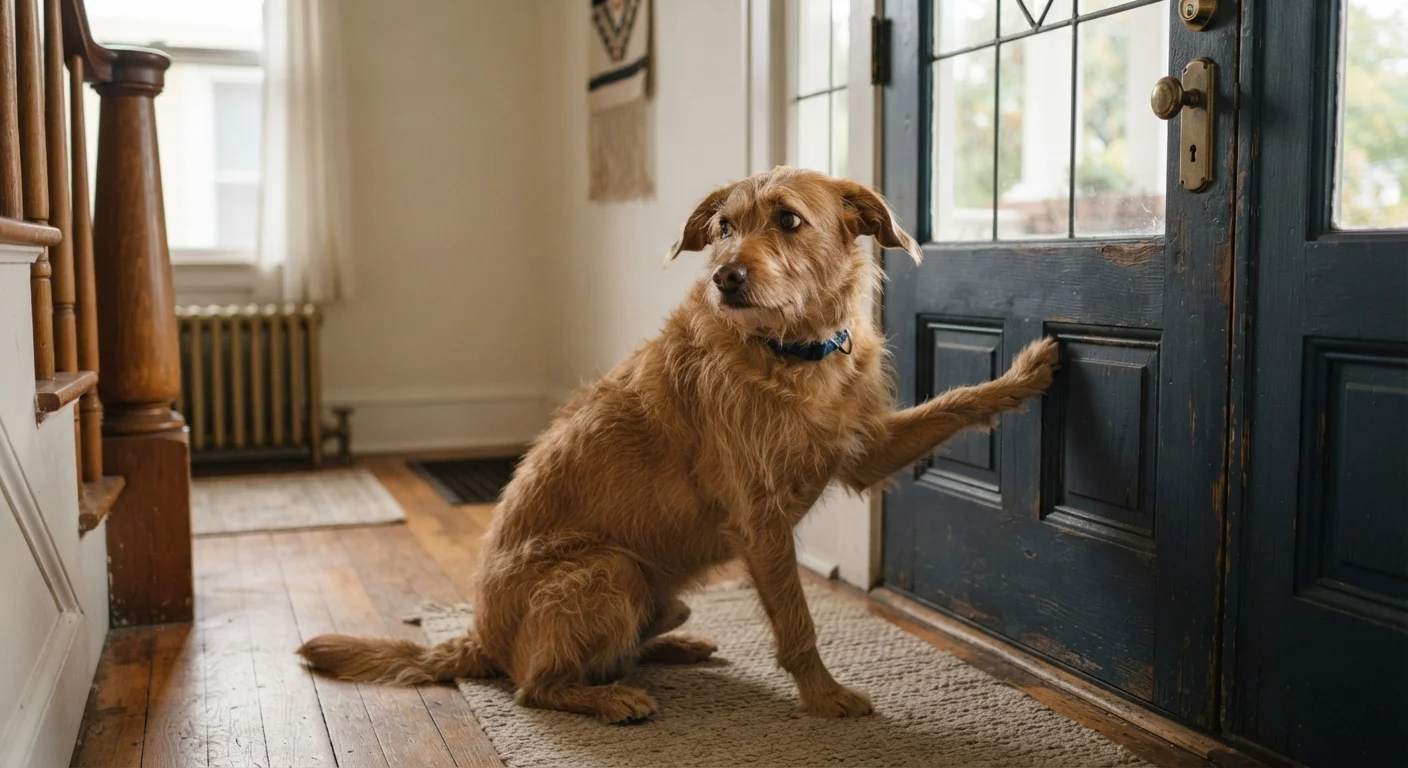
Photo: UnlockTopics.com | Unlocking Trending Content editorial
Key Takeaways
- Separation anxiety is a genuine stress response, not disobedience or spite.
- It begins before you leave - dogs react to departure cues like keys or shoes.
- Destructive behaviour that occurs only in your absence is a key red flag.
- Boredom produces intermittent mischief; anxiety produces frantic, focused distress.
- Mild cases may respond to gradual desensitisation; severe cases warrant veterinary or behavioural support.
- Early recognition prevents the condition from deepening over time.
What Separation Anxiety Actually Is
Separation anxiety in dogs is a genuine fear-based stress response - not wilful misbehaviour. It occurs when a dog becomes distressed in the absence of one or more attachment figures, typically the people they live with. The anxiety is rooted in the dog's perception that being alone is genuinely dangerous, not a choice to act out.
Understanding this distinction matters because the emotional experience of an anxious dog is fundamentally different from a dog that simply chews a cushion out of boredom. As you explore body language and stress signalling, you may find it useful to read what your dog's body language is actually telling you alongside this guide.
Separation anxiety
A stress disorder in which a dog becomes intensely distressed when separated from their primary attachment figures, driven by fear rather than willfulness.
Departure cues
Routine pre-leaving actions - like putting on shoes or picking up keys - that signal to an anxious dog that an absence is imminent, triggering distress before the owner has even left.
Desensitisation
A behaviour modification technique that gradually exposes a dog to a feared situation in tiny, manageable increments to reduce their emotional response over time.
Attachment figure
A specific person (or occasionally animal) whose presence makes the dog feel safe and whose absence triggers the anxiety response.
Counter-conditioning
A training approach that replaces a negative emotional association - such as fear of being alone - with a positive one, often by pairing alone time with something the dog enjoys.
Veterinary behaviourist
A veterinarian with advanced specialist training in animal behaviour who can diagnose and treat complex behavioural conditions, including anxiety disorders, and prescribe medication when appropriate.
This article is for general educational purposes only and does not constitute veterinary or behavioural advice. Always consult a qualified veterinarian or certified animal behaviourist for guidance specific to your dog's situation.
Separation Anxiety vs. Boredom: Key Differences
Owners often conflate these two problems because the surface-level evidence - a chewed chair leg, scattered rubbish - can look identical. The difference lies in when the behaviour occurs and how the dog behaves throughout.
- Boredom tends to produce intermittent, exploratory destruction. A bored dog may settle for long periods and then find something interesting to investigate. The damage is opportunistic and spread across the day.
- Anxiety is typically concentrated in the first 20-45 minutes after the owner leaves and is accompanied by other distress signals: vocalisation, pacing, drooling, and attempts to escape near exits.
A bored dog is usually relaxed when you return home. An anxious dog may appear frantic, over-excited, or even briefly unresponsive, reflecting the emotional intensity of the period you were away.
Set Up a Camera Before Drawing Conclusions
For a broader look at how anxiety overlaps with other behavioural concerns, see our guide on reading stress in pets.
Behavioural Signs to Watch For
The most diagnostically useful observation you can make is to record your dog while you are away. Many owners are surprised by what video footage reveals. Common signs of separation anxiety include:
- Pre-departure anxiety: Restlessness, shadowing, trembling, or refusing to eat as soon as routine departure cues begin (putting on shoes, picking up keys).
- Vocalisation: Sustained barking, howling, or whining that begins shortly after you leave - not sporadic noise throughout the day.
- Destructive behaviour at exits: Damage concentrated around doors, windows, or gates rather than scattered randomly.
- House soiling: Urination or defecation by an otherwise housetrained dog, occurring only during absences.
- Physical symptoms: Excessive drooling, panting beyond what temperature explains, or vomiting during absences.
- Self-directed behaviour: Licking, chewing, or scratching at themselves to the point of injury.
Notice that many of these signals begin before you walk out the door. This early onset is one of the clearest indicators that true anxiety - rather than opportunistic misbehaviour - is at play. Subtle stress signals like lip-licking and whale eye can also accompany these more obvious signs.
Risk Factors and Common Triggers
Separation anxiety can affect any dog, but certain factors are associated with higher risk:
- History of rehoming or shelter stays
- Dogs that have experienced abandonment may develop heightened vigilance about being left alone.
- Sudden schedule changes
- A shift from a stay-at-home routine (such as occurs after a long remote-work period) to regular absences can trigger anxiety in dogs that have lost practice being alone.
- Loss of a companion
- The death or rehoming of another pet or a household member can destabilise a dog's sense of security.
- Breed predisposition
- Some breeds were selectively developed for close human partnership and may be more susceptible, though anxiety can and does appear across all breeds and mixes.
It is also worth noting that some behaviours that look like anxiety may have an underlying medical component. Behavioural shifts that may signal a pet is unwell can overlap with anxiety symptoms, making a veterinary check-in a sensible early step.
Do Not Punish Anxiety-Related Behaviour
When to Seek Professional Support
Mild cases - where a dog settles within 30 minutes and the signs are limited to brief vocalisation or minor restlessness - may improve with gradual desensitisation techniques: short, low-key departures that slowly build the dog's tolerance for being alone. Consistency and patience are key.
However, professional guidance is strongly advisable when:
- Signs are severe or escalating despite owner efforts
- The dog is injuring itself or causing significant property damage
- House soiling is persistent and distressing the household
- The dog shows no improvement after several weeks of consistent work
A veterinarian should be your first contact. They can rule out medical causes, assess whether medication might support a behaviour modification programme, and refer you to a certified veterinary behaviourist or applied animal behaviourist if needed. Behaviour modification for separation anxiety typically involves gradual counter-conditioning and desensitisation - a process that takes time and benefits significantly from professional structure.
If you are unsure whether what you are observing truly qualifies as a behaviour problem, our pet owner's self-assessment checklist can help you evaluate the situation before your next steps. For broader context on your dog's overall wellness, the Pet Health and Wellness hub is a useful ongoing resource.
ASPCA: Separation Anxiety in Dogs
The ASPCA provides a thorough overview of separation anxiety causes, symptoms, and treatment approaches, written in accessible language for pet owners.
American College of Veterinary Behaviorists (ACVB)
The ACVB directory helps owners locate board-certified veterinary behaviourists in the US who can provide expert diagnosis and treatment for complex anxiety cases.
Home Monitoring Camera
Recording your dog while you are away is one of the most practical diagnostic tools available. Any home camera or dedicated pet monitor can provide the footage needed to identify patterns of distress.
Frequently Asked Questions
The content on this site is for informational purposes only and is not a substitute for professional advice. Always consult a qualified professional for guidance specific to your situation.