
Litter Box Avoidance in Cats: Behavioural Causes vs. Medical Causes

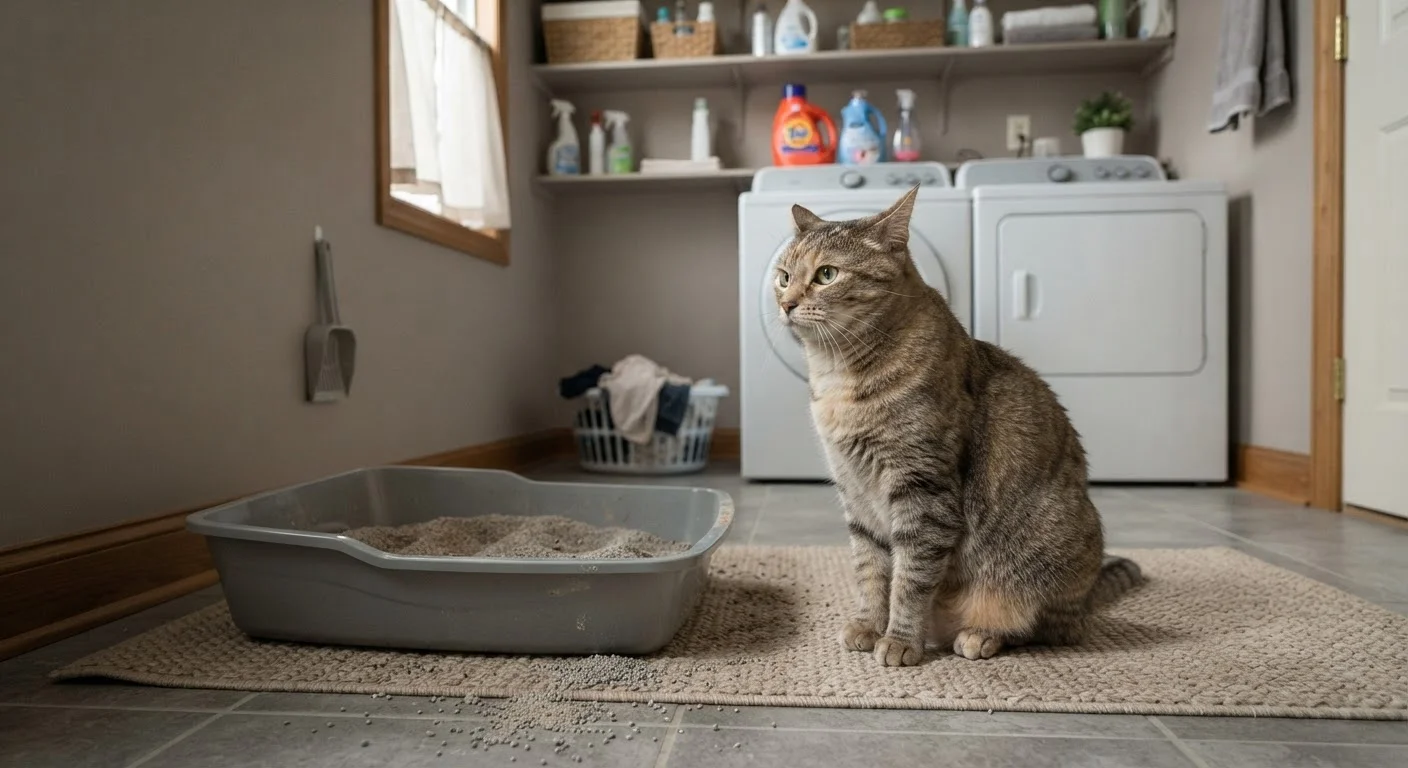
Photo: UnlockTopics.com | Unlocking Trending Content editorial
Key Takeaways
- Litter box avoidance can stem from medical conditions, behavioural issues, or environmental factors - often overlapping.
- A sudden change in bathroom habits almost always warrants a veterinary visit to rule out physical causes first.
- Box location, cleanliness, litter type, and household stress are the most common non-medical triggers.
- Cats rarely avoid the box out of spite; the behaviour always signals an underlying need.
- Addressing the root cause - not just the symptom - is the only reliably effective approach.
Why Cats Stop Using the Litter Box
Few things alarm a cat owner faster than finding evidence that their cat has been eliminating outside the litter box. The behaviour is common - it's one of the top reasons cats are surrendered to shelters - but it's rarely straightforward. Before assuming it's a defiance or a personality quirk, it helps to understand that cats do not avoid the box arbitrarily. Something has made the box feel wrong, painful, or unsafe to them.
The challenge is that the outward behaviour - urinating or defecating elsewhere - looks the same whether the root cause is a urinary tract infection, anxiety, or simply a box that hasn't been scooped recently. That's why the first step is always observation, and the second is often a call to your veterinarian. As the pet owner's self-assessment guide explains, determining whether a behaviour is medical, stress-related, or environmental requires a structured approach rather than guesswork.
Medical Causes: When the Body Is the Problem
Medical conditions are the single most important category to investigate first, particularly when avoidance appears suddenly. Common culprits include:
- Urinary tract infections (UTIs): Bacteria cause pain and urgency, and cats often associate that pain with the box itself, leading them to try other locations hoping for relief.
- Feline idiopathic cystitis (FIC): Inflammation of the bladder without a bacterial cause, strongly linked to stress. Cats may strain, vocalize, or produce only small amounts of urine.
- Urinary blockages: More common in male cats, blockages are a medical emergency. A cat straining without producing urine needs immediate veterinary attention.
- Kidney disease or diabetes: Both increase urinary frequency and volume, making it harder for a cat to reach the box in time.
- Arthritis: Older cats may find it physically painful to step over a high-sided box or crouch in a confined space.
- Constipation or intestinal pain: Can cause avoidance of defecation in the box if the cat associates the location with discomfort.
Signs that point toward a medical cause include straining, crying while eliminating, blood in urine or stool, frequent trips to the box with little output, or a cat that is otherwise acting unwell. For more on reading your cat's health signals, see subtle behavioral shifts that may signal a pet is unwell.
Straining Without Output Is an Emergency
Behavioural and Environmental Causes: When the Box Itself Is the Issue
Once medical causes have been ruled out, attention turns to the box, its contents, and the cat's environment. Behavioural and environmental triggers are remarkably specific to individual cats, but the most frequently reported include:
- Cleanliness: Cats are fastidious by nature. A box scooped less than once daily can become unacceptable, especially to sensitive individuals.
- Litter type or depth: Many cats strongly prefer unscented, fine-clumping litter. Scented varieties, pellets, or inconsistent depth can deter use.
- Box size and style: Covered boxes trap odour and may feel threatening. Large cats need large boxes - the general guideline is one and a half times the cat's body length.
- Location: Boxes placed near noisy appliances, in high-traffic areas, or with no escape routes may feel unsafe. Cats prefer quiet, accessible spots with a clear sightline.
- Household stress: New pets, new people, construction noise, or schedule changes can trigger elimination outside the box, particularly in stress-sensitive cats. Feline idiopathic cystitis itself has a strong stress component, blurring the medical/behavioural line.
- Insufficient boxes: The standard recommendation is one box per cat plus one extra. In multi-cat homes, competition or guarding can prevent access.
Try a Litter Box Audit First
Understanding the environmental pressures on your cat is especially relevant for indoor cats, whose entire world is what you provide. The indoor vs. outdoor cat health trade-offs article offers useful context on how environment shapes feline wellbeing broadly.
Comparing Medical vs. Behavioural Causes at a Glance
The table below outlines key distinguishing features - though remember, overlap is common and professional evaluation remains essential.
| Medical Causes | Behavioural / Environmental Causes | |
|---|---|---|
| Onset | Usually sudden | Often gradual or situational |
| Associated signs | Straining, blood, vocalizing, lethargy | Box avoidance only; otherwise normal |
| Location of accidents | Varied; cat seems urgent anywhere | Often consistent spots near box |
| Response to box improvements | Little or no change | Often resolves with adjustments |
| Requires vet visit | Yes - promptly | Yes - to rule out medical first |
| Primary treatment | Medication, diet, or medical care | Environmental modification, stress reduction |
If you've identified environmental or care habits that may be contributing, it's worth reviewing whether any well-meaning routines are quietly causing harm - litter choices and cleaning products included.
This article is for general informational purposes only and does not constitute veterinary advice. Always consult a licensed veterinarian if your cat is showing signs of illness or distress.
The content on this site is for informational purposes only and is not a substitute for professional advice. Always consult a qualified professional for guidance specific to your situation.