
Debt & Credit

Warning Signs That Debt Is Becoming Unmanageable

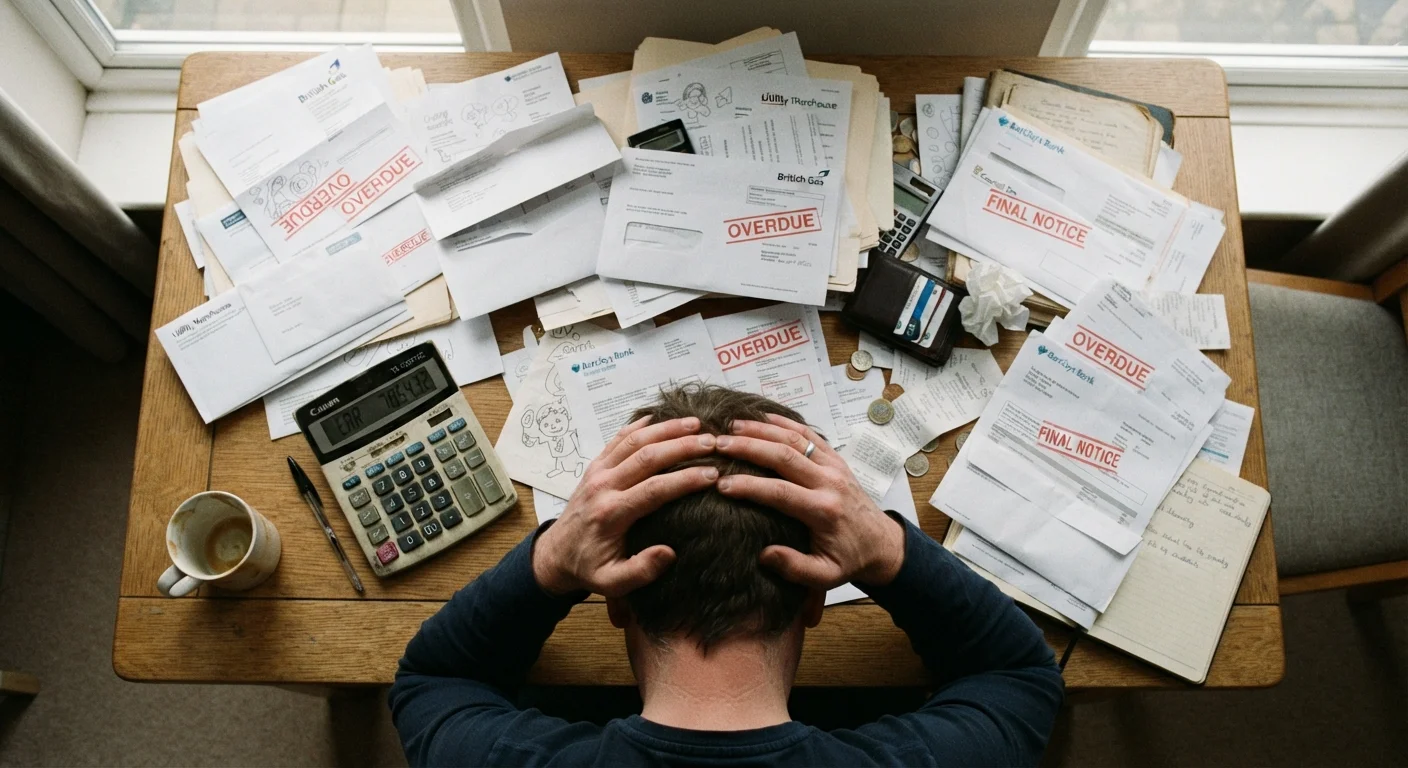
Warning Signs That Debt Is Becoming Unmanageable

Photo: UnlockTopics.com | Unlocking Trending Content editorial

Struggling to tell if your debt load is a problem? These indicators can help you recognise when the situation needs attention.

Key Takeaways

  • Debt becomes unmanageable when monthly payments consistently consume more than you can afford from your income.
  • Missing minimum payments and relying on credit for essentials are two of the clearest early warning signs.
  • Emotional stress about debt — such as anxiety or avoidance — is itself a signal worth taking seriously.
  • Recognising warning signs early expands your options for addressing the problem.
  • A qualified financial counsellor or adviser can help you evaluate your situation and consider realistic next steps.

How to Use This Checklist

Debt is a normal part of most financial lives, but there's a meaningful difference between debt you're managing and debt that's managing you. The line between those two states isn't always obvious — it can shift gradually, month by month, until the situation feels overwhelming.

This checklist is a self-audit tool. Work through each item honestly and note which ones apply to your situation. The more items you check off, the more urgently it may be worth seeking guidance. This article is for general informational purposes only and is not personalised financial or legal advice. For decisions specific to your circumstances, consult a licensed financial counsellor or adviser.

It also helps to understand the type of debt you're carrying. Secured and unsecured debts carry different risks and repayment implications — knowing which you have shapes how urgently each warning sign matters.

Cash Flow and Payment Patterns

Check whether you are only making minimum payments on revolving credit (such as credit cards) month after month, with balances barely moving. Must
Verify whether you have missed, delayed, or skipped a debt payment in the past three months. Must
Confirm whether your total monthly debt payments — including rent or mortgage, loans, and credit cards — exceed 40–50% of your gross monthly income. Must
Note whether you are using credit cards or loans to pay for everyday essentials like groceries, utilities, or fuel because cash isn't available. Must
Identify whether you are taking cash advances on credit cards or using payday-style loans to cover regular expenses. Must

Debt Growth and Balance Trends

Review whether your total outstanding balances have grown over the past six months, even though you are making regular payments. Must
Check whether you have taken on new debt primarily to pay off or defer existing debt — sometimes called debt cycling. Must
Assess whether interest charges each month are equal to or greater than the payments you are making, meaning your principal isn't decreasing. Should
Note whether you have recently been declined for new credit or received a reduction in an existing credit limit. Should

Savings and Financial Cushion

Confirm whether you have depleted your emergency fund — or never built one — because debt payments absorb available income. Must
Check whether you are contributing nothing to retirement savings because debt obligations leave no room in your budget. Should
Note whether a single unexpected expense — a car repair, medical bill, or appliance failure — would force you to borrow more money. Should

Behaviour and Emotional Signals

Reflect on whether you avoid opening bills, checking account balances, or reviewing credit card statements because doing so causes anxiety. Must
Consider whether you have been less than fully honest with a partner, family member, or close friend about the scale of your debt. Should
Assess whether you are experiencing persistent stress, poor sleep, or difficulty concentrating that you associate with financial worry. Should
Reflect on whether you feel that no realistic changes to your spending or income would make a meaningful dent in what you owe. Nice to have

What to Do If Several Signs Apply to You

Checking off a handful of items on this list doesn't mean you're in a financial crisis — but it does mean the situation deserves your attention rather than avoidance. Debt problems tend to compound: missed payments lead to fees and penalty rates, which raise balances, which make future payments harder. Acting earlier almost always leaves you with more options.

Avoidance Makes Debt Problems Worse

One of the most common responses to debt stress is to stop opening statements or checking balances. This feels like relief in the short term but allows fees, penalties, and interest to accumulate unseen. If avoidance is a pattern you recognise, treat it as a warning sign in itself and make a plan to face the numbers with support if needed.

A useful starting point is to map out what you owe and to whom, then look at what realistic repayment could look like. Two structured approaches — the debt snowball and the debt avalanche — are worth understanding. You can compare how they work in our article on debt snowball vs. debt avalanche strategies.

If the number of separate debts feels unmanageable, it may be worth exploring whether consolidation could simplify repayment. Our guide to debt consolidation explains how it works and when it may or may not be appropriate.

For a broader view of how credit and debt interact across your financial life, see Debt, Credit, and Your Financial Life: The Complete Picture.

Finally, financial stress is real stress. If anxiety about money is affecting your sleep, relationships, or daily functioning, that's worth addressing in its own right. Chronic stress works differently in the body and mind — recognising the transition is an important step.

Seek Professional Guidance Early

If several items on this checklist apply to you, consider reaching out to a nonprofit credit counselling agency or a licensed financial adviser before the situation becomes more acute. Debt relief options — such as repayment plans, hardship programmes, or consolidation — are generally more accessible earlier in the process. Waiting until accounts go to collections or legal action begins reduces your choices significantly.

Money Basics Editorial Team

UnlockTopics.com | Unlocking Trending Content

Money Basics Editorial Team is the collective byline for our editorial team and contributor network. Articles published under this byline or an editorial pen name are researched, written, and reviewed according to our editorial standards for clarity, consistency, and independence before publication.

Budgeting BasicsSaving StrategiesDebt & Credit
View author profile

The content on this site is for informational purposes only and is not a substitute for professional advice. Always consult a qualified professional for guidance specific to your situation.