
Secured Debt vs. Unsecured Debt: Understanding the Difference

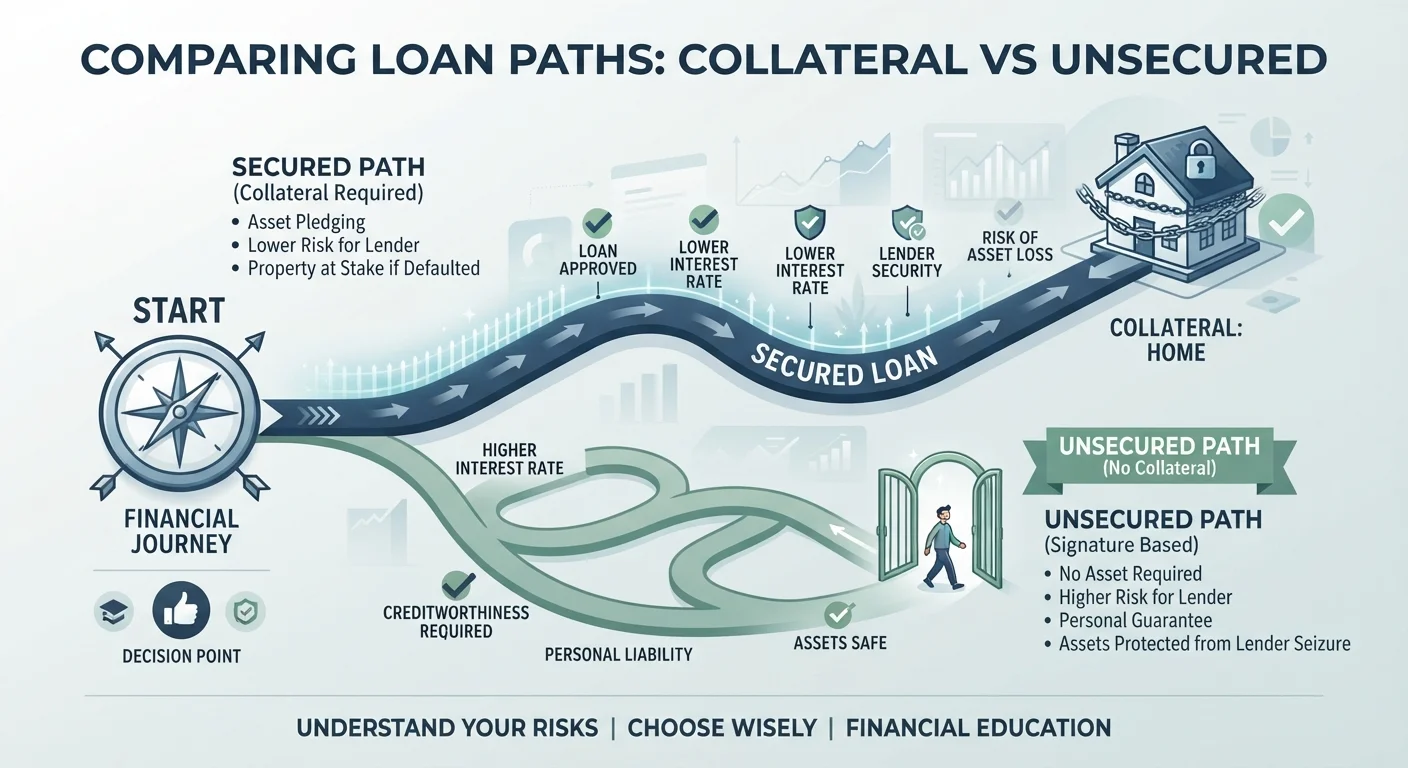
Photo: UnlockTopics.com | Unlocking Trending Content editorial
Key Takeaways
- Secured debt requires collateral - an asset the lender can claim if you stop paying.
- Unsecured debt relies on your credit history and income rather than a pledged asset.
- Secured loans typically offer lower interest rates because the lender carries less risk.
- Defaulting on secured debt can mean losing your home, car, or other collateral.
- Unsecured debt often has stricter approval criteria and higher rates to offset lender risk.
- Both types appear on your credit report and affect your credit score.
What Makes Debt Secured or Unsecured?
At the most basic level, the difference comes down to one word: collateral. Collateral is an asset - a house, a car, a savings account - that you formally pledge to the lender when you borrow money. If you stop making payments, the lender has a legal right to seize and sell that asset to recover what you owe.
Secured debt is any loan tied to collateral. A mortgage is the most common example: the home itself serves as security for the loan. Auto loans work the same way. If you default - meaning you stop paying as agreed - the lender can foreclose on the home or repossess the vehicle.
Unsecured debt has no such backstop. Credit cards, most personal loans, medical bills, and student loans (in most cases) are unsecured. The lender extends credit based on your credit score, income, and repayment history, but holds no specific claim on your property. If you default, the lender's main recourse is to pursue collection efforts or take legal action - not to directly claim an asset.
For a broader look at how these concepts fit into your overall financial picture, the complete guide to debt and credit is a useful companion resource.
| Criterion | Secured Debt | Unsecured Debt |
|---|---|---|
| Collateral required | Yes - specific asset pledged | No - based on creditworthiness |
| Common examples | Mortgage, auto loan, home equity loan | Credit cards, personal loans, medical bills |
| Typical interest rate | Generally lower | Generally higher |
| Lender's recourse on default | Seize and sell collateral | Collections, legal action, credit damage |
| Risk to borrower | Loss of pledged asset | Credit damage, potential lawsuit |
| Approval criteria | Collateral value + credit review | Credit score, income, debt-to-income ratio |
| Typical loan amounts | Often larger (tied to asset value) | Often smaller or moderate |
How Each Type Affects Your Costs and Your Risk
Because secured debt gives lenders a safety net, they typically charge lower interest rates. A mortgage or secured auto loan will almost always carry a lower APR than an unsecured personal loan or credit card for the same amount. That cost difference can be significant over years of repayment.
The trade-off is that the risk to you is also higher. Defaulting on a mortgage can result in foreclosure - losing your home. Defaulting on an auto loan can mean your vehicle is repossessed, potentially while you still need it to get to work. The stakes are tangible and immediate.
Unsecured debt carries a different kind of risk. Because lenders can't claim a specific asset, they protect themselves by charging higher interest rates and reserving the best terms for borrowers with strong credit. If you default on an unsecured debt, your credit score takes a serious hit, you may face collections, and a lender could eventually sue for repayment - but they can't walk up and take your car keys.
~$12T
U.S. mortgage debt outstanding
The Federal Reserve's consumer credit data consistently shows mortgage debt as the largest single category of household secured debt in the United States.
20%+
Average credit card APR
According to Federal Reserve data, average credit card interest rates have exceeded 20% APR in recent years - a stark contrast to typical secured loan rates.
Neither type is inherently dangerous, but both demand respect. The good debt vs. bad debt framework explores how context shapes whether any borrowing serves you well.
Practical Implications: What to Think About Before You Borrow
When you're considering a loan, understanding whether it's secured or unsecured helps you ask the right questions.
- What am I risking? With secured debt, identify the collateral clearly. Understand what happens if payments become unmanageable.
- What will this actually cost? Compare APRs, not just monthly payments. Unsecured debt often looks affordable month-to-month but adds up faster.
- What does my credit profile look like? Lenders scrutinize your credit history more closely for unsecured products. If your score is limited, a secured option may be more accessible.
- How does this fit my overall debt load? Adding debt - secured or not - affects your debt-to-income ratio, which lenders review when you apply for future credit.
Both types appear on your credit report and influence your credit score. Late or missed payments on either will cause damage. If unfamiliar terms are slowing you down, the plain-English debt and credit glossary covers the vocabulary you'll encounter most often.
This article is for general informational and educational purposes only and does not constitute personalized financial, legal, or investment advice. Consult a qualified financial professional before making borrowing decisions based on your individual circumstances.
The content on this site is for informational purposes only and is not a substitute for professional advice. Always consult a qualified professional for guidance specific to your situation.