
How Credit History Length Influences Your Financial Profile

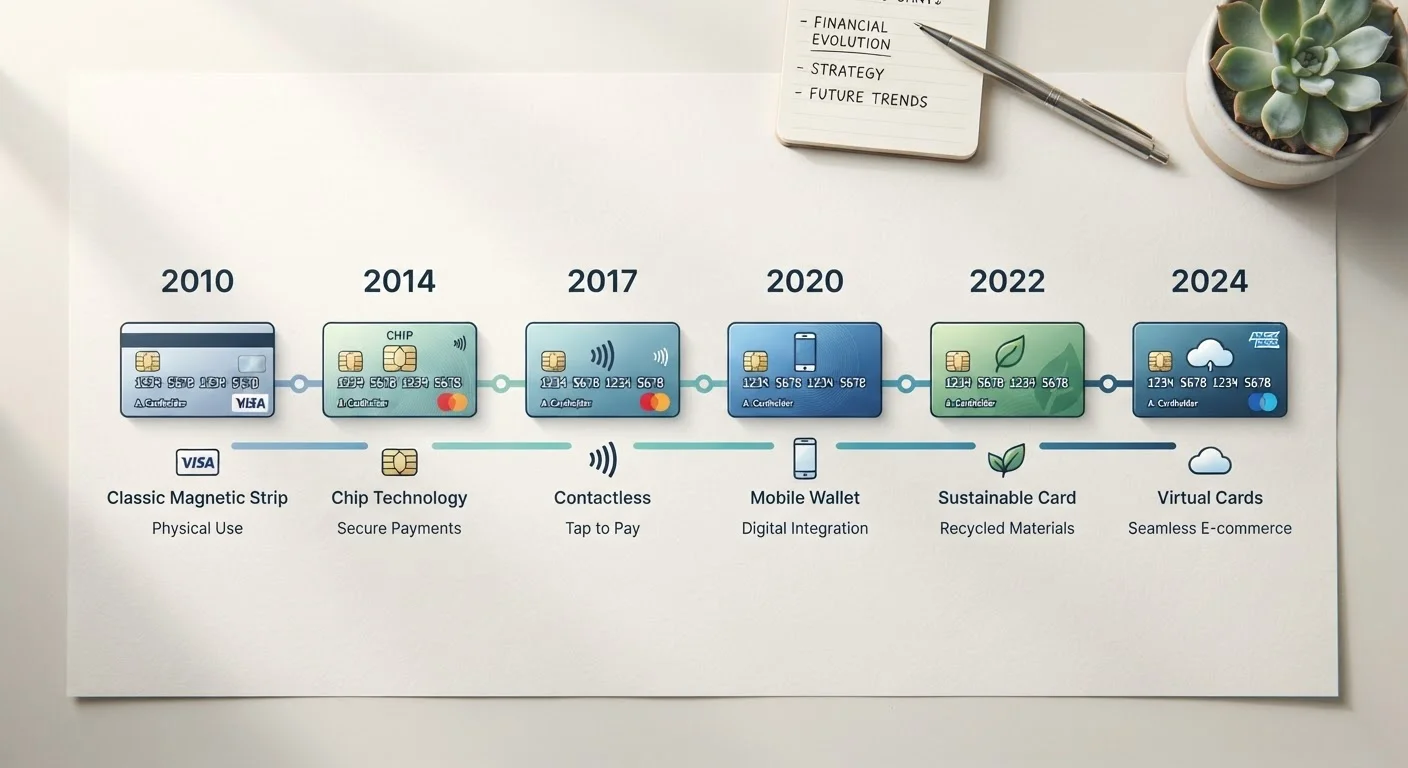
Photo: UnlockTopics.com | Unlocking Trending Content editorial
Key Takeaways
- Credit history length makes up roughly 15% of a FICO credit score.
- Both your oldest account age and the average age of all accounts are considered.
- Closing an old account can lower your average account age and potentially hurt your score.
- Opening several new accounts at once shortens your average account age.
- A longer, well-managed credit history generally signals lower risk to lenders.
Why Account Age Is Part of Your Credit Score
Most people know that paying bills on time is important for credit. Fewer realize that how long they've been using credit also carries weight. As part of the five major factors in credit scoring, length of credit history is sometimes overlooked - but it quietly shapes how lenders read your financial profile.
For a full picture of how scoring works, see the five factors that shape your credit score. History length sits alongside payment behavior, credit utilisation, account mix, and new credit inquiries.
Scoring models like FICO look at three specific things when evaluating this factor: the age of your oldest account, the age of your newest account, and the average age of all your accounts combined. A longer average age is generally viewed more favorably, because it means lenders have more data to judge how you handle credit over time.
15%
Weight of credit history length in FICO score
According to FICO's published scoring breakdown, length of credit history accounts for approximately 15% of a standard FICO score.
10 years
How long closed good-standing accounts stay on report
The Consumer Financial Protection Bureau notes that closed accounts in good standing typically remain on credit reports for up to 10 years.
6 months
Minimum account age to generate a FICO score
FICO generally requires at least one account that has been open for six months or more before a score can be calculated.
The Hidden Cost of Closing Old Accounts
One of the most common - and costly - credit misconceptions is that closing an old account you no longer use is a smart tidying move. In practice, it can backfire in two ways.
First, removing an older account from active status eventually lowers your average account age once it drops off your report. Second, closing a card reduces your total available credit, which can push your credit utilisation ratio higher - and utilisation is a more heavily weighted factor than history length.
This doesn't mean you should keep every account you've ever opened indefinitely. If a card charges an annual fee you can't justify, or creates a temptation to overspend, closing it may still be the right personal finance decision. Just go in knowing the potential trade-off.
Consider Using Old Cards Occasionally
How New Accounts Affect Average Age
Every time you open a new credit account, it brings down the average age of all your accounts. If you've had a 10-year-old card and a 5-year-old card, your average age is 7.5 years. Add a brand-new card to that mix, and the average drops to around 5 years.
This is one reason it generally makes sense to be selective about applying for new credit rather than opening accounts impulsively. Multiple new accounts in a short window compounds the effect - each one pulls the average down further and also triggers a hard inquiry on your report.
Common credit score myths include the belief that closing accounts and avoiding new ones is always conservative. The reality is more nuanced: strategic, gradual credit use over a long period tends to serve your profile better than frequent changes in either direction.
Building a Strong History Over Time
The most straightforward path to a healthy credit history length is simply time - combined with responsible habits. Opening a first account early, keeping it in good standing, and adding credit only when it makes genuine sense in your financial life is a durable approach.
If you're earlier in your credit journey, building credit responsibly from the start can help you establish good habits that compound over years. And if you want to understand what your score actually signals to lenders, credit scores explained provides a grounded starting point.
Patience is genuinely part of the equation here. Unlike utilisation - which you can improve relatively quickly by paying down balances - history length can only be built gradually. The accounts you open and maintain responsibly today are laying groundwork for your financial profile years from now.
This article is for general informational purposes only and does not constitute personalized financial or credit advice. For guidance specific to your situation, consider consulting a licensed financial professional.
Frequently Asked Questions
The content on this site is for informational purposes only and is not a substitute for professional advice. Always consult a qualified professional for guidance specific to your situation.