
Credit Utilisation: The Ratio That Quietly Affects Your Score

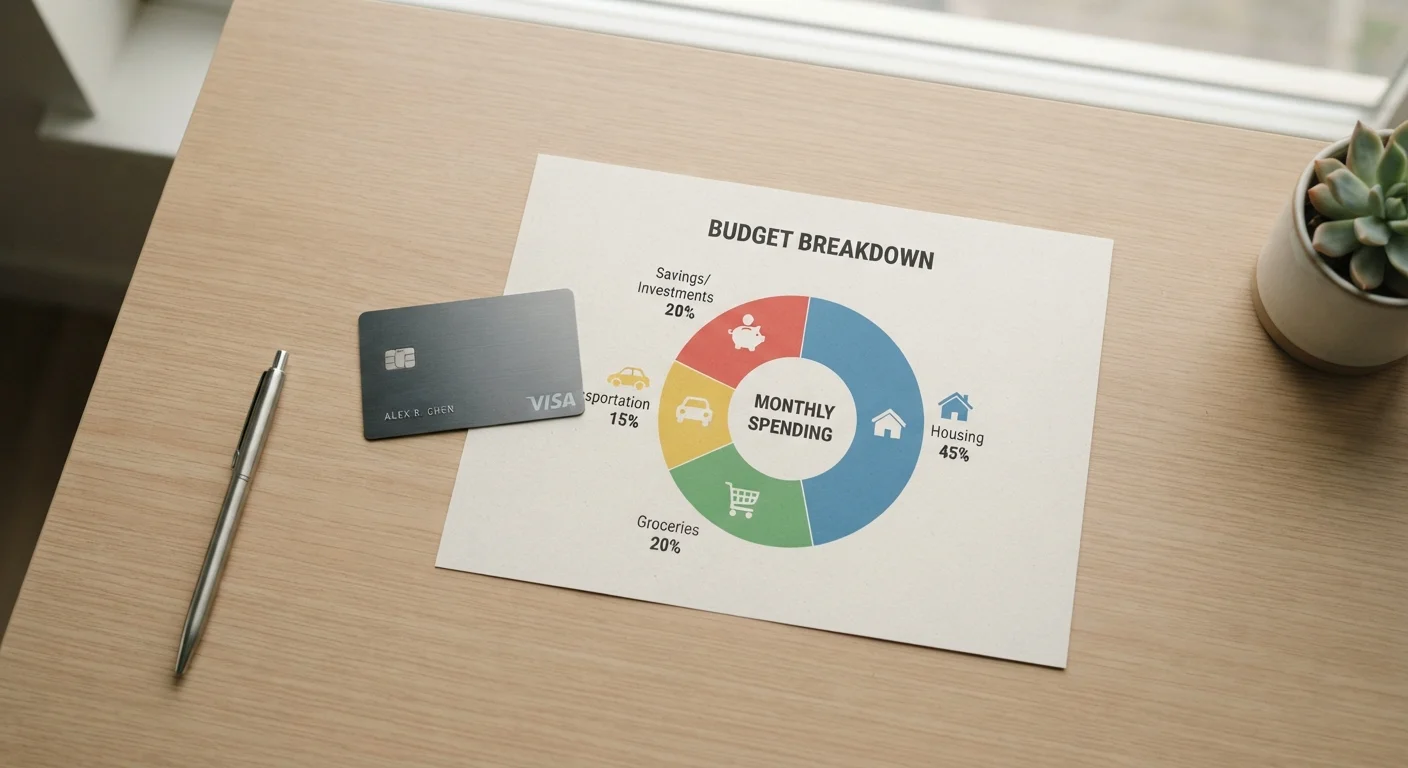
Photo: UnlockTopics.com | Unlocking Trending Content editorial
Key Takeaways
- Credit utilisation measures how much of your revolving credit limit you're actively using.
- Most scoring guidance suggests keeping utilisation below 30%, though lower is generally better.
- Utilisation is calculated both per card and across all your cards combined.
- Paying down balances - not just making minimum payments - is the most direct way to reduce it.
- Closing a credit card can raise your utilisation ratio by reducing available credit.
How the Ratio Is Actually Calculated
Credit utilisation applies specifically to revolving credit - primarily credit cards and lines of credit. Installment loans like auto loans or mortgages are not included in this calculation. You can think of it working on two levels:
- Per-card utilisation: Each individual card's balance divided by its own credit limit.
- Overall utilisation: Your total balances across all revolving accounts divided by your total combined credit limits.
Both levels can affect your score. A card that's consistently near its limit drags down your score at the individual level, even if your overall ratio looks healthy. That's why spreading balances across multiple cards - or paying down the highest-utilisation card first - can make a meaningful difference.
Utilisation Only Applies to Revolving Credit
If you want to understand where utilisation fits in the bigger picture, the five factors that shape your credit score breaks down each component and how much weight it typically carries.
Why Lenders Pay Attention to It
From a lender's perspective, someone consistently using a large share of their available credit may be stretched financially. High utilisation doesn't mean you're in trouble - you might simply be a regular credit card user who pays in full every month - but it can appear riskier on paper.
~30%
Commonly cited utilisation threshold
Financial educators widely suggest keeping credit utilisation below 30% to avoid a negative impact on credit scores, though lower is generally associated with stronger scores.
~30%
Share of FICO score from amounts owed
According to FICO, the 'amounts owed' category - which includes utilisation - accounts for approximately 30% of a standard FICO credit score, making it the second-largest factor after payment history.
Keeping your ratio low signals that you have access to credit but aren't dependent on it. That's the profile lenders tend to view most favorably when evaluating applications for loans or new credit lines.
It's also worth noting that utilisation is a current measurement. Unlike payment history, which accumulates over years, your utilisation can shift up or down quickly depending on your balances. That makes it one of the more controllable parts of your credit profile. For a fuller picture of how scoring works overall, see credit scores explained.
Common Mistakes That Quietly Raise Your Ratio
Several everyday actions can push your utilisation up without feeling like a big deal at the time:
- Closing old cards: When you close a card, its credit limit disappears from your total available credit - which raises your overall utilisation ratio, even if you carry no balance on the card you closed. Closing older accounts can also shorten your credit history, creating a double impact.
- Making only minimum payments: Minimum payments keep your account in good standing but do little to reduce the balance - meaning your utilisation stays high month after month.
- Timing large purchases poorly: Putting a big expense on a card right before your statement closes means that balance gets reported to the bureaus and counted against your utilisation for that cycle.
Time Your Payments for Maximum Impact
There are also some widely held beliefs about credit that don't hold up. Common credit score misconceptions are worth reviewing so you're not managing your ratio based on faulty assumptions.
Practical Ways to Keep Utilisation in a Healthy Range
You don't need a complicated strategy to manage utilisation well. A few straightforward habits tend to do most of the work:
- Pay balances down before the statement closes, not just by the due date. This lowers the balance that gets reported to the bureaus.
- Make more than one payment per month if you're a heavy credit card user. More frequent payments keep your reported balance lower throughout the cycle.
- Avoid canceling cards you're not using unless there's a compelling reason - keeping them open preserves your available credit and supports your ratio.
- Request a credit limit increase thoughtfully. A higher limit on the same spending automatically lowers your ratio, though be aware it may involve a hard inquiry.
Over time, managing utilisation is one part of a broader set of habits. Building credit responsibly covers the foundational practices that support a healthy credit profile across all the key factors - not just this one.
This article is for general informational and educational purposes only and does not constitute personalized financial or credit advice. For guidance specific to your situation, consider speaking with a licensed financial professional.
Frequently Asked Questions
The content on this site is for informational purposes only and is not a substitute for professional advice. Always consult a qualified professional for guidance specific to your situation.