
Credit Scores Explained: What the Number Actually Means

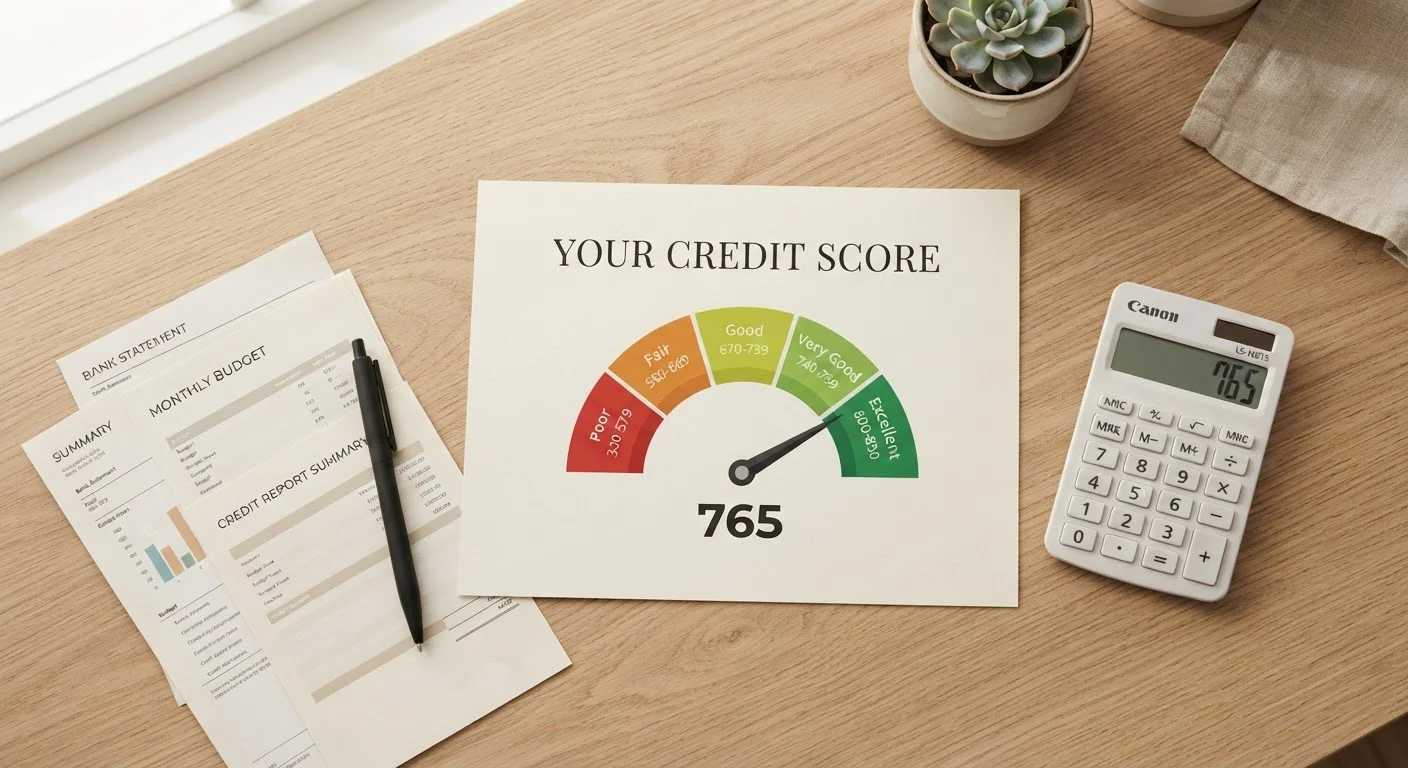
Photo: UnlockTopics.com | Unlocking Trending Content editorial
Key Takeaways
- Credit scores range from 300 to 850; higher scores signal lower lending risk.
- Payment history is the single most influential factor in your score.
- Scores are calculated from data in your credit report, not your income.
- Multiple scoring models exist, so your score can vary depending on the source.
- Good credit typically unlocks lower interest rates and better loan terms.
Where Credit Scores Come From
Your credit score doesn't appear out of thin air. It's generated by a mathematical model that reads through your credit report - the detailed record of every account you've opened, every payment you've made or missed, and every time a lender has checked your credit. That raw data gets weighted and compressed into a single three-digit number.
The three major credit bureaus - Equifax, Experian, and TransUnion - each maintain their own version of your credit report. Scoring companies like FICO and VantageScore run their models against that data to produce a score. Because each bureau may hold slightly different information, your score can vary across sources. None of these variations is the "real" score - they're all legitimate snapshots.
For a deeper look at the underlying report your score is built from, see our walkthrough of reading your credit report.
300-850
Standard credit score range
Both FICO and VantageScore use this range, with higher scores representing lower lending risk.
~35%
Weight of payment history in FICO scoring
According to FICO, payment history is the single largest factor in its scoring model.
670
Threshold for 'good' credit (FICO)
FICO classifies scores from 670 to 739 as 'good,' a range where most mainstream lending products become accessible.
The Five Factors That Shape Your Score
Scoring models generally weigh five categories of information, though the exact percentages can shift slightly depending on the model used:
- Payment history (~35%): Whether you pay on time is the biggest single factor. Even one late payment can cause a noticeable drop.
- Amounts owed (~30%): This largely comes down to your credit utilization ratio - the percentage of your available revolving credit you're currently using. Keeping this below 30% is a widely cited guideline.
- Length of credit history (~15%): Older accounts work in your favor, as they show lenders a longer track record.
- Credit mix (~10%): Having a variety of account types - credit cards, installment loans, a mortgage - can help, though it's not worth opening accounts you don't need.
- New credit (~10%): Applying for several new accounts in a short span can signal financial stress to lenders.
Watch Your Utilization Rate
What Lenders Actually Do With Your Score
When you apply for a mortgage, car loan, or credit card, the lender pulls your credit score as a quick risk signal. A higher score suggests you're more likely to repay; a lower score suggests you're a higher-risk borrower. That assessment shapes two things: whether you're approved, and what interest rate you're offered.
A borrower with a score in the "exceptional" range often qualifies for a lender's lowest available rates. A borrower with a "fair" or "poor" score may be approved but at a significantly higher interest rate - which means paying more over the life of the loan. In some cases, a low score means an application is declined entirely.
It's worth knowing that credit scores aren't the only thing lenders look at. Income, employment history, and existing debt obligations are also part of the picture - but your score is usually the first filter applied.
For the full context on how credit fits into your broader financial life, the complete guide to debt and credit covers repayment strategies, report management, and more.
Common Misunderstandings Worth Clearing Up
Credit scores carry a lot of myths that can lead people to make counterproductive decisions. For instance, many people believe closing an old credit card improves their score - it can actually hurt it by reducing your available credit and shortening your average account age.
Others assume that carrying a small balance on a credit card builds credit better than paying it off. That's not accurate. Paying your balance in full each month demonstrates responsible use without costing you interest.
For a full breakdown of what's true and what isn't, common credit score myths explained separates fact from fiction on some of the most persistent misconceptions.
You Can Access Your Reports for Free
This article is for general informational purposes only and does not constitute personalized financial or credit advice. For guidance specific to your situation, consider consulting a licensed financial professional or nonprofit credit counselor.
Frequently Asked Questions
The content on this site is for informational purposes only and is not a substitute for professional advice. Always consult a qualified professional for guidance specific to your situation.