
Why 'Eating Less' Is Not the Same as Eating Well

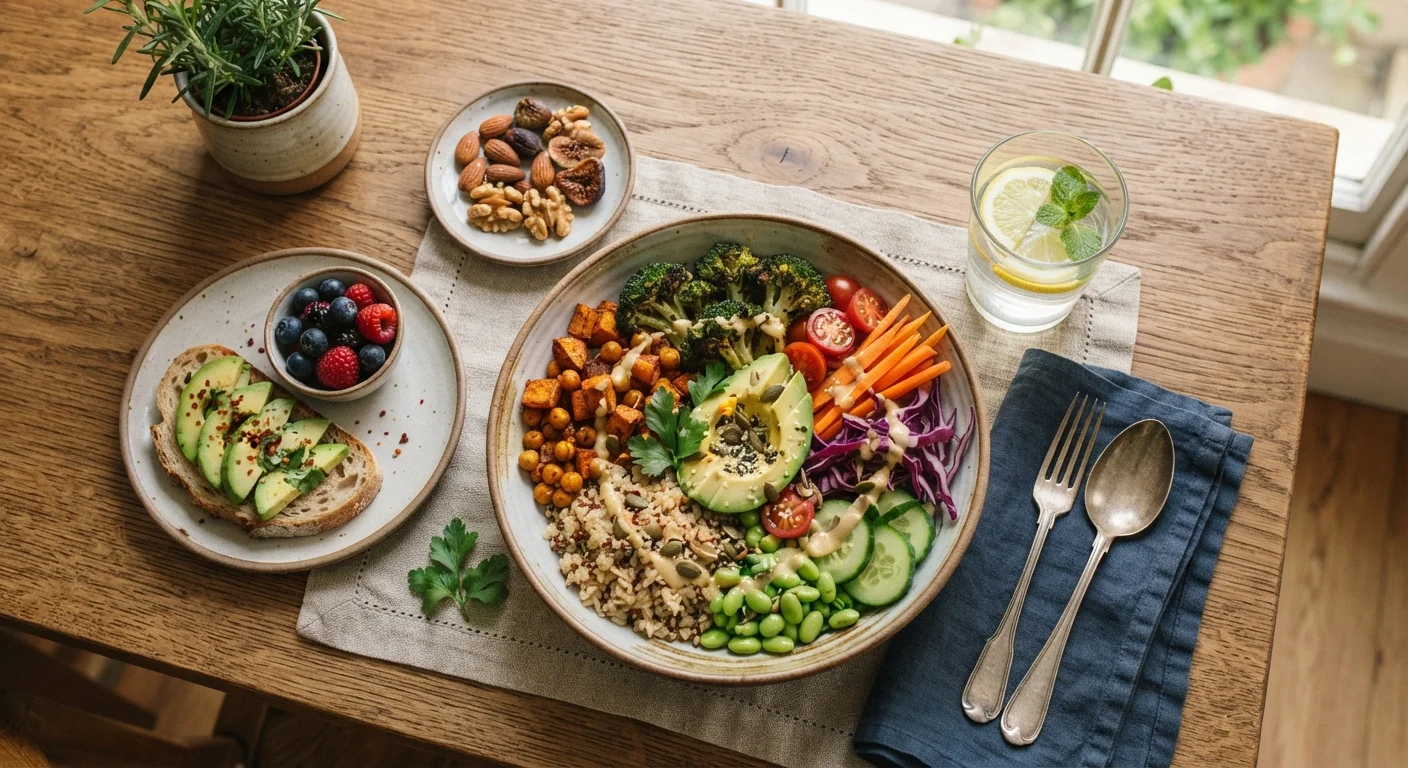
Photo: UnlockTopics.com | Unlocking Trending Content editorial
Key Takeaways
- Calorie restriction alone does not guarantee your body gets the nutrients it needs to function well.
- Nutrient-poor diets can cause deficiencies even when total calorie intake appears adequate.
- Food quality - not just quantity - is what research consistently links to long-term health outcomes.
- Common shortcuts like skipping meals or relying on 'low-calorie' packaged foods often backfire.
- Sustainable healthy eating focuses on what you add to your diet, not only what you remove.
The Calorie Myth That Shapes How We Eat
Reducing portion sizes and cutting back on food feels intuitive as a health strategy - eat less, weigh less, feel better. But that logic skips a critical variable: the nutritional quality of the food being eaten in the first place. Calories measure energy, not nourishment. A person can stay within a modest calorie range while still being deficient in protein, fiber, essential fatty acids, vitamins, and minerals.
This distinction has real consequences. Research in nutritional epidemiology consistently points to dietary pattern - the variety, quality, and composition of food over time - as a stronger predictor of health outcomes than calorie count alone. Understanding this difference is the first step to eating in a way that actually supports the body. For a broader look at how food composition matters, see our comparison of whole and processed foods.
Common Mistakes When Prioritizing 'Less' Over 'Better'
The following mistakes are extremely common - and often well-intentioned. Recognizing them is the foundation of building smarter eating habits.
Treating all calories as equal regardless of their source.
Skipping meals as a default strategy for eating less.
Relying heavily on 'low-calorie' or 'diet' packaged foods as health staples.
Cutting out entire food groups in the name of eating less.
Confusing weight loss with improved nutritional health.
This article is for general informational and educational purposes only and is not a substitute for professional medical or dietary advice. Consult a qualified healthcare provider or registered dietitian for guidance specific to your health needs.
Shifting the Focus: What Eating Well Actually Looks Like
Eating well is not about perfection or strict rules. It is about consistently choosing foods that supply the body with what it needs - adequate protein for tissue repair, fiber for gut health and satiety, healthy fats for cellular function, and a wide range of micronutrients for hundreds of essential processes.
~75%
Americans not meeting vegetable intake recommendations
According to the U.S. Centers for Disease Control and Prevention, most American adults consume vegetables at levels well below federal dietary guidelines.
57%
of U.S. calories from ultra-processed foods
Research published in BMJ Open estimated that ultra-processed foods account for more than half of the average American adult's daily energy intake.
Practically, this means building meals around minimally processed whole foods - vegetables, legumes, whole grains, lean proteins, and healthy fats - rather than engineered low-calorie substitutes. When evaluating packaged foods, looking beyond the calorie number matters. Our guide to reading a nutrition label can help you decode what those panels actually tell you.
It also helps to be skeptical of popular claims that conflate eating less with eating well. Many persistent nutrition myths - from the virtues of fat-free foods to the promise of detox diets - rest on exactly that confusion. For evidence-based corrections, see our article on common nutrition myths.
The content on this site is for informational purposes only and is not a substitute for professional advice. Always consult a qualified professional for guidance specific to your situation.