
What 'Ultra-Processed' Really Means-and Why It's More Than a Marketing Term

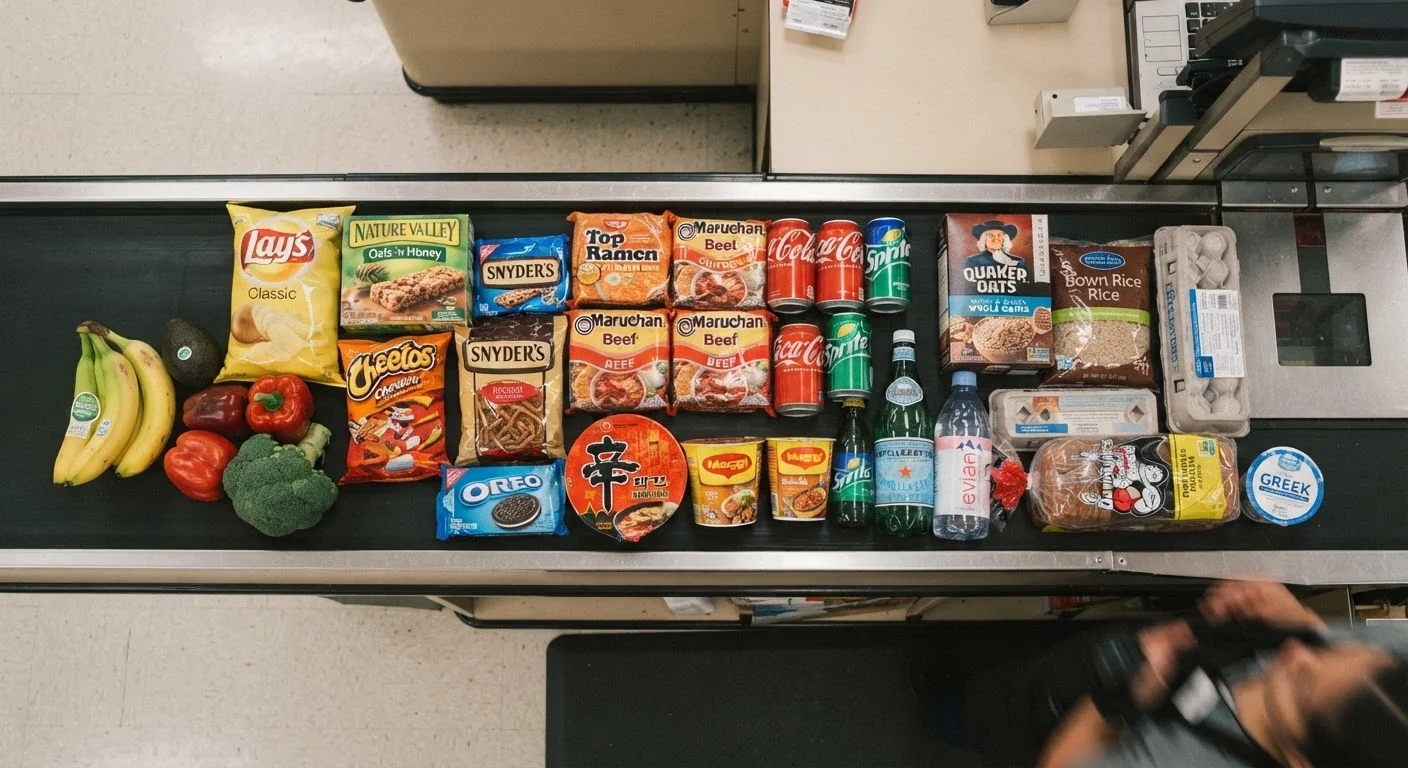
Photo: UnlockTopics.com | Unlocking Trending Content editorial
Key Takeaways
- Ultra-processed is a scientific classification, not just a synonym for 'junk food' or 'unhealthy'.
- The NOVA system defines ultra-processed foods by how they're made, not solely by their nutrient content.
- Many foods that appear healthy - like certain flavored yogurts or protein bars - qualify as ultra-processed under NOVA.
- Research links high ultra-processed food consumption to increased risks of several chronic conditions.
- Understanding the distinction helps consumers make more informed, nuanced choices at the grocery store.
The NOVA System: A Framework Built on Process, Not Nutrients
Most people assume 'ultra-processed' is just a more alarming way to say 'junk food.' In reality, it's a precise scientific term rooted in the NOVA classification system - a framework developed by researchers at the University of São Paulo that categorizes foods by the degree and purpose of industrial processing rather than by their nutrient profile.
NOVA divides foods into four groups:
- Group 1 - Unprocessed or minimally processed: Whole fruits, vegetables, plain meats, eggs, and legumes - foods altered only by removal of inedible parts, drying, chilling, or fermenting.
- Group 2 - Processed culinary ingredients: Oils, butter, flour, salt, and sugar - substances extracted from natural foods and used in home cooking.
- Group 3 - Processed foods: Products made by combining Group 1 and Group 2 items, such as canned fish in brine, simple cheeses, or cured meats. These involve preservation methods but remain recognizable as food.
- Group 4 - Ultra-processed foods: Industrial formulations built largely from substances derived from foods - or synthesized outright - plus additives that enhance palatability, texture, shelf life, or appearance. These include emulsifiers, artificial flavors, color stabilizers, modified starches, and humectants.
The critical insight is that NOVA focuses on the why of processing: ultra-processed products are engineered for high palatability, convenience, and long shelf life - not simply to preserve a whole ingredient. For a complementary look at how whole and processed foods compare nutritionally, see what the research shows about whole vs. processed foods.
57%
Share of calories from ultra-processed foods in average US diet
Research published in the journal BMJ Open estimated that ultra-processed foods account for approximately 57% of total caloric intake among U.S. adults.
10-12%
Associated cancer risk increase per 10% rise in UPF intake
A large French cohort study (NutriNet-Santé) found a statistically significant association between a 10% increase in ultra-processed food consumption and a roughly 12% higher overall cancer incidence.
4 groups
NOVA food classification categories
The NOVA system, developed at the University of São Paulo, organizes all foods into four groups based on degree and purpose of industrial processing.
Why the Distinction Matters Beyond Nutrition Labels
A standard nutrition label tells you calories, fat, sodium, and sugar - but it doesn't tell you whether a food was assembled in a factory using ingredient fractions and chemical additives rarely seen outside industrial settings. Two products can have nearly identical macronutrient profiles while sitting in completely different NOVA groups.
Consider plain full-fat yogurt (Group 1) versus a flavored, shelf-stable yogurt drink containing modified corn starch, carrageenan, and artificial sweetener (Group 4). The calorie difference may be modest, but the manufacturing process and additive load are worlds apart.
This gap matters because emerging research suggests that the additives and formulation methods characteristic of ultra-processed foods may affect health independently of nutrients. Studies have examined potential roles of emulsifiers in gut microbiome disruption and the effect of rapid-digestion formulations on satiety signaling - though scientists are careful to note these mechanisms are still under active investigation.
A Quick Kitchen-Ingredient Test
Understanding this distinction is also useful when navigating label claims. Terms like 'natural,' 'organic,' or 'made with real fruit' speak to ingredient sourcing - not manufacturing process. An organic protein bar with 15 listed additives remains ultra-processed under NOVA. For a practical guide to decoding what labels actually say, reading a nutrition label without getting confused is a useful starting point.
What the Evidence Actually Shows - and Its Limits
Multiple large-scale epidemiological studies have found associations between high ultra-processed food consumption and elevated risks of obesity, cardiovascular disease, type 2 diabetes, depression, and colorectal cancer. A frequently cited analysis published in The BMJ tracked over 100,000 French adults and found that a 10% increase in the proportion of ultra-processed foods in the diet was linked to a 12% higher risk of cancer overall.
These findings are consistent across populations in North America, Europe, and Latin America - which gives researchers more confidence in the pattern, even though observational studies cannot definitively establish causation. People who consume more ultra-processed foods also tend to have other lifestyle differences that researchers work to account for, but cannot fully eliminate.
The honest takeaway: the evidence is significant enough that major nutrition researchers and health organizations now treat ultra-processed food intake as a meaningful dietary risk factor - but it does not mean every ultra-processed item carries equal harm, or that eating one is dangerous. Context, overall dietary pattern, and individual health factors all matter.
This article is for general informational and educational purposes only and is not a substitute for professional medical or dietary advice. Consult a qualified healthcare provider or registered dietitian for guidance specific to your health situation.
Frequently Asked Questions
The content on this site is for informational purposes only and is not a substitute for professional advice. Always consult a qualified professional for guidance specific to your situation.