
Plant-Based Eating: What It Involves and Who It's Actually For

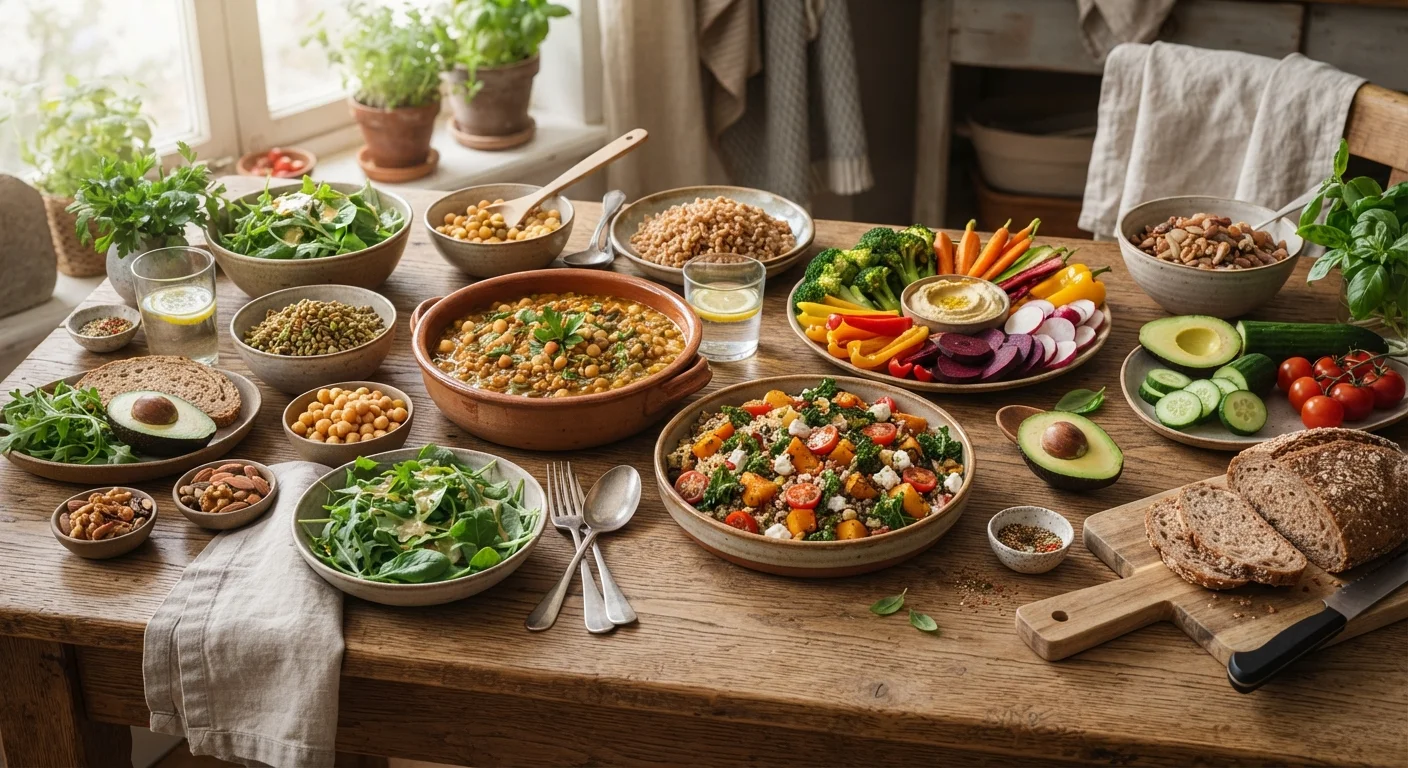
Photo: UnlockTopics.com | Unlocking Trending Content editorial
Key Takeaways
- Plant-based eating is a spectrum, not a single rigid diet - it ranges from flexitarian to fully vegan.
- Whole, minimally processed plant foods form the nutritional foundation; not all plant-based products are nutritionally equivalent.
- Certain nutrients - vitamin B12, iron, calcium, and omega-3s - require deliberate planning on plant-heavy diets.
- Plant-based eating is appropriate for most healthy adults, but special populations should consult a healthcare provider.
- Gradual shifts toward more plant foods tend to be more sustainable than abrupt, all-or-nothing transitions.
What 'Plant-Based' Actually Means
The term plant-based is used broadly and inconsistently - by food marketers, clinicians, and lifestyle writers alike. In nutritional practice, it generally refers to a dietary pattern where the majority of calories and nutrients come from plant foods: vegetables, fruits, legumes, whole grains, nuts, and seeds. It does not automatically mean vegan or vegetarian.
What distinguishes a plant-based approach is emphasis rather than absolute exclusion. The nutritional goal is to crowd the plate with foods that are associated with fiber, phytonutrients, and a lower environmental footprint - not to eliminate every animal product by definition. That distinction matters, because it makes the pattern more accessible and adaptable to different people and circumstances.
Phytonutrients
Naturally occurring compounds found in plants - such as flavonoids and carotenoids - that may support health. They are not vitamins or minerals but are associated with reduced inflammation and disease risk in research.
Whole-food plant-based (WFPB)
A specific style of plant-based eating that emphasizes minimally processed plant foods and limits refined oils, added sugars, and packaged products, even when they are technically vegan.
Heme vs. non-heme iron
Heme iron comes from animal sources and is more easily absorbed by the body. Non-heme iron comes from plants and is absorbed less efficiently, though pairing it with vitamin C can help improve uptake.
Essential amino acids
The nine amino acids the body cannot produce on its own and must get from food. Animal proteins contain all nine; most individual plant proteins do not, though a varied plant-based diet can provide all of them across the day.
ALA, EPA, and DHA
Three types of omega-3 fatty acids. ALA is found in plants like flaxseed and walnuts. EPA and DHA are found in fatty fish and algae, and are the forms most directly used by the body.
The Different Styles of Plant-Based Eating
Plant-based eating exists on a continuum. Understanding where different approaches fall helps readers find a realistic fit:
- Flexitarian: Primarily plant foods with occasional meat or fish. No strict rules - animal products are reduced, not eliminated.
- Pescatarian: Excludes meat but includes fish and seafood, often alongside dairy and eggs.
- Lacto-ovo vegetarian: Excludes meat and fish, but includes dairy products and eggs.
- Vegan: Excludes all animal-derived foods, including dairy, eggs, and honey.
- Whole-food plant-based (WFPB): A stricter vegan approach that also limits refined oils, added sugars, and processed plant foods. Often discussed in clinical research contexts.
For context on how these approaches compare structurally, building a balanced plate is a useful companion framework.
Key Nutritional Considerations
Plant-based diets can meet most nutritional needs - but a few nutrients require deliberate attention, particularly as animal food intake decreases:
- Vitamin B12
- Found reliably only in animal products. Anyone eating fully plant-based needs a consistent dietary source or supplement. This is not optional - B12 deficiency has serious neurological consequences over time.
- Iron
- Plant foods contain non-heme iron, which is less readily absorbed than heme iron from meat. Pairing iron-rich plants (lentils, spinach, tofu) with vitamin C-rich foods improves absorption.
- Calcium
- Dairy is a common calcium source, so those avoiding it should consistently include fortified plant milks, tofu made with calcium sulfate, or leafy greens such as bok choy and kale.
- Omega-3 fatty acids
- Fatty fish is a concentrated EPA and DHA source. Plant foods provide ALA (found in flaxseed and walnuts), which the body converts to EPA and DHA inefficiently. Algae-based omega-3 supplements offer a direct plant-derived alternative.
- Zinc and iodine
- Both can be lower in plant-heavy diets. Iodine in particular is often overlooked; iodized salt or seaweed can contribute, but amounts vary significantly.
Reading a nutrition label carefully can help you track these nutrients when evaluating packaged foods.
Pair Plant Iron Sources with Vitamin C
Who Benefits - and Who Should Be Cautious
Research consistently associates higher plant food intake with reduced risk of cardiovascular disease, type 2 diabetes, and certain cancers - though associations in observational studies don't prove causation, and overall dietary quality matters more than any single label. A plant-based diet is appropriate for most healthy adults when thoughtfully planned.
Certain groups need individualized guidance rather than general advice:
- Children and adolescents have higher relative needs for certain nutrients during growth phases. Parents considering plant-based eating for children should work with a pediatric dietitian.
- Pregnant and breastfeeding individuals have significantly increased demands for folate, iron, calcium, iodine, and B12. Consult an obstetrician or registered dietitian directly.
- Older adults may already absorb B12 less efficiently and face higher protein needs for muscle maintenance.
- People managing chronic conditions - including kidney disease, diabetes, or eating disorder recovery - should not make major dietary shifts without professional oversight.
Not All 'Plant-Based' Products Are Nutritious
For more on how protein sources differ between animal and plant options, this comparison of protein sources covers amino acid profiles and digestibility in practical terms.
How to Start Without Overhauling Everything
The evidence on dietary change consistently shows that gradual, sustainable shifts outperform abrupt overhauls. A few practical entry points for readers building toward a more plant-forward diet:
- Add before you subtract. Start by adding more vegetables, legumes, or whole grains to existing meals rather than immediately eliminating foods you enjoy.
- Identify two or three anchor meals. Find two or three plant-based meals that genuinely satisfy you - these become the foundation you build from.
- Read labels on plant-based products. Processed convenience products marketed as plant-based can be high in sodium and saturated fat. What the research shows about whole vs. processed foods is useful context here.
- Plan for protein deliberately. At each meal, identify where your protein is coming from. Legumes, tofu, tempeh, and edamame are versatile, affordable options.
- Don't go it alone if you have health conditions. A registered dietitian can help customize a plant-based approach to your specific health history and nutritional needs.
This article provides general nutrition information for educational purposes only. It is not a substitute for personalized medical or dietary advice. Always consult a qualified healthcare professional - such as a registered dietitian or your physician - before making significant changes to your diet, particularly if you have an existing health condition or are in a special life stage such as pregnancy.
Frequently Asked Questions
The content on this site is for informational purposes only and is not a substitute for professional advice. Always consult a qualified professional for guidance specific to your situation.