
Macronutrients Explained: What Carbs, Protein, and Fat Actually Do

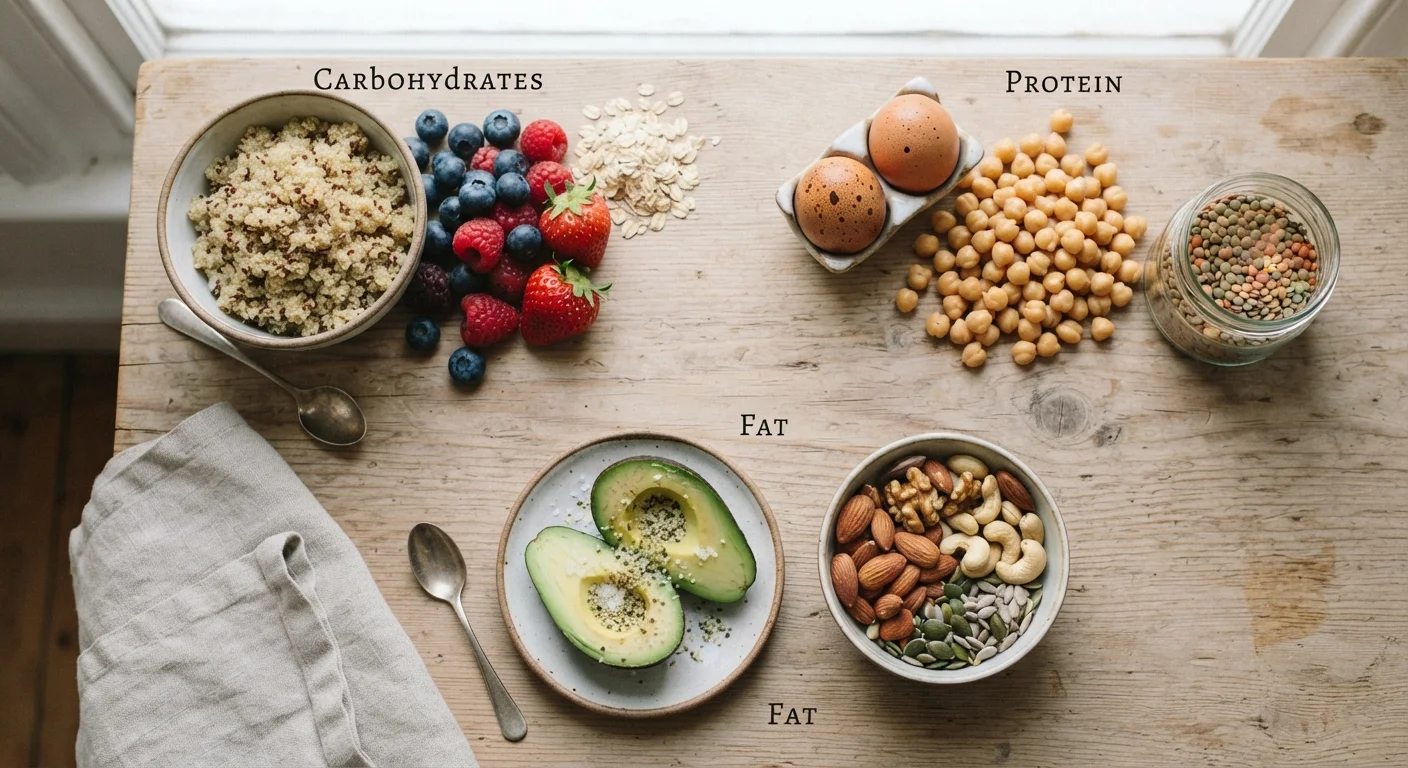
Photo: UnlockTopics.com | Unlocking Trending Content editorial
Key Takeaways
- Carbohydrates are the body's preferred and most efficient energy source.
- Protein supplies the amino acids needed for muscle repair, immune function, and enzyme production.
- Dietary fat is essential for hormone synthesis, brain health, and absorbing fat-soluble vitamins.
- No macronutrient is inherently harmful - quality and overall balance matter far more than elimination.
- Most people benefit from including all three macronutrients at each meal rather than avoiding any one category.
Carbohydrates: Your Body's Primary Fuel
Carbohydrates are the body's most readily available energy source. When you eat carbs - whether from oats, fruit, legumes, or bread - your digestive system breaks them down into glucose, which circulates in the bloodstream and powers cells throughout the body. The brain alone relies almost exclusively on glucose, consuming roughly 20% of your total daily energy supply.
Not all carbohydrates behave identically. Simple carbohydrates (sugars) are digested quickly and cause a rapid rise in blood glucose. Complex carbohydrates - found in whole grains, starchy vegetables, and legumes - break down more slowly, providing a steadier energy release. Fiber, a type of carbohydrate your body cannot fully digest, plays its own critical role in digestive health and satiety. Learn more in our dedicated piece on dietary fiber.
The evidence does not support eliminating carbohydrates entirely. Rather, the quality of carbohydrate sources - choosing whole, minimally processed options more often - is what research consistently ties to better health outcomes. For a deeper look at how food processing affects nutritional value, see what the research shows about whole vs. processed foods.
45-65%
Recommended share of daily calories from carbohydrates
According to the Dietary Guidelines for Americans, most adults are advised to obtain roughly half their daily calories from carbohydrate sources.
20-35%
Recommended share of daily calories from fat
The Institute of Medicine's Acceptable Macronutrient Distribution Range places fat intake in this window for healthy adults.
10-35%
Recommended share of daily calories from protein
The same Acceptable Macronutrient Distribution Ranges framework gives protein a wide band to accommodate varying activity levels and life stages.
Protein: Building Blocks for Repair and Function
Protein is made up of amino acids - often described as the structural components of nearly every tissue in the body. Muscle fibers, skin, hair, enzymes, and antibodies all depend on a continuous supply of amino acids. Of the 20 amino acids involved in human metabolism, nine are considered essential, meaning the body cannot synthesize them and they must come from food.
Complete protein sources - such as eggs, meat, poultry, fish, and dairy - provide all nine essential amino acids in adequate proportions. Plant-based sources like legumes, nuts, seeds, and grains can also meet protein needs when eaten across a varied diet. Combining different plant sources throughout the day (rather than at every single meal) generally provides a full amino acid profile.
Protein also plays a meaningful role in satiety. Research suggests higher-protein meals tend to promote fullness more effectively than equivalent-calorie meals dominated by carbohydrates or fat, which can support overall dietary adherence - though individual responses vary.
Distribute Protein Across the Day
Fat: Essential, Not the Enemy
Dietary fat has been unfairly vilified in popular culture for decades. In reality, fat is indispensable. It serves as the structural material for cell membranes, enables the production of steroid hormones (including estrogen and testosterone), and is required for absorbing fat-soluble vitamins A, D, E, and K. The brain is roughly 60% fat by dry weight, making adequate dietary fat a genuine neurological necessity.
The type of fat consumed matters considerably. Unsaturated fats - monounsaturated (olive oil, avocados) and polyunsaturated (fatty fish, walnuts, flaxseed) - are consistently associated with cardiovascular and inflammatory benefits in clinical research. The omega-3 fatty acids found in fatty fish are among the most studied nutrients in nutrition science, linked to reduced inflammation and improved lipid profiles.
Saturated fat, found in red meat, butter, and coconut oil, remains a subject of nuanced debate in the research literature; current guidance from major health bodies generally recommends moderating intake rather than eliminating it entirely. Industrially produced trans fats are a different matter - they have been associated with increased cardiovascular risk and have been largely phased out of the US food supply.
Why Balance Matters More Than Elimination
Popular diets frequently elevate one macronutrient and demonize another. Low-fat diets dominated the 1980s and 1990s; low-carbohydrate approaches have dominated since. Yet robust long-term evidence does not convincingly support one macronutrient ratio over another for most people. What the research does support is the importance of overall dietary pattern - specifically, eating predominantly whole or minimally processed foods across all three macronutrient categories.
Understanding how these nutrients appear on food packaging can help you make more informed choices. Our guide to reading a nutrition label walks through how to interpret macronutrient information accurately. And for nutrients that often go overlooked alongside macros, our micronutrient reference guide covers the key vitamins and minerals your diet also needs to deliver.
“The diet that works is one you can actually sustain. No macronutrient is inherently your enemy - context, quality, and overall pattern are what the evidence keeps pointing back to.”
— Christopher Gardner, Professor of Medicine and nutrition researcher at Stanford University
Hydration is another dimension of nutrition that interacts directly with how macronutrients are absorbed and metabolized. For more on that relationship, see how hydration connects to nutrition.
This article is for general informational and educational purposes only and is not a substitute for professional medical or dietary advice. Consult a qualified healthcare provider or registered dietitian before making significant changes to your diet, especially if you have an existing health condition.
Frequently Asked Questions
The content on this site is for informational purposes only and is not a substitute for professional advice. Always consult a qualified professional for guidance specific to your situation.